
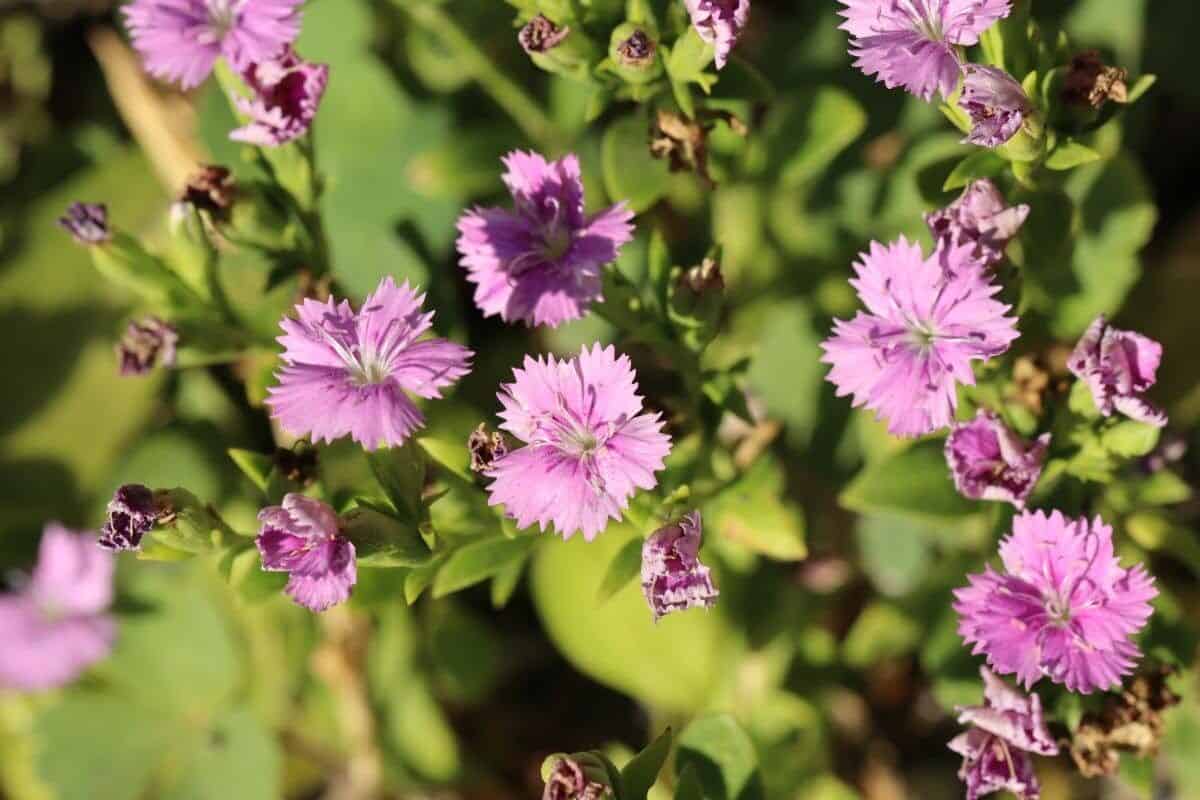
Multiplying the Charm: Easy Propagation Techniques for Dianthus japonicus
Dianthus japonicus, also known as the Japanese pink, is a captivating perennial with a delicate charm. Its grassy foliage and vibrant pink blooms, often adorned with fringed petals, can brighten any rock garden, border, or container. While relatively low-maintenance, you might wonder how to easily expand your Dianthus japonicus collection or share its beauty with friends. Thankfully, propagating these charming plants is achievable even for novice gardeners. Let’s explore the most effective methods!
1. Seed Starting: A Rewarding Journey from Tiny Seeds
Starting Dianthus japonicus from seeds offers a satisfying experience and allows you to witness their full life cycle. Here’s how to do it:
- Timing is Everything: Sow seeds indoors 6-8 weeks before the last expected frost.
- Sowing the Seeds: Use a well-draining seed starting mix and lightly sprinkle the seeds on the surface. Gently press them down but avoid burying them deep; they need light to germinate.
- Patience is Key: Keep the soil consistently moist and provide warmth (around 70°F/21°C). Germination can be slow, taking 2-4 weeks.
- Towards the Sunlight: Once seedlings emerge, provide ample light, ideally using grow lights or a sunny windowsill.
- Harden Off Before Planting: Gradually acclimatize the seedlings to outdoor conditions for a week or two before transplanting them to their permanent location in your garden.
2. Cuttings: Cloning Your Favorite Dianthus
Taking cuttings is a relatively quick and straightforward method to create identical replicas of your existing plants. Here’s what you need to do:
- Choose the Right Time: Early spring or late summer are ideal times for taking cuttings.
- Select Healthy Stems: Look for non-flowering stems about 3-4 inches (7-10 cm) long.
- Make the Cut: Using a sharp, sterilized knife or pruning shears, make a clean cut just below a leaf node.
- Prepare the Cutting: Remove the lower leaves from the stem, leaving 2-3 pairs at the top. Dipping the cut end in rooting hormone powder can increase success rates.
- Planting the Cutting: Plant the prepared cutting in a pot filled with a well-draining potting mix. Keep the soil consistently moist.
- Encouraging Root Development: Cover the pot with a clear plastic bag or use a humidity dome to create a warm, humid environment that promotes rooting.
- Transplanting Time: Once the cuttings have developed a good root system (usually in 4-6 weeks), they can be transplanted into individual pots or directly into the garden.
3. Division: Giving Established Plants a New Lease on Life
For established Dianthus japonicus plants, division is an excellent way to rejuvenate them and create new plants simultaneously. This method is best done in early spring or late summer.
- Digging Up the Plant: Carefully lift the entire plant from the ground using a garden fork.
- Dividing the Clump: Gently tease apart the clump into smaller sections, ensuring each division has a good amount of roots and shoots.
- Replanting: Plant the divisions at the same depth they were originally growing and water them well.
Dianthus japonicus: A Joy to Propagate and Admire
Propagating Dianthus japonicus is a rewarding experience that allows you to multiply the beauty of these charming plants in your garden. Whether you choose to start them from seeds, take cuttings, or divide existing clumps, these methods are relatively straightforward and offer a high success rate. With a little patience and care, you’ll be rewarded with an abundance of these captivating blooms, adding splashes of vibrant pink and delicate fragrance to your outdoor space.