
Multiply the Miniature Charm: Propagating the Delightful Dianthus laricifolius
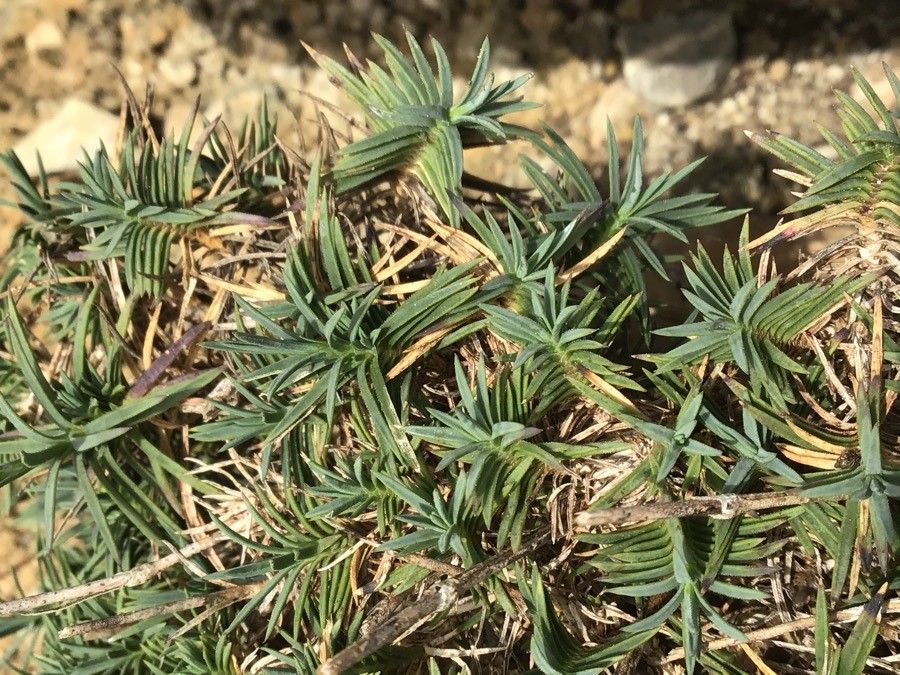
Dianthus laricifolius, with its charming pink blooms bursting forth from a bed of needle-like foliage, brings a touch of alpine magic to any garden. While relatively easy to care for, knowing how to propagate this delightful plant allows you to expand your miniature mountain scene or share its delicate beauty with friends.
Two Paths to Propagation: Seeds and Cuttings
Dianthus laricifolius can be propagated through two main methods: seeds and cuttings.
1. Starting from Seed: A Rewarding Journey
Sowing seeds offers a rewarding journey from tiny specks to thriving plants. Here’s what you need to know:
- Timing is Key: Sow Dianthus laricifolius seeds indoors in late winter or early spring, 6-8 weeks before the last frost.
- Sowing the Seeds: Use a seed starting mix, sprinkle seeds on the surface, and lightly press them in. Don’t bury them deeply; they need light to germinate.
- Providing the Right Environment: Keep the soil consistently moist and ensure temperatures between 65-75°F (18-24°C). A seedling heat mat can be helpful.
- Exercising Patience: Germination usually takes 2-3 weeks. Once seedlings have a few sets of true leaves, thin them out to give the strongest ones space to grow.
- Hardening Off: Before transplanting outdoors, gradually acclimate your seedlings to outdoor conditions for one to two weeks.
- Transplanting: When all danger of frost has passed, choose a sunny location with well-drained soil for your Dianthus laricifolius.
2. Propagating from Cuttings: Cloning Your Favorite Clumps
Taking cuttings allows you to create exact replicas of your existing plants, preserving their unique characteristics. Follow these steps:
- Choosing the Right Time: Take cuttings in late spring or early summer from healthy, non-flowering stems.
- Making the Cut: Using clean, sharp shears, cut a 3-4 inch section of stem just below a leaf node.
- Preparing the Cutting: Remove the lower leaves, leaving 2-3 pairs at the top. Dip the cut end in rooting hormone (optional, but recommended).
- Planting the Cutting: Insert the treated end into a pot filled with a well-draining potting mix.
- Creating a Humid Environment: Cover the pot with a plastic bag or humidity dome to retain moisture.
- Encouraging Root Development: Place the cutting in a bright location out of direct sunlight. Keep the soil consistently moist but not waterlogged.
- Checking for Roots: In a few weeks, gently tug on the cutting to check for resistance. Resistance indicates root development.
- Transplanting: Once rooted, carefully transplant the new Dianthus laricifolius to individual pots or your desired outdoor location.
Tips for Success:
- Regardless of your chosen propagation method, Dianthus laricifolius prefers well-drained soil and full sun to partial shade.
- Water regularly, especially during dry periods, but avoid overwatering as it can lead to root rot.
- Deadhead spent blooms regularly to encourage more flowering and maintain a tidy appearance.
Propagating Dianthus laricifolius: A Rewarding Experience
Whether you choose to start from seed and witness the miracle of germination or take cuttings and duplicate your favorite specimens, propagating Dianthus laricifolius is a rewarding experience. With a little patience and care, you’ll be able to cultivate a vibrant display of these charming alpine blooms for years to come.