
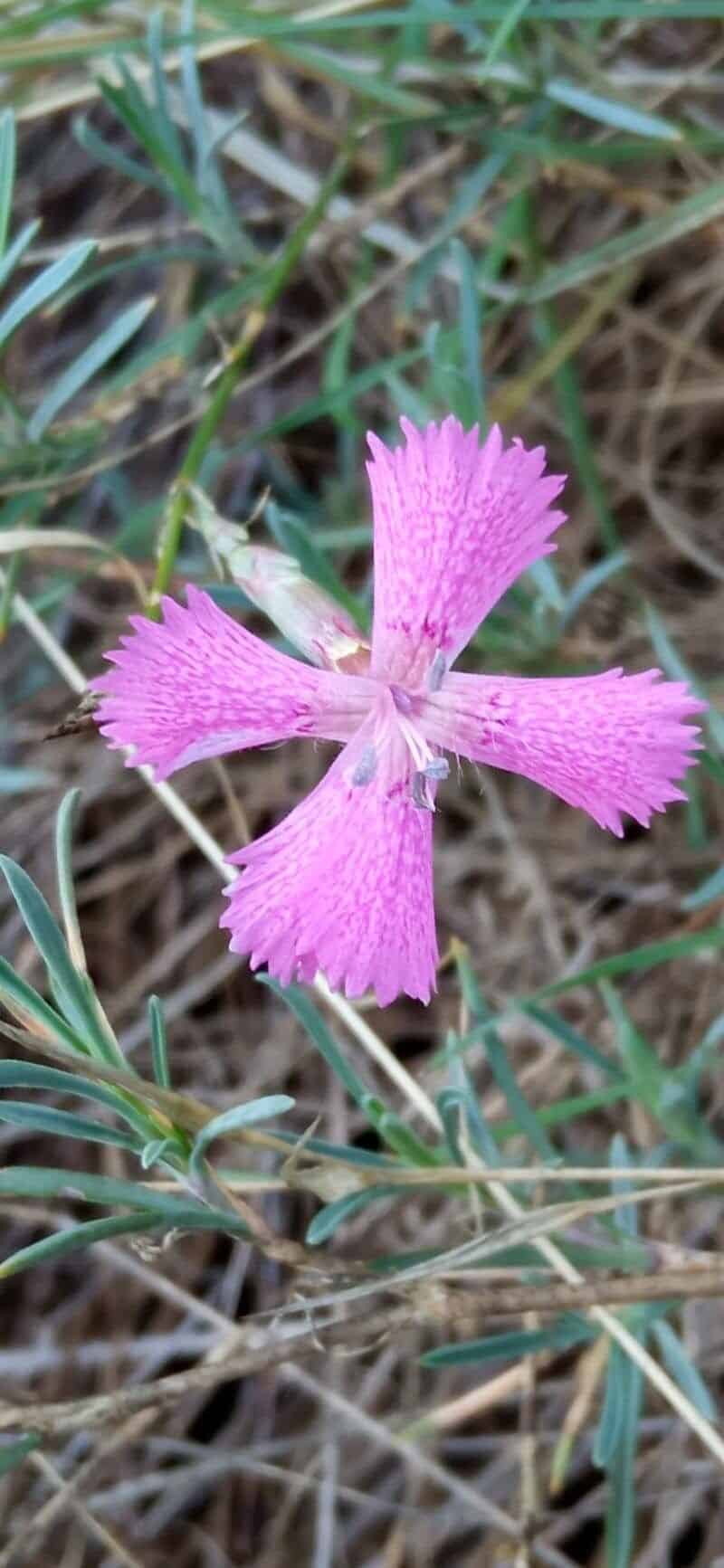
Luscious Lusitanus: Multiplying the Charm of Your Portuguese Pink
Dianthus lusitanus, also known as the Portuguese pink, is a captivating flower with its vibrant pink blooms and delicate, grassy foliage. If you, like many others, have fallen head over heels for this charming evergreen, you’re probably wondering how to invite more of its beauty into your garden. The good news is, propagating Dianthus lusitanus is relatively simple, even for beginners! Let’s dive into the two most effective methods:
1. Seed Starting: From Tiny Specks to Blooming Wonders
Starting Dianthus lusitanus from seed is an incredibly rewarding experience, offering the satisfaction of nurturing a plant from its very beginning. Here’s a step-by-step guide:
- Timing is Key: The ideal time to sow is late winter or early spring. This allows the seedlings sufficient time to establish themselves before the summer heat arrives.
- Sowing the Seeds: Use a seed starting mix that’s light and well-draining. Sprinkle the seeds on the surface and lightly press them down, ensuring they have good contact with the soil. Don’t bury them deep!
- Light and Warmth: Dianthus lusitanus seeds require light to germinate. Place your seed trays in a bright location, but avoid direct sunlight which can be too intense. Maintaining a consistent temperature of around 65-70°F (18-21°C) is crucial for successful germination.
- Moisture is a Must: Keep the soil consistently moist but not waterlogged. A spray bottle can be helpful to gently mist the surface.
- Transplant Time: Once the seedlings develop a couple of sets of true leaves and are large enough to handle, transplant them into individual pots or your garden bed.
2. Cuttings: Cloning Your Way to More Blooms
Taking cuttings is another fantastic way to propagate Dianthus lusitanus, and it’s especially useful if you want to create an exact replica of an existing plant. Here’s how:
- The Right Cut: Choose healthy, non-flowering stems for your cuttings. Using clean, sharp scissors or pruning shears, make a diagonal cut about 3-4 inches long, just below a leaf node.
- Prepare the Cutting: Remove the lower leaves, leaving only a few at the top. You can also dip the cut end in rooting hormone powder (optional, but it can speed up the process).
- Potting Up: Plant the cutting in a pot filled with a well-draining potting mix, burying the lower nodes.
- Creating a Humid Environment: To encourage rooting, you can create a mini-greenhouse by covering the pot with a clear plastic bag or using a humidity dome. This helps retain moisture and promotes root development.
- Patience is Key: It will take several weeks for the cuttings to develop roots. Once you see new growth, it’s a good indication that the cutting has successfully rooted. You can then gradually acclimatize it to outdoor conditions before transplanting it to its final location.
Caring for Your New Dianthus Lusitanus
Whether you choose seed starting or cuttings, your new Dianthus lusitanus plants will thrive with proper care:
- Sunlight is Essential: These beauties adore sunshine! Provide at least 6 hours of direct sunlight daily for abundant blooms.
- Well-Drained Soil: Dianthus lusitanus prefers well-drained soil. Amend heavy clay soils with compost or grit to improve drainage.
- Watering Wisely: Water deeply but infrequently, allowing the soil to dry out slightly between waterings. Avoid overwatering, as it can lead to root rot.
- Deadheading for Continuous Blooms: Regularly remove spent blooms to encourage more flower production and keep your plants looking their best.
With a little bit of care and attention, you can easily multiply your Dianthus lusitanus collection, filling your garden with an enchanting display of these delightful pink blossoms. Happy propagating!