
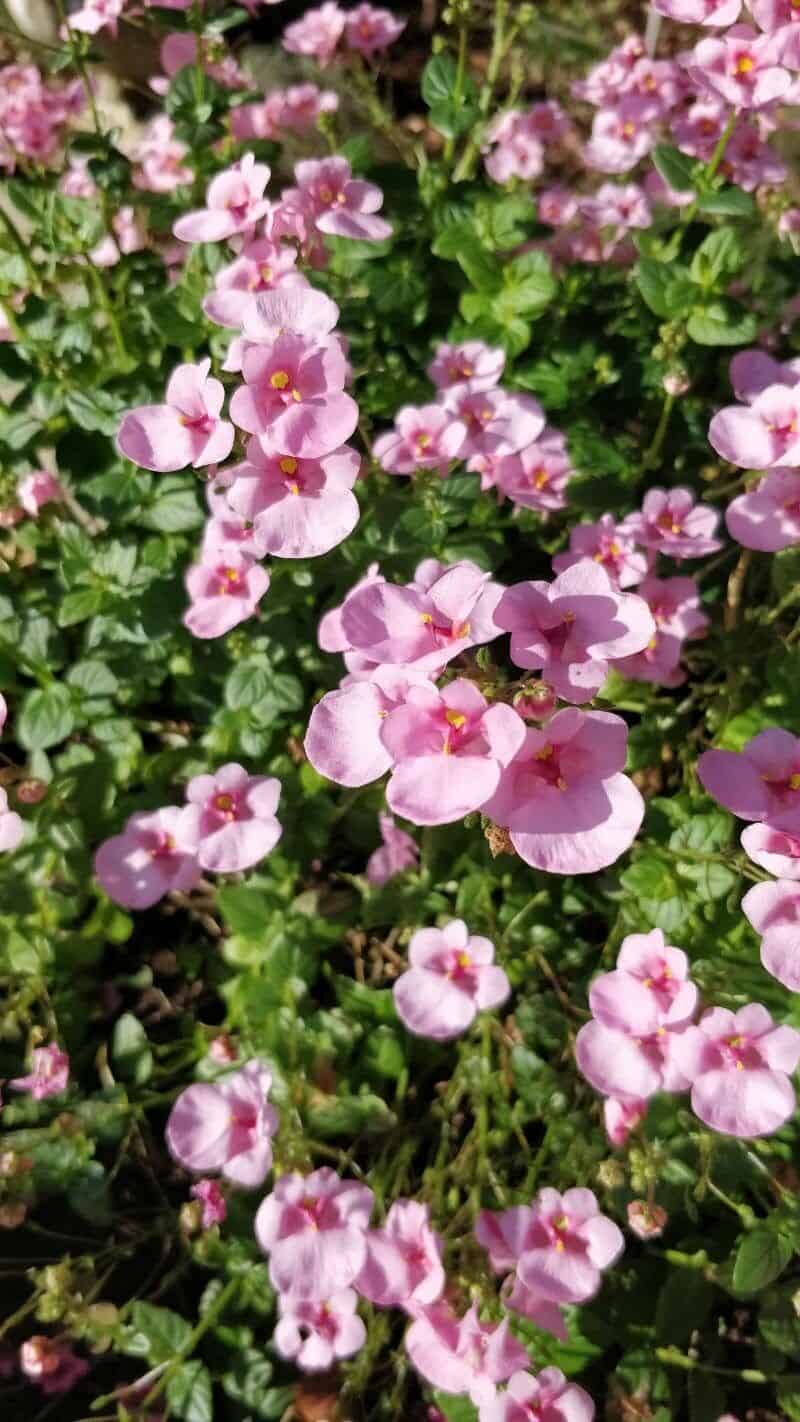
Double Your Diascia Delight: The Simple Guide to Propagating Twinspur
Diascia integerrima, more affectionately known as Twinspur, is a gardener’s dream. With its cascading waterfalls of delicate, vibrant blooms, it’s a showstopper in any setting. But why buy more plants when you can easily multiply your own? This guide delves into the rewarding world of Diascia propagation, giving you the know-how to create a flourishing Twinspur haven.
Two Roads to Twinspur: Seed vs. Cuttings
While Diascia integerrima can be grown from seed, propagating from cuttings offers a faster route to flowering plants that are genetically identical to the parent. Let’s explore both methods:
1. Starting from Seed:
- When to Sow: Sow seeds indoors 6-8 weeks before the last expected frost.
- Sowing Depth: Sprinkle seeds on the surface of a well-draining seed starting mix and lightly press them in – light is essential for germination.
- Germination Conditions: Maintain a temperature of around 70°F (21°C) and keep the soil consistently moist.
- Transplanting: Once seedlings have developed several sets of true leaves, harden them off gradually before transplanting them outdoors after the last frost.
2. Propagating from Cuttings:
- Timing is Key: Spring and early fall offer the ideal conditions for successful cuttings.
- Selecting Cuttings: Choose healthy, non-flowering stems about 3-4 inches long. Make a clean cut just below a leaf node.
- Preparing the Cuttings: Remove the lower leaves, leaving 2-3 pairs at the top. Dip the cut end in rooting hormone (optional, but recommended).
- Planting and Care: Plant the cuttings in a well-draining mix, burying the bottom node. Keep the medium consistently moist and provide bright, indirect light.
- Rooting Success: You’ll know your cutting has taken root when new growth emerges, usually within a few weeks.
Caring for Your Diascia Progeny
Whether you’ve chosen the seed or cutting route, your new Diascia plants will thrive with the following care:
- Sun Worshippers: Choose a location with at least 6 hours of sunlight per day.
- Well-Drained Soil is Crucial: Diascia detest soggy feet, so ensure excellent drainage.
- Water Wisely: Allow the soil to dry slightly between waterings. Overwatering can lead to root rot.
- Feeding for Flowers: Fertilize regularly during the growing season with a balanced, water-soluble fertilizer.
- Deadheading for Continuous Blooms: Regularly remove spent flowers to encourage more buds and extend the blooming period.
Enjoying the Fruits of Your Labor
Propagating your own Diascia integerrima is not just cost-effective, it’s incredibly rewarding. Witnessing new life spring from a seed or a cutting is a truly fulfilling experience. Soon, you’ll have an abundance of these charming plants to brighten up your garden, containers, and hanging baskets, creating a breathtaking cascade of color that will be the envy of the neighborhood. And the best part? You can proudly proclaim, "I grew these myself!"