
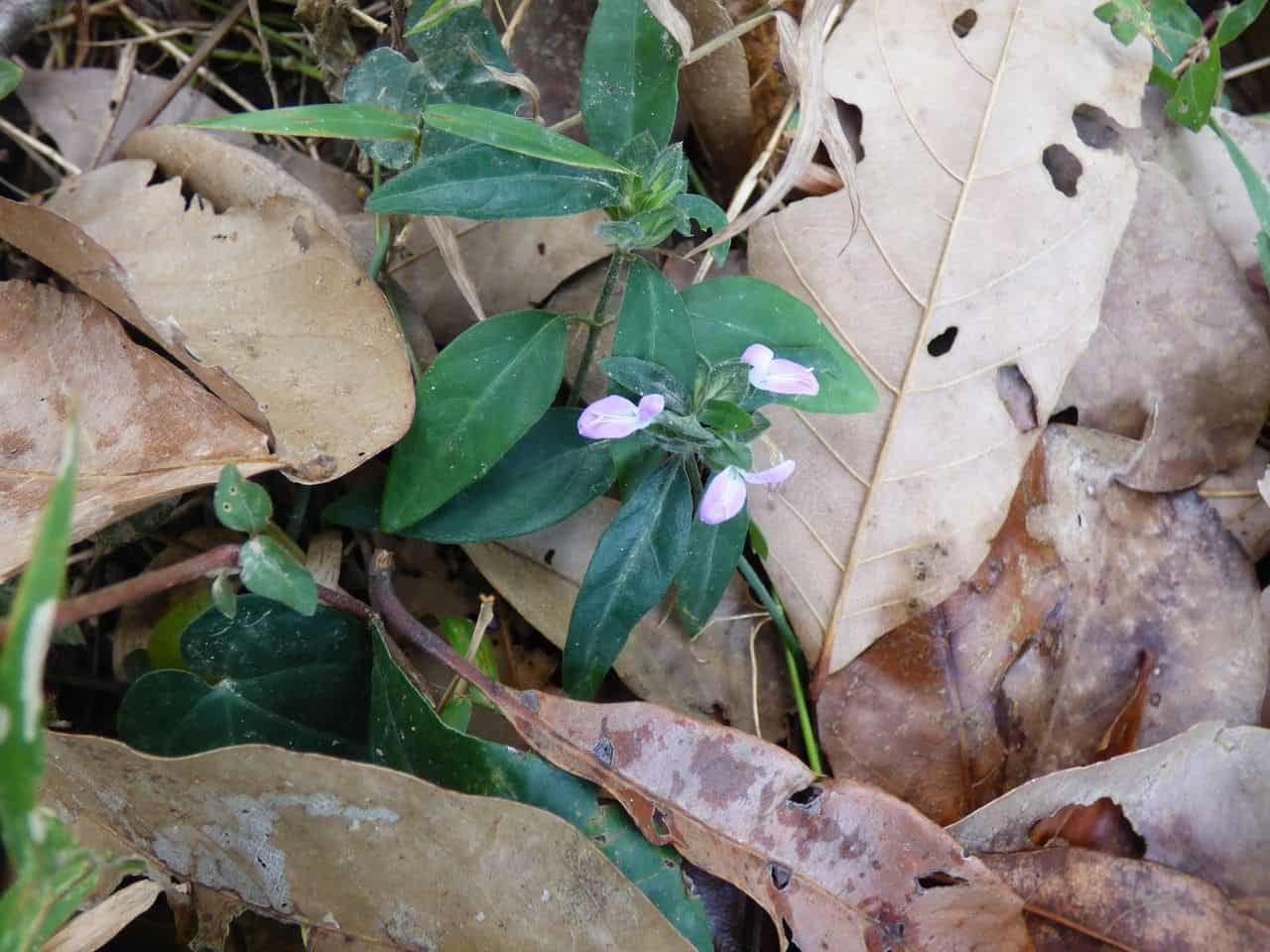
Multiply Your Chinese Violet Delight: Propagating Dicliptera chinensis
The Dicliptera chinensis, affectionately known as the Chinese violet or hummingbird plant, is a delightful addition to any garden. This vibrant perennial boasts showy purple blooms that attract hummingbirds and butterflies alike. But did you know that sharing this beauty with friends is easier than you think? Propagating Dicliptera chinensis is a rewarding experience that even beginner gardeners can master!
Two Paths to Proliferation: Cuttings vs. Seeds
While you can propagate Chinese violet from seeds, using cuttings is a far more popular and reliable method. So, let’s delve into both:
1. Cuttings: The Faster Route to Floral Glory
- When to Take Cuttings: Spring and early summer offer ideal conditions for taking cuttings. This timing coincides with the plant’s active growth phase, ensuring quicker rooting.
- Perfecting the Cut: Using clean, sharp pruning shears, snip off a healthy stem about 3-4 inches long. Select a stem segment with at least two sets of leaves.
- Preparing for Propagation: Remove the lower set of leaves to create a bare stem for rooting. You can dip the cut end in rooting hormone (optional but helpful) to encourage faster root development.
- Planting the Cutting: Plant the cutting in a well-draining potting mix. You can also opt for a soilless medium, like perlite or vermiculite.
- Creating a Humid Haven: Cover the pot with a clear plastic bag or use a humidity dome to create a greenhouse-like environment. This step is crucial for maintaining moisture and encouraging root growth.
- Patience is Key: Place the pot in a warm, bright location but avoid direct sunlight. The cutting should root within 4-6 weeks. You’ll know it’s successful when you see new growth.
2. Seeds: Sowing for Satisfaction
- Collecting Seeds: After the blooms fade, Dicliptera chinensis produces small seed capsules. Collect these capsules once they turn brown and dry.
- Prepping for Planting: Gently break open the capsules and extract the tiny seeds inside.
- Sowing the Seeds: Scatter the seeds over the surface of a seed-starting mix and lightly press them in. Don’t bury them too deep, as light encourages germination.
- Creating a Mini Greenhouse: Cover the tray with plastic wrap or use a humidity dome to retain moisture and warmth.
- Light and Warmth: Place the tray in a bright location, but avoid direct sunlight. Germination typically occurs within 2-3 weeks.
Post-Propagation Care: Nurturing Your New Plants
Once your cuttings have rooted or seedlings have developed a few sets of true leaves, it’s time to transplant them into individual pots. Use a well-draining potting mix and gradually acclimate them to outdoor conditions if you plan to move them to your garden.
Enjoying Your Bountiful Blooms
With a little patience and care, you’ll soon have multiple Chinese violet plants to brighten your garden or share with friends. Whether you choose to propagate through cuttings or seeds, remember to enjoy the process and the beauty of these delightful plants.