
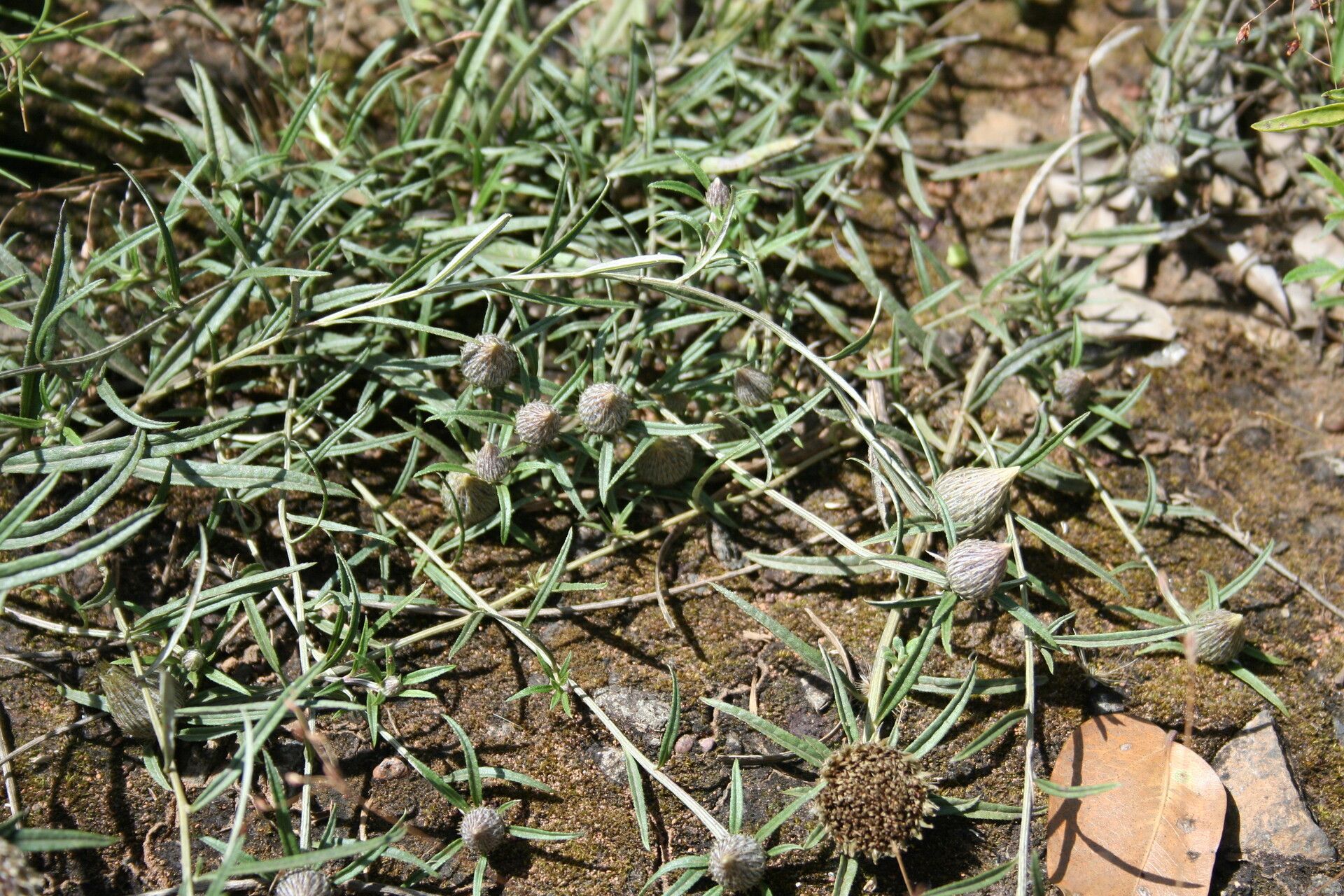
Propagating Dicoma anomala: A Gardener’s Guide to the “Woollyheads”
Dicoma anomala, commonly known as Woollyheads, is a captivating South African shrub boasting distinctive, fluffy flower heads that range in color from creamy white to pale yellow. Its drought-tolerant nature and unique aesthetic make it a popular choice amongst gardeners seeking low-maintenance yet visually striking additions to their landscapes. However, its propagation presents unique challenges and rewards, making its cultivation a rewarding experience for the dedicated plant enthusiast.
Seed Germination:
Currently, there are no known reliable methods for seed germination propagation of Dicoma anomala. While seeds may be produced, their viability and germination rate appear exceptionally low, making this method impractical for most gardeners. Further research is needed to determine optimal germination conditions, if any exist.
Cuttings:
Cuttings offer a more promising approach to propagating Dicoma anomala.
Challenges: The success rate can be variable depending on factors such as the timing of the cutting, the type of cutting (softwood vs. hardwood), and the rooting medium. The plant’s somewhat woody stems can be challenging to root.
Practical Tips: Softwood cuttings taken in spring or semi-hardwood cuttings in late summer are generally recommended. Use a sharp, clean blade to take cuttings approximately 10-15cm long, removing lower leaves to prevent rotting. Apply a rooting hormone to the cut end. Plant the cuttings in a well-draining, sterile medium such as a mix of perlite and vermiculite, maintaining consistently moist (but not soggy) conditions. High humidity (e.g., using a propagator or covering with a plastic bag) can significantly improve success.
Rewards: Cuttings offer a relatively quick and efficient way to generate genetically identical plants, preserving desirable traits. It also allows for the propagation of specific plants with unique characteristics.
Division:
Dicoma anomala, due to its generally shrubby form, can be propagated through division, though it is not the easiest method.
Challenges: The success of division largely depends on the size and health of the parent plant. Care must be taken not to damage the root system during the process. Established plants are generally better candidates for division than younger ones.
Practical Tips: The best time to divide Dicoma anomala is during the dormant season or early spring. Dig up the entire plant carefully, ensuring that you retain as much of the root system intact as possible. Divide the root ball into sections, making sure each section has several healthy stems and roots. Replant the divisions immediately in suitable soil and water thoroughly.
Rewards: Division allows for the rapid increase in the number of plants, particularly useful for larger-scale propagation.
Tissue Culture:
Tissue culture offers the potential for large-scale propagation, rapid multiplication, and the elimination of diseases. However, the requirements for specialized equipment, sterile techniques, and expertise make this method inaccessible to most home gardeners.
Challenges: Establishing aseptic conditions, selecting appropriate media and growth regulators, and maintaining contamination-free cultures require considerable skill and resources.
Practical Tips: This method is best left to specialized nurseries or research institutions with the necessary infrastructure and expertise.
Rewards: The potential for very large-scale multiplication of genetically uniform plants from a small starting sample. It is highly valuable for preserving rare or endangered genotypes.
Conclusion:
Propagating Dicoma anomala presents challenges across all methods explored. While seed propagation is currently unreliable, cuttings offer a reasonably accessible approach for home gardeners, though success requires patience and attention to detail. Division provides a viable option for established plants, and tissue culture holds the potential for mass propagation but demands specialized knowledge and resources. The unique satisfaction of successfully cultivating this beautiful shrub, however, makes the effort worthwhile. The rewards – be it the successful rooting of a cutting, the flourishing of a divided section, or the sight of its unique woolly flower heads – are significant. For aspiring propagators, remember patience and meticulous attention to detail are key to success with this delightful South African native.