
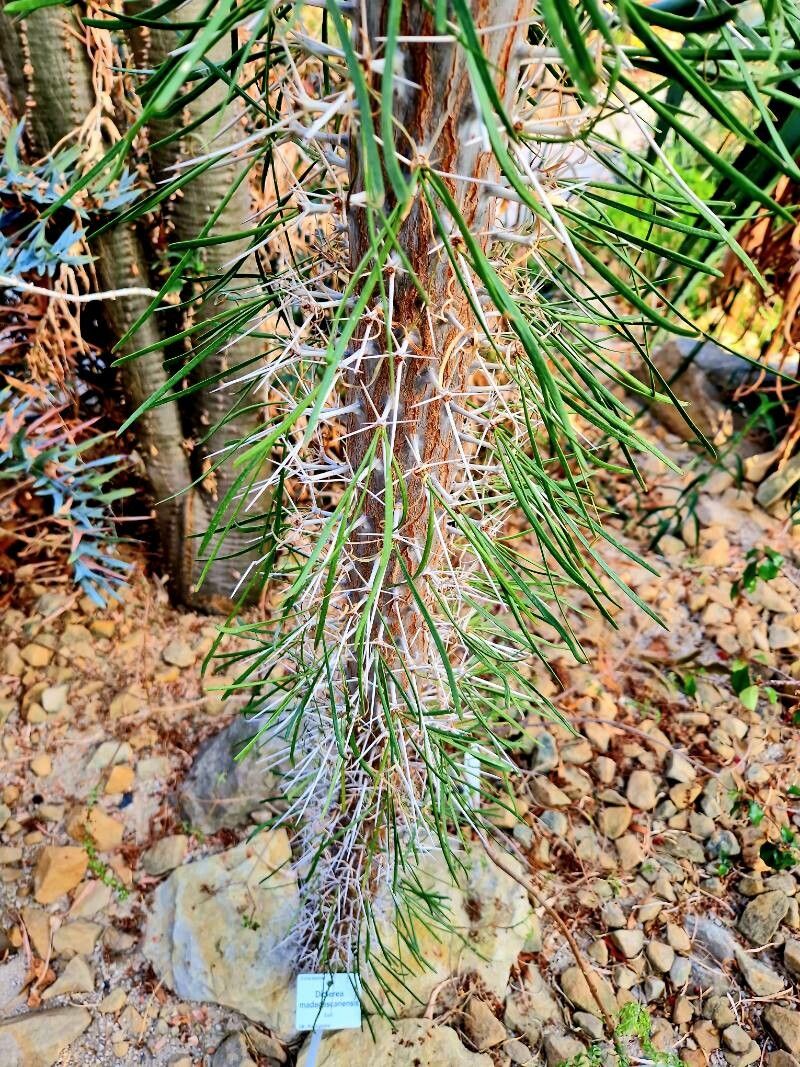
Taming the Madagascar Spiny Thicket: Propagating the Unique Didierea madagascariensis
The island of Madagascar is a botanical wonderland, home to countless unique and fascinating plants. Among these, the Didierea madagascariensis, often simply called “Octopus Tree,” stands out with its bizarre, spiny beauty. Imagine a tree seemingly designed by Dr. Seuss, its thick, water-storing trunk adorned with clusters of long, spiny branches, each tipped with a rosette of leaves. Intrigued? If you’re up for a challenge, you might be able to cultivate this intriguing species yourself. Let’s explore the world of Didierea madagascariensis propagation.
Seeds vs. Cuttings: A Difficult Choice
Propagating Didierea madagascariensis is not for the faint of heart. Both seed and cutting methods present their own sets of challenges, requiring patience and a touch of green thumb magic.
Seeds: A Test of Patience
- Source: Sourcing seeds can be the first hurdle. Look for reputable online vendors specializing in exotic seeds or connect with botanical gardens that may offer seeds from their collections.
- Sowing: Patience is key. Surface sow the seeds in a well-draining, sandy mix, mist lightly, and enclose the pot in a humidity dome or plastic bag. Place it in a brightly lit area, out of direct sunlight.
- Germination: Germination can be erratic, taking anywhere from a few weeks to several months. Maintain consistent moisture and warmth (around 75-80°F) during this waiting game.
- Challenges: Low germination rates and potential damping-off (a fungal disease) are common challenges. Using sterilized potting mix and ensuring adequate air circulation can help.
Cuttings: A Gamble Worth Taking
- Timing: Spring or early summer, when the plant is actively growing, is the ideal time to take cuttings.
- Technique: Select healthy, semi-mature stems and make a clean cut using a sterilized sharp knife or pruning shears. Allow the cut end to callus for a few days before planting.
- Planting: Dip the calloused end in rooting hormone and plant the cutting in a well-draining mix, burying a couple of leaf nodes.
- Care: Provide bright, indirect light and maintain a humid environment by misting regularly or using a humidity dome.
- Challenges: Cuttings can be slow to root, and success is not guaranteed.
Creating the Right Environment: A Madagascar Mimicry
Regardless of your propagation method, replicating Didierea madagascariensis‘s native habitat is crucial for success:
- Sunlight: These sun-loving plants thrive in bright, direct light. A south-facing window or a grow light setup are ideal.
- Water: Water sparingly, allowing the soil to dry out completely between waterings. Didierea madagascariensis are adapted to arid conditions and prone to root rot in overly moist soil.
- Soil: A well-draining, sandy or gritty mix is crucial to prevent waterlogging. A cactus and succulent potting mix amended with perlite or pumice works well.
- Temperature: Being tropical plants, they prefer warm temperatures between 70-85°F. Protect them from frost and cold drafts.
A Labor of Love, Rewarded
Propagating Didierea madagascariensis is a challenging but rewarding endeavor. While success isn’t guaranteed, seeing this peculiar, captivating plant thrive under your care is a testament to your dedication and a source of pride for any plant enthusiast. So, summon your inner botanical adventurer and embrace the challenge of cultivating the captivating Octopus Tree!