
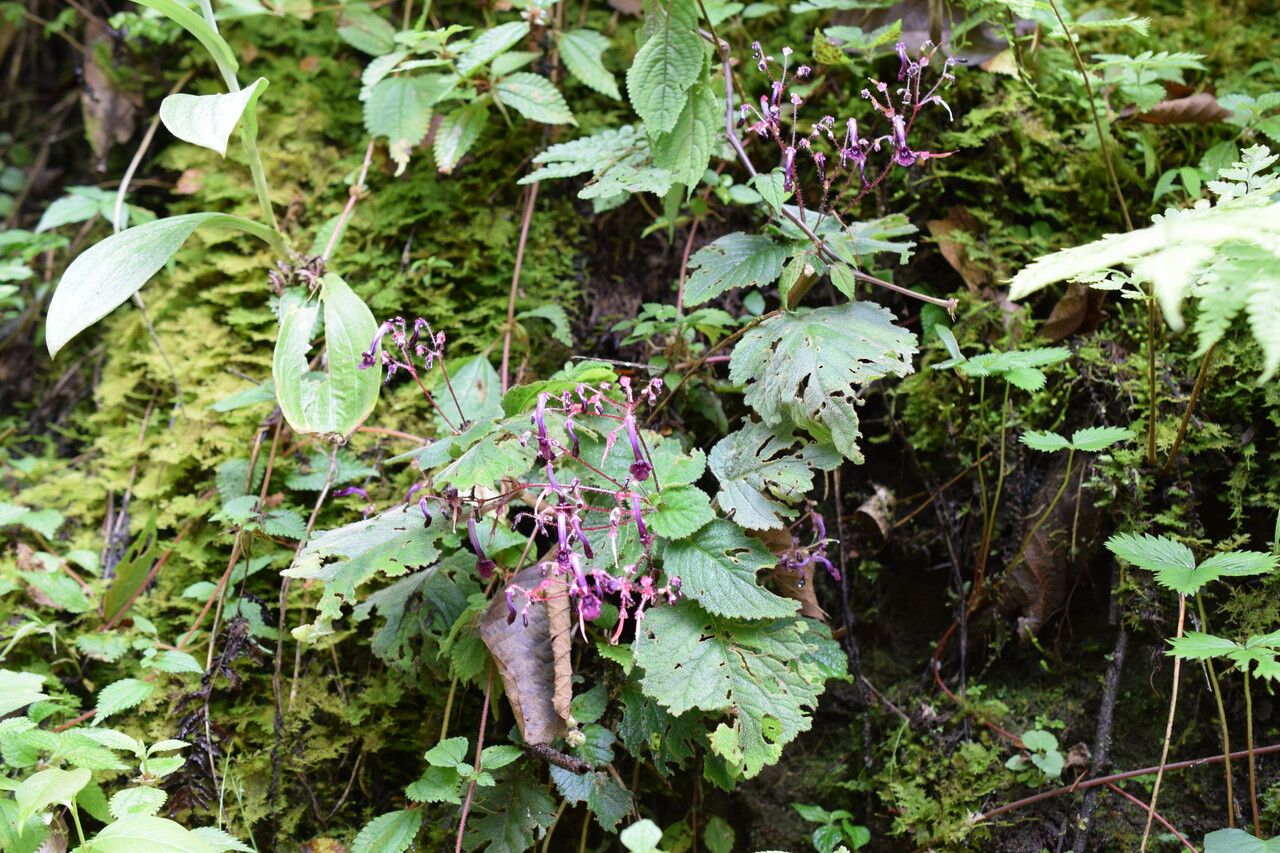
Unlocking the Secrets of Didymocarpus albicalyx Propagation: From Start to Bloom
The enchanting Didymocarpus albicalyx, with its delicate, white, bell-shaped flowers and velvety green leaves, is a true treasure for any plant enthusiast. But acquiring new plants can be costly, and the joy of nurturing a new life from a cutting or seed is a rewarding experience.
So, how do you unlock the secrets of Didymocarpus albicalyx propagation? Let’s delve into the two primary methods:
1. Seed Propagation: A Journey of Patience and Precision
Starting from seed can be a bit more demanding, but it offers the thrill of witnessing the plant’s complete life cycle. Here’s how to do it:
- Harvesting the Seeds: Once the flowers fade, small capsules appear containing tiny, dust-like seeds. These are best collected just before they fully ripen, as they can easily disperse themselves.
- Sowing the Seeds: A sterile seed-starting mix provides a perfect environment. Sow the seeds thinly and lightly cover them with the mix. Avoid compacting the soil, as the seeds need good air circulation.
- Creating the Right Environment: Maintain high humidity levels by covering the seed tray with a plastic dome or placing it in a propagator. Ensure a warm, bright, but indirect, light source.
- Patience is Key: Germination can take several weeks, so be patient and keep the mix consistently moist. Once true leaves appear, carefully transplant the seedlings to individual pots.
2. Leaf Cuttings: A Faster and More Accessible Option
For a quicker and easier propagation method, leaf cuttings are a reliable choice. Here’s how you can do it:
- Selecting the Cuttings: Take healthy, mature leaves from the plant. You can choose a whole leaf or cut it into smaller pieces, ensuring each section has a vein running through it.
- Preparing the Cuttings: Dip the cut ends of the leaves into a rooting hormone powder or gel. This speeds up root development and increases success rates.
- Creating a Humid Environment: Place the cuttings in a well-draining, moist potting mix. Cover the container with a clear plastic dome or bag to maintain high humidity.
- Providing the Right Conditions: Ensure bright, indirect light and consistent moisture. Keep the temperature around 70-75°F. Newly formed roots are typically visible within a few weeks.
Important Considerations:
- Sterility: Maintain sterile conditions throughout the propagation process to avoid fungal infections.
- Watering: Ensure the soil is kept consistently moist but not waterlogged.
- Humidity: Didymocarpus albicalyx thrives in high humidity. A propagator or a plastic dome creates a suitable environment.
- Light: Bright, indirect light is crucial for healthy growth. Avoid direct sunlight, which can burn the leaves.
Tips for Success:
- Use a clean, sharp knife or scissors when cutting the leaves to prevent damage.
- Avoid overwatering, which can lead to root rot.
- Regularly check for signs of pests and diseases and treat promptly.
Whether you choose the seed or leaf cutting method, successful Didymocarpus albicalyx propagation requires patience, attention to detail, and a nurturing touch. With the right technique and care, you can witness the magic of this plant coming to life, bringing joyful blooms and enhancing your indoor garden. So, roll up your sleeves, get your tools ready, and embark on this exciting journey of propagation!