
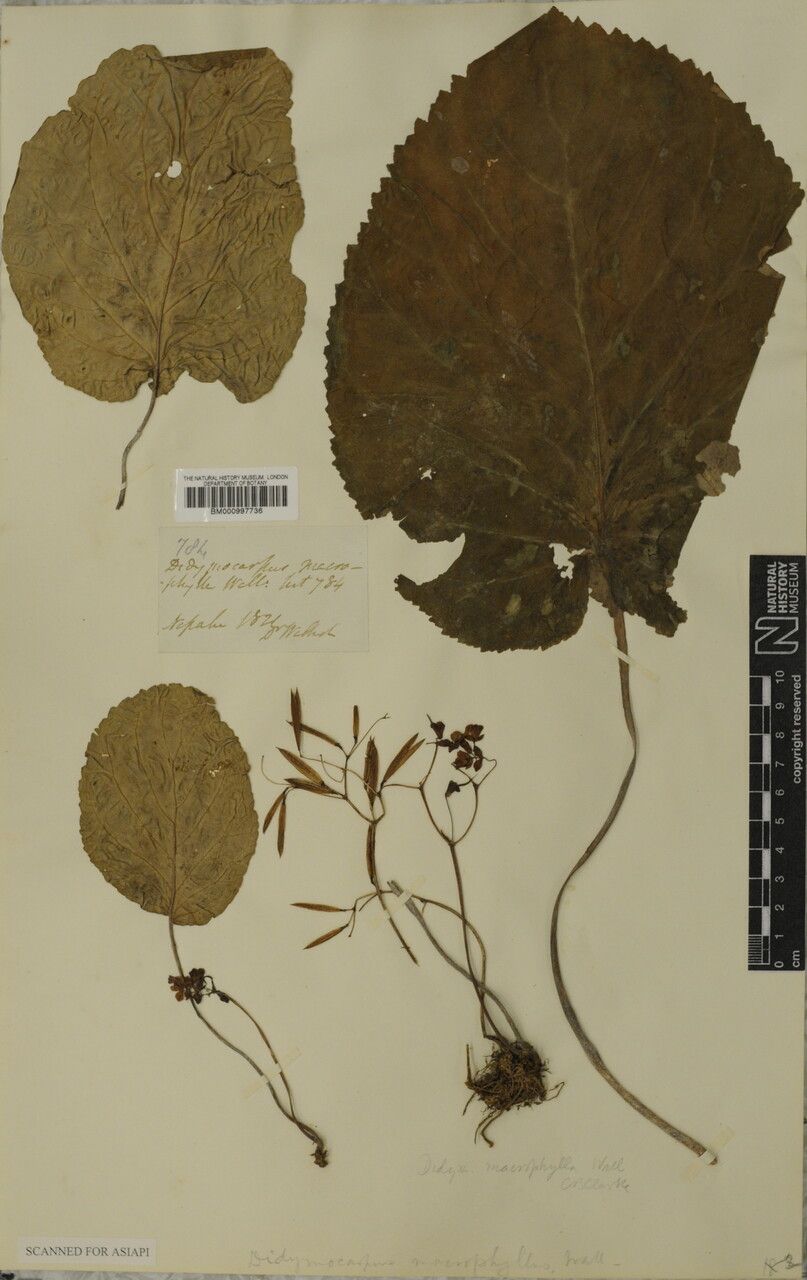
Unlocking the Secrets of the Rock Violet: Propagating Didymocarpus macrophyllus
The Didymocarpus macrophyllus, more affectionately known as the Rock Violet, is a sight to behold. Its velvety leaves, ranging from deep green to vibrant purple, accented by delicate, orchid-like flowers, add a touch of tropical elegance to any space. But bringing this beauty into your home doesn’t have to involve a trip to a specialty nursery. With a little patience and the right know-how, propagating your own Rock Violet is an achievable and rewarding endeavor.
Two Roads to Rooting: Exploring Your Options
The beauty of the Rock Violet lies not only in its appearance but also in the versatility of its propagation. Two primary methods offer success:
1. The Magic of Leaf Cuttings:
This method capitalizes on the plant’s incredible ability to regenerate from a single leaf. Here’s a step-by-step guide:
- Timing is Key: Choose healthy, mature leaves from a thriving plant during its active growing season (spring or summer).
- The Perfect Cut: Using a sharp, sterilized blade, cut the leaf at its base, ensuring you capture a small portion of the petiole (the stalk that attaches the leaf to the stem).
- Preparing the Cutting: Optionally, dip the cut end in rooting hormone powder to encourage faster root development.
- Creating the Ideal Environment: Plant the cutting in a well-draining potting mix, ensuring the cut end is submerged.
- Patience is a Virtue: Maintain consistent moisture, humidity, and indirect sunlight. Over several weeks, roots will begin to form, eventually developing into a new plant.
2. The Seed Route: Patience Rewarded:
While slightly more time-consuming, propagating from seed offers a rewarding experience:
- Source Your Seeds: Collect seeds from mature seed pods on your Rock Violet or purchase them from a reputable supplier.
- Sowing the Seeds: Scatter the seeds on the surface of a well-draining seed starting mix, lightly pressing them in.
- Creating a Greenhouse Effect: Cover the container with a plastic dome or wrap to retain moisture and humidity.
- Embracing the Light: Place the container in a bright location out of direct sunlight.
- Germination Awaits: Be patient! Germination can take several weeks to a few months. Once seedlings emerge and develop a few sets of true leaves, you can carefully transplant them into individual pots.
Tips for Success: Nurturing Your New Arrivals
No matter your chosen propagation method, these tips will set you up for success:
- The Well-Drained Life: Rock Violets thrive in well-draining soil that mimics their natural rocky habitat. A blend of peat moss, perlite, and vermiculite is ideal.
- Light, but Not Too Bright: While these plants appreciate bright, indirect light, direct sunlight can scorch their delicate leaves.
- Moisture is Key: Keep the soil consistently moist but not waterlogged. Regularly check the moisture level by feeling the soil surface.
- Humidity is Their Friend: Rock Violets relish humidity. Mist the plants regularly or place a humidity tray nearby.
- Fertilize with Care: During the growing season, feed your plants with a diluted, balanced fertilizer every 4-6 weeks.
Propagating your own Didymocarpus macrophyllus is a fulfilling journey that allows you to witness the miracle of plant life firsthand. With a little patience and the right care, you can create a thriving oasis of these captivating beauties in your own home.