
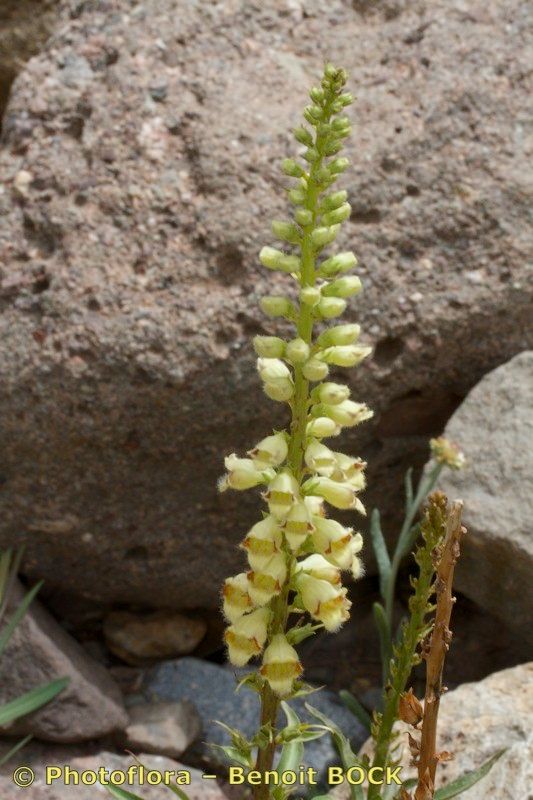
From Seeds to Splendor: Propagating the Ethereal Digitalis transiens
The delicate beauty of the Digitalis transiens, with its ethereal blooms cascading in shades of pink and purple, leaves many yearning to replicate its magic in their own gardens. Thankfully, this captivating plant is relatively easy to propagate, allowing you to share its charm with friends and family, or simply expand your own collection.
A Look at the “Foxglove”:
Digitalis transiens, commonly known as the “Foxglove,” belongs to the Digitalis genus, famous for their bell-shaped flowers that hang like delicate bells clustered on tall stalks. While its beauty is undeniable, this plant is known for its toxicity and should be handled with caution, especially around children and pets.
The Art of Propagation:
There are two primary methods of propagating Digitalis transiens:
1. From Seed:
- Timing: Sow seeds indoors in late winter or early spring for a head start, or directly in the garden after the last frost.
- Preparation: Use a seed starting mix and sow the seeds thinly on the surface, pressing them gently into the soil.
- Watering: Keep the soil moist but not soggy.
- Germination: Expect germination in 2-4 weeks, at optimal temperatures of 60-70°F.
- Transplanting: Once seedlings have several true leaves, carefully transplant them outdoors, spacing them 12-18 inches apart.
2. Division:
- Timing: Divide established plants in early spring or late summer.
- Technique: Gently divide the plant into smaller sections, ensuring each division has roots and at least one healthy growth point.
- Replanting: Plant the divisions in well-prepared soil and water them thoroughly.
Tips for Success:
- Light: Digitalis transiens prefers dappled shade and can tolerate full sun in cooler climates.
- Soil: Well-drained, fertile soil is ideal.
- Watering: Keep the soil consistently moist, especially during dry periods.
- Deadheading: Remove spent flower stalks to encourage new blooms and prevent self-seeding.
- Winter Care: In colder regions, provide winter protection with a layer of mulch or leaves.
Beyond the Basics:
- Germination Challenges: If you experience difficulty with seed germination, consider stratifying the seeds (exposing them to cold temperatures) for a few weeks before sowing.
- Natural Propagation: Digitalis transiens often self-seeds readily, allowing you to enjoy new plants popping up spontaneously in your garden.
- Pest and Disease: Keep an eye out for common garden pests like aphids and slugs.
Bringing the Charm Home:
With a little know-how, you can easily propagate your own Digitalis transiens, creating an ethereal and captivating spectacle in your garden. Whether you opt for seed propagation or division, remember to handle this plant with care and enjoy its stunning beauty while appreciating its inherent toxicity.