
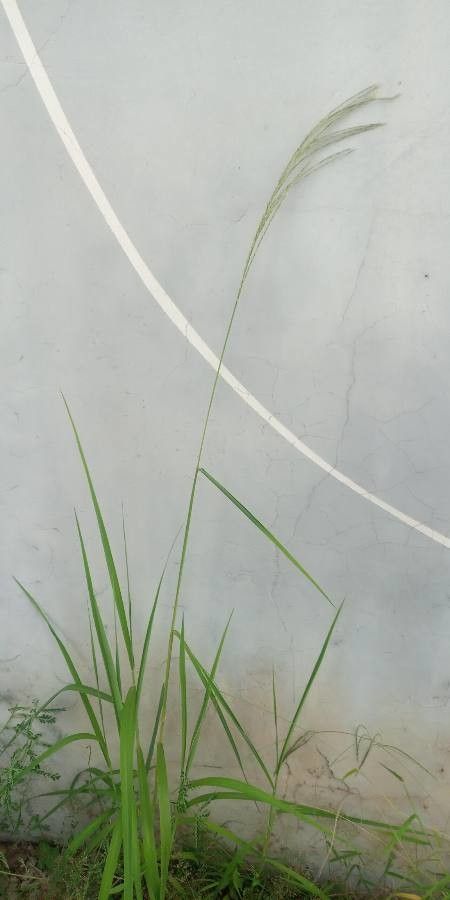
Taming the Turf: Propagating Digitaria Gayana (Gamba Grass)
Digitaria Gayana, more commonly known as Gamba Grass, is a tropical grass species known for its resilience and fast growth. While its aggressive nature makes it a problematic weed in some regions, it’s also valued as a pasture grass and for erosion control in others. Understanding how to propagate Gamba Grass is essential whether you’re looking to establish a new pasture or manage its spread.
Two Ways to Grow: Seeds vs. Stolons
Gamba Grass displays remarkable versatility when it comes to propagation. You can cultivate this robust grass using two primary methods:
1. Seed Propagation:
- The Process: Gamba Grass produces an abundance of seeds. This method involves collecting mature seeds, typically characterized by a brownish hue. You can sow these seeds directly into the soil or start them in seed trays for later transplantation.
- Best for: Large-scale plantings like pastures benefit greatly from seed propagation. It’s also suitable for establishing Gamba Grass in new areas.
- Things to Consider: Seeds may exhibit dormancy, requiring specific conditions like light exposure or temperature fluctuations to germinate successfully. Be patient, as germination can sometimes take a few weeks.
2. Vegetative Propagation using Stolons:
- The Process: Stolons are horizontal stems that grow above the ground, developing roots and shoots at their nodes. Gamba Grass spreads vigorously via these stolons. To propagate, simply cut a section of stolon with a node and plant it in moist soil.
- Best for: Filling in gaps in existing pastures or quickly expanding Gamba Grass coverage in a controlled area. This method proves faster than starting from seed.
- Things to Consider: Ensure the stolon section you select is healthy and free from diseases. This method necessitates an existing Gamba Grass plant as the source material.
Tips for Propagation Success:
No matter your chosen propagation method, keep these general tips in mind:
- Timing is Key: Spring is the optimal time to propagate Gamba Grass, as the warmer temperatures and increased rainfall promote rapid growth.
- Soil Matters: Well-drained soil is crucial for preventing root rot. Gamba Grass prefers slightly acidic to neutral soil pH (around 6.0 to 7.0).
- Water Wisely: While Gamba Grass is relatively drought-tolerant once established, consistent moisture is essential during the initial stages of growth. Water deeply but infrequently, allowing the soil surface to dry slightly between waterings.
- Sunlight is Essential: Gamba Grass thrives in full sun, requiring a minimum of six hours of direct sunlight daily.
- Management is Critical: Due to its invasive potential, responsible management practices are paramount. This includes careful monitoring, preventing seed spread, and implementing appropriate control measures if necessary.
A Note of Caution:
While Gamba Grass boasts numerous benefits, it’s essential to be aware of its potential to become invasive. Before planting, check with your local authorities regarding regulations and recommendations.
In Conclusion:
Propagating Digitaria Gayana (Gamba Grass) can be a straightforward process when armed with the right knowledge. Whether you favor the seed route or prefer harnessing the power of stolons, understanding the plant’s growth requirements will pave the way for successful propagation and contribute to its responsible management.