
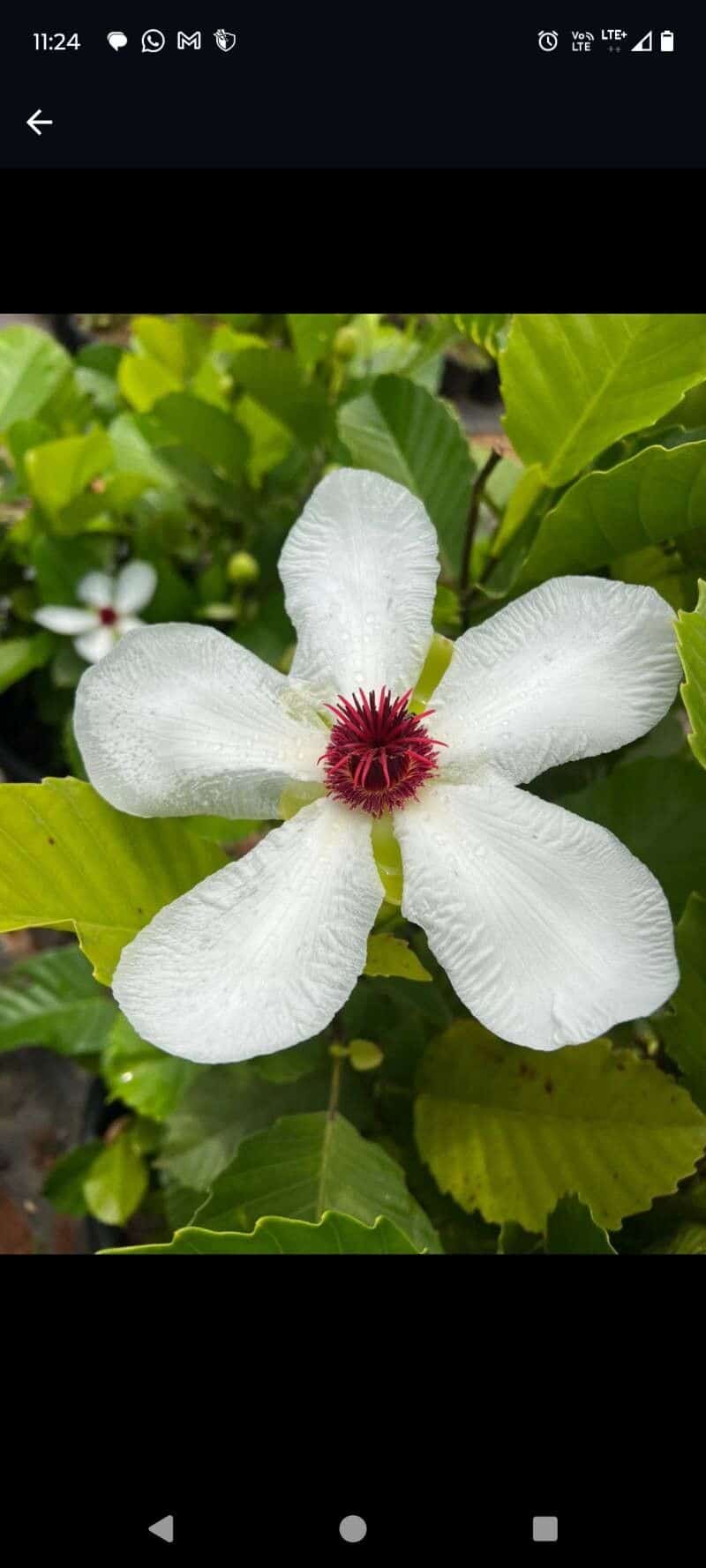
Unveiling the Secrets: How to Propagate the Majestic Dillenia Philippinensis
The Dillenia philippinensis, also known as the Philippine Katmon or Elephant Apple, is a majestic evergreen tree native to Southeast Asia. Admired for its striking large white flowers and vibrant green foliage, this tropical beauty is a sight to behold. But did you know that you can cultivate this exotic wonder right in your own garden? Let’s delve into the rewarding journey of propagating Dillenia philippinensis and unlock the secrets to its successful growth.
Two Paths to Propagation:
Dillenia philippinensis can be propagated through two primary methods: seeds and cuttings. Each technique has its own set of advantages and challenges, allowing you to choose the approach that best suits your gardening style and resources.
1. The Seed Route: Embracing the Cycle of Nature
Propagating from seeds offers a deeply satisfying experience, allowing you to witness the entire life cycle of your Dillenia philippinensis. Here’s what you need to know:
- Seed Collection and Preparation: Collect ripe fruits directly from a healthy tree. Inside, you’ll find fleshy arils surrounding the seeds. Carefully remove the arils, as they contain germination inhibitors, and thoroughly wash the seeds in running water.
- Sowing the Seeds: Plant the seeds in a well-draining seed starting mix. Keep the soil consistently moist but not waterlogged. Dillenia philippinensis seeds require light to germinate, so ensure they are near the surface, lightly covered with the mix.
- Patience is Key: Germination can take anywhere from a few weeks to several months. Place the seed trays in a warm, brightly lit location out of direct sunlight. Providing bottom heat using a heating mat can also speed up germination.
2. The Cutting Edge: A Faster Path to Growth
If you’re looking for quicker results and wish to retain the parent plant’s characteristics, propagation through cuttings is an excellent choice. Follow these steps:
- Choosing the Right Cutting: Select a healthy, semi-hardwood stem cutting from the current year’s growth. The ideal cutting should be about 6-8 inches long with several nodes.
- Preparing the Cutting: Remove the leaves from the lower portion of the cutting. Dip the cut end in rooting hormone powder to stimulate root development.
- Planting the Cutting: Insert the treated cutting into a pot filled with a well-draining potting mix. Maintain optimal moisture levels and place the cutting in a brightly lit location, avoiding direct sunlight.
- Rooting Success: It can take several weeks for the cutting to develop roots. You can test for root formation by gently tugging on the cutting. Resistance indicates successful rooting.
Nurturing Your Dillenia Philippinensis:
Regardless of the propagation method you choose, providing the right environment for your young plant is crucial:
- Well-Draining Soil: Dillenia philippinensis thrives in loose, well-draining soil. A mixture of peat moss, perlite, and vermicast is an excellent option.
- Ample Sunlight: While young plants benefit from some shade, mature Dillenia philippinensis require plenty of sunlight for optimal growth and flowering.
- Regular Watering: Keep the soil consistently moist but not soggy. Water deeply when the top inch of the soil feels dry.
- Fertilizing for Success: Feed your plant with a balanced fertilizer every two weeks during the growing season to promote healthy growth.
A Rewarding Endeavor:
Propagating Dillenia philippinensis may require patience and dedication, but the rewards are immeasurable. Watching your very own Elephant Apple tree flourish, bearing its exquisite white blossoms, is an experience that will fill you with immense joy and pride. So, why wait? Embark on this rewarding journey of propagation and welcome the majestic Dillenia philippinensis into your garden today.