
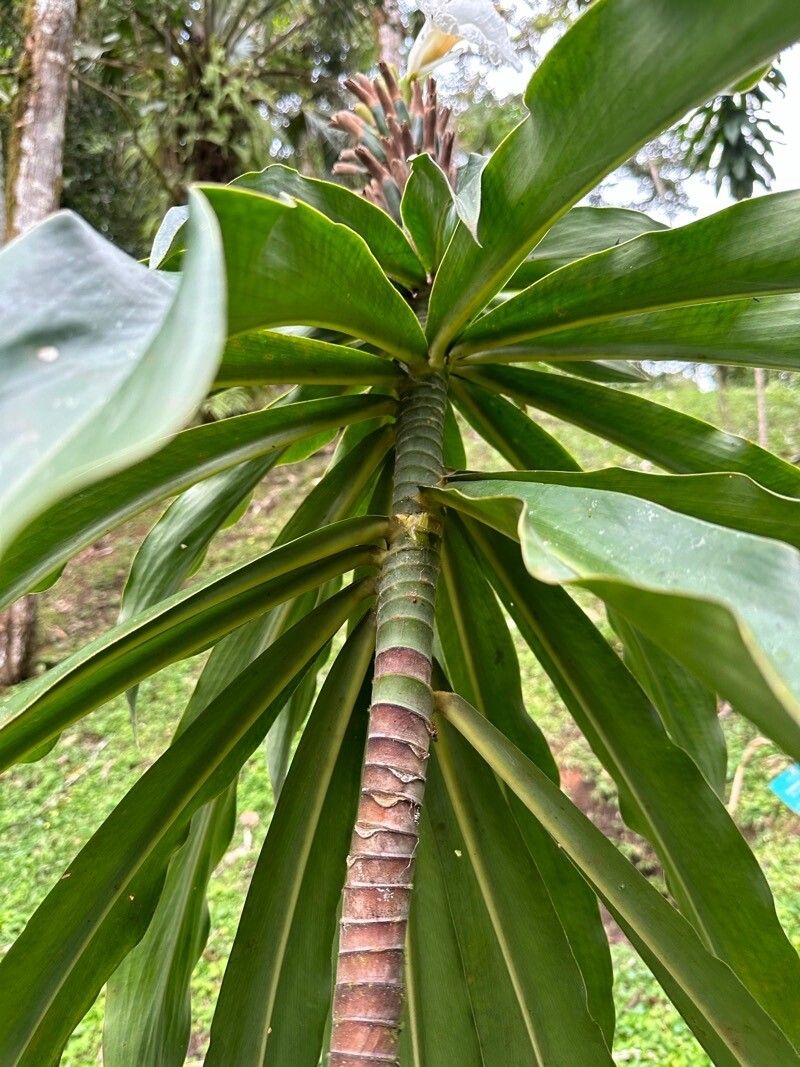
Taming the Tropical Torch: Propagating Your Own Dimerocostus strobilaceus
The Dimerocostus strobilaceus, also known as the spiral ginger or the red button ginger, is a sight to behold. With its vibrant red cone-shaped bracts spiraling upwards and its lush green leaves, this tropical beauty can add a touch of the exotic to any garden or home. If you’re lucky enough to have one of these stunners, you might be wondering how to propagate it and share the joy with others. Fear not, fellow plant enthusiast, for propagating Dimerocostus strobilaceus is surprisingly straightforward, and we’re here to guide you through the process.
Understanding the Plant
Before we delve into the “how-to,” let’s understand what we’re dealing with. Dimerocostus strobilaceus is a rhizomatous plant, meaning it grows from underground stems called rhizomes. These rhizomes store nutrients and produce new shoots, making them the key to successful propagation.
Methods of Propagation
There are two primary methods for propagating your Dimerocostus strobilaceus:
1. Rhizome Division:
- Timing is Key: The best time to divide your ginger is during its active growing season, ideally in spring or early summer. This is when the plant has the most energy to establish new roots.
- Gentle Division: Carefully dig up your plant, ensuring you get as much of the root system as possible. Using a sharp, sterilized knife or pruning shears, divide the rhizome into sections, with each section containing at least one healthy growth point (a node or bud).
- Potting Up: Plant your divided rhizomes in well-draining soil, ensuring the growth point is facing upwards, roughly an inch below the soil surface. Keep the soil consistently moist but not waterlogged.
- Patience is a Virtue: Allow several weeks for the new plants to establish themselves. You’ll know they’re thriving when new growth starts to appear.
2. Growing from Seed (Slightly Advanced):
- Source Fresh Seeds: While possible, propagating Dimerocostus strobilaceus from seed is less common, as seeds can be tricky to find and may have a lower germination rate. Look for fresh seeds from a reputable supplier for the best results.
- Scarification and Soaking: To improve germination, lightly scarify the seeds by gently nicking the outer shell. Then, soak the seeds in warm water for 24 hours before planting.
- Sowing the Seeds: Plant the seeds in a well-draining seed-starting mix, lightly covering them with soil. Keep the soil consistently moist and warm, ideally around 75-80°F (24-27°C).
- Germination and Care: Germination can take several weeks or even months. Once the seedlings emerge, ensure they receive bright, indirect light and continue to maintain a warm, humid environment.
Tips for Success:
- Warm and Humid: Remember, this is a tropical plant. Provide your new propagations (and your established plant) with a warm and humid environment, especially during the initial stages.
- Well-Draining Soil: Use a loose, well-draining potting mix rich in organic matter. Dimerocostus strobilaceus does not tolerate soggy roots.
- Bright, Indirect Light: These plants thrive in bright, indirect light. Avoid direct sunlight, as it can scorch the leaves.
- Regular Feeding: During the growing season (spring and summer), fertilize your Dimerocostus strobilaceus regularly with a balanced liquid fertilizer.
By following these steps, you can successfully propagate your captivating Dimerocostus strobilaceus and enjoy its tropical charm in multiple locations. Sharing your success with fellow plant lovers is just another rewarding aspect of this fulfilling hobby. So, go forth and propagate – the world needs more of these vibrant beauties!