
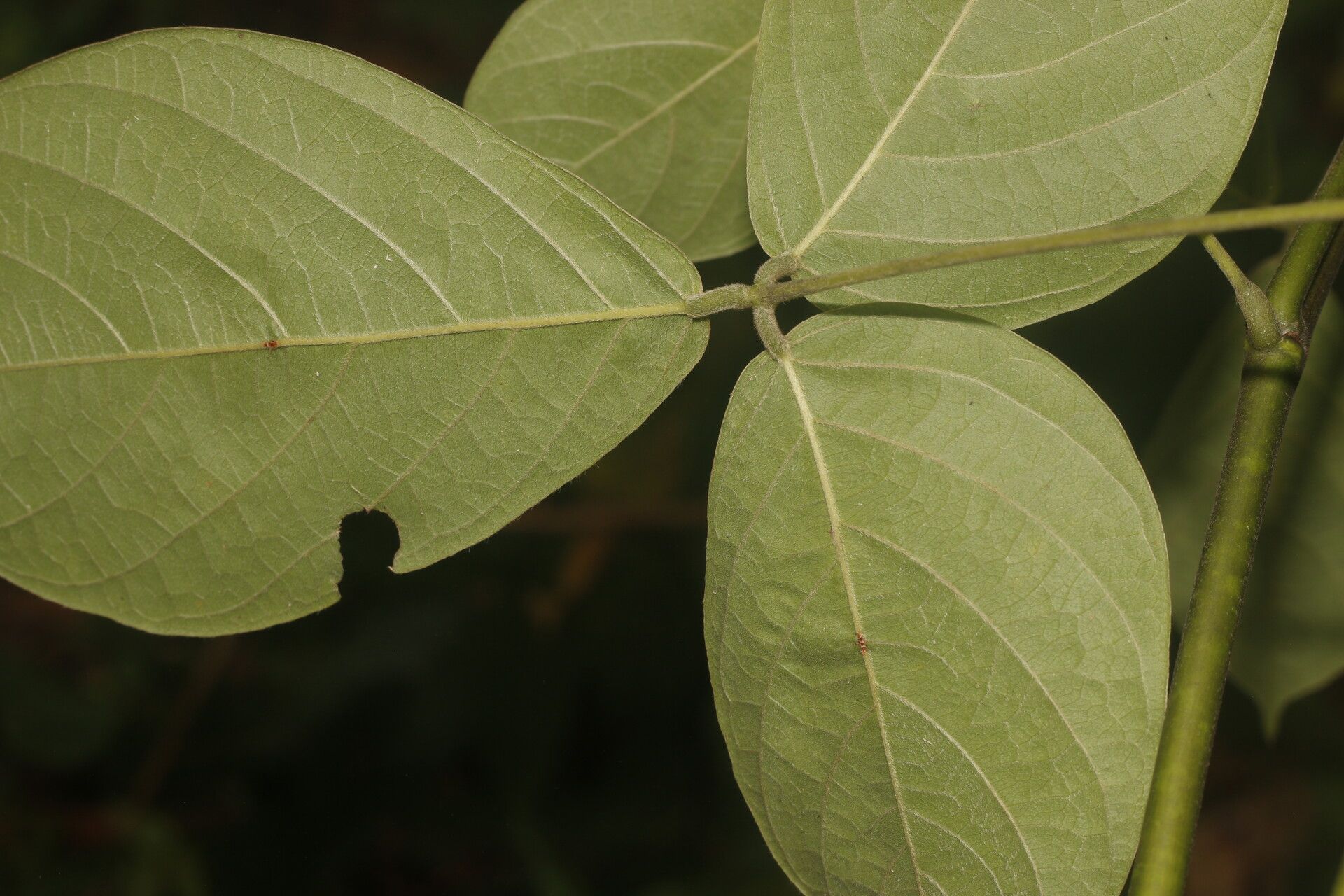
Taming the Wild: Successfully Propagating Dioclea virgata
The Dioclea virgata, with its vibrant purple blooms and vigorous climbing habit, is a captivating addition to any tropical garden. This stunning climber, also known as the Virgin Islands creeper, is a powerhouse of vibrant color and lush foliage. But taming this wild beauty isn’t as simple as tossing a few seeds in the ground. Let’s delve into the art of propagating Dioclea virgata, unlocking the secrets to success.
Two Paths to Propagation
Like many plant species, Dioclea virgata can be propagated through two primary methods: seeds and cuttings. Each method has its pros and cons, so choosing the right one depends on your resources and patience.
1. The Seed Route: A Test of Time and Patience
Propagating from seed is like embarking on a rewarding, albeit lengthy, journey.
Sourcing your seeds: Begin your adventure by sourcing fresh, viable seeds. You can collect mature pods directly from a healthy Dioclea virgata plant or find reputable online sellers specializing in exotic seeds.
Scarification: The Key to Awakening: Dioclea virgata seeds possess a hard outer coating that can be a barrier to germination. Gently nicking or sanding this tough exterior, a process known as scarification, helps water penetrate and encourages sprouting.
Soil and Sowing: Plant your scarified seeds in a well-draining seed-starting mix, burying them about an inch deep. Keep the soil consistently moist but not waterlogged.
- Patience is a Virtue: Be prepared to wait, as germination can take anywhere from a few weeks to several months. Providing warmth and humidity can speed up this process. Consider using a seedling heat mat and humidity dome to create the ideal environment.
2. Cutting to the Chase: Propagation Through Cuttings
For those who prefer a quicker and potentially more reliable approach, propagation through cuttings is a viable alternative.
Choosing the Right Cutting: Select healthy, semi-hardwood cuttings from a mature Dioclea virgata plant during the active growing season. Aim for cuttings about 4-6 inches long with several nodes (the bumps where leaves emerge).
Hormonal Boost: While not strictly necessary, dipping the cut end of your cutting in rooting hormone powder can significantly increase the odds of successful rooting.
Creating the Ideal Environment: Plant your prepared cutting in a pot filled with a well-draining rooting mix or a mixture of peat moss and perlite. Maintain a humid environment by covering the pot with a plastic bag or placing it in a propagator.
- Signs of Success: After a few weeks, you’ll start to see new growth if the cutting has rooted successfully. At this point, you can gradually acclimate your new plant to outdoor conditions before transplanting it to its permanent location.
Caring for Your New Dioclea Virgata
Regardless of your chosen propagation method, once your Dioclea virgata is established, it requires minimal care. Provide it with a sturdy support structure to climb, well-draining soil, and plenty of sunlight to thrive. Regular watering is crucial, especially during the first year after planting.
Propagating Dioclea virgata can be an incredibly rewarding experience. The sight of its exquisite flowers gracing your garden, a testament to your patience and care, will make all the effort worthwhile. So why wait? Embark on your propagation journey and add this tropical beauty to your own outdoor haven.