
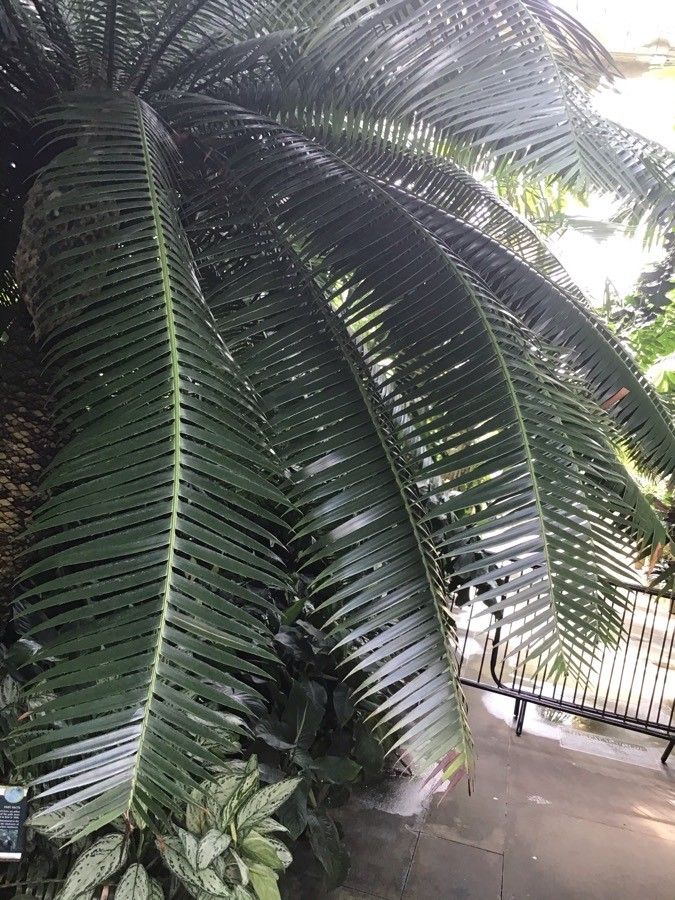
Unlocking the Ancient Secrets: Propagating the Majestic Dioon Spinulosum
The Dioon spinulosum, also known as the giant dioon or gum palm (though not a true palm), is a botanical monarch. Hailing from Mexico’s rainforests, this cycad boasts a crown of feathery fronds atop an ancient-looking, armored trunk. While procuring a mature specimen can be costly, propagating your own Dioon spinulosum is a rewarding challenge for plant enthusiasts.
While slow-growing, the satisfaction of nurturing this living fossil from seed or pup to a thriving plant is unmatched. Let’s delve into the two primary methods of Dioon spinulosum propagation:
1. Seed Propagation: A Test of Patience
The Process:
- Source Fresh Seeds: Look for reputable suppliers offering fresh seeds, as viability decreases over time.
- Prepare for Soaking: Soak your seeds in lukewarm water for 24-48 hours to enhance germination rates.
- Create the Right Medium: Choose a well-draining mix, such as a blend of perlite and peat moss or a specific cycad potting mix.
- Sow with Care: Place seeds horizontally in the medium, burying them about half their width deep.
- Warmth and Moisture are Key: Employ a heat mat to maintain a temperature around 75-85°F (24-29°C) and keep the soil consistently moist but not waterlogged.
- The Waiting Game: Germination is notoriously slow and can take anywhere from a few months to a year. Don’t lose hope!
Tips:
- Scarification, gently nicking the seed coat, can sometimes improve germination rates.
- Be patient. Seed propagation is a waiting game best suited for dedicated enthusiasts.
2. Pup Propagation: Cloning Your Cycad
Dioon spinulosums often produce pups, or offsets, at the base of the main trunk. These offshoots offer a quicker propagation route.
The Process:
- Identify a Healthy Pup: Select a pup that is at least 4-6 inches tall with a good root system.
- Careful Removal: Using a clean, sharp knife, carefully separate the pup from the parent plant, ensuring you get as much of the pup’s root system as possible.
- Pre-Potting Prep: Allow the pup’s cut surface to callus over for a few days to prevent rot.
- Plant and Water: Plant the pup in a well-draining potting mix similar to the seed starting mix. Water it in well but avoid overwatering.
Tips:
- The best time to remove pups is during the active growing season (spring or summer).
- If the pup has limited roots, dipping the cut end in rooting hormone can be beneficial.
Patience is Your Greatest Virtue
Regardless of the method chosen, propagating Dioon spinulosum requires patience. These ancient cycads grow slowly, but their resilience and unique beauty make the wait worthwhile. By following these guidelines, you can experience the joy of nurturing these prehistoric wonders from their earliest stages.