
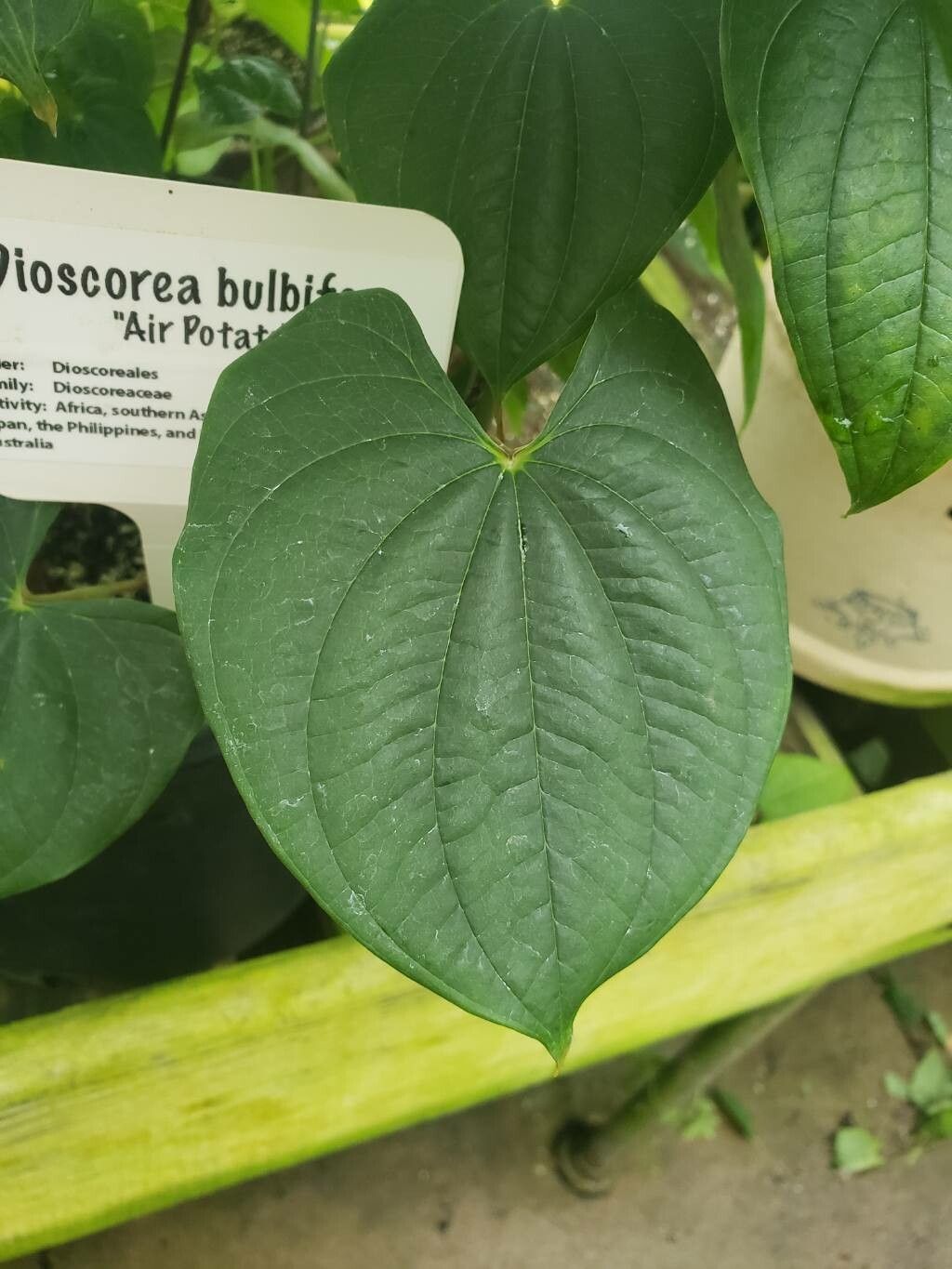
Beyond Bulbs: The Air Potato’s Unexpected Propagation Secrets
The air potato, or Dioscorea bulbifera, is a curious vine known for its fascinating aerial tubers, which are bulblet-like structures that develop along the plant’s stems. While these bulbs might seem like the obvious way to propagate this plant, there’s a whole other world of possibilities when it comes to getting more air potatoes.
Harnessing the Power of Air Tubers:
You’ll often hear that air potatoes are extremely easy to grow. This reputation stems from the ease of propagation via their aerial tubers. Simply detach a mature bulb (it should be firm and free of blemishes) and allow it to dry for a few days. Then, plant it directly into the soil, burying it about half its diameter. Keep the soil consistently moist and provide adequate shade to prevent desiccation. Within a few weeks, you should see new growth emerging.
However, the air potato’s propagation story doesn’t end there.
Unveiling the Hidden Secrets:
For those seeking a more unique and less conventional approach, the air potato offers further avenues for propagation:
Stem Cuttings: Much like other vines, the air potato can be propagated from stem cuttings. Select a healthy stem segment with at least two nodes (the points where leaves emerge), and make a clean cut just below a node. Remove the leaves from the bottom node. Dip the cut end in rooting hormone and plant it in a moist potting mix. Cover the pot with a plastic bag to create a humid environment. With patience, the cutting will develop roots and new growth.
- Seed Propagation: While less commonly used, propagating air potatoes from seeds is possible. The fruit of the air potato, which resembles a small gourd, contains numerous seeds. These seeds can be sown directly into the ground or started in seed trays. Keep the soil moist and warm, and germination should occur within a few weeks.
Important Considerations:
While air potatoes are known for vigorous growth, it’s essential to acknowledge their invasive potential. In some regions, they are considered an invasive species, quickly taking over landscapes and outcompeting native plants.
Therefore, regardless of your chosen propagation method, take responsible steps to prevent unwanted spread:
- Container Cultivation: Growing your air potato in a container is a great way to control its spread.
- Regular Pruning: Keep your air potato pruned to manage its growth and prevent it from becoming too invasive.
- Careful Disposal: Do not dispose of air potato bulbs or plant parts directly into the environment. Dispose of unwanted material in your trash or compost bin.
By understanding and respecting the air potato’s propagation potential, you can cultivate this interesting plant responsibly while enjoying its unique charm.