
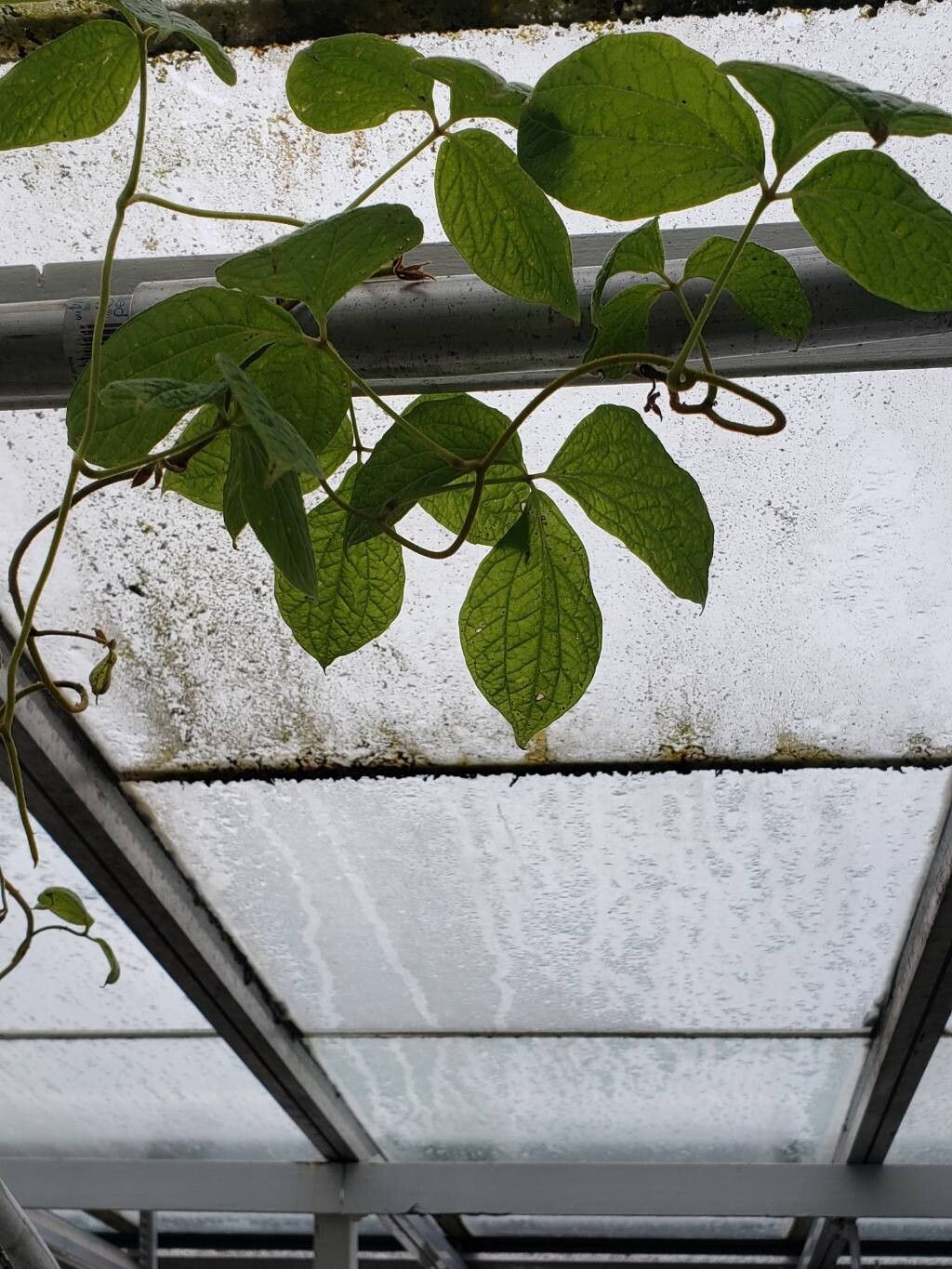
Unlocking the Secrets of the Living Fossil: Propagating Dioscorea dregeana (African Dream Root)
The Dioscorea dregeana, more commonly known as the African Dream Root, is a fascinating plant shrouded in both history and mystery. Used for centuries in traditional medicine and spiritual practices, this South African native, with its distinctive, almost prehistoric appearance, is gaining popularity amongst adventurous plant enthusiasts. But cultivating this “living fossil” can seem as enigmatic as its traditional uses. Fear not! This guide will demystify the propagation of Dioscorea dregeana, allowing you to grow your own piece of botanical history.
Understanding the Basics: What Makes D. dregeana Unique?
Before we delve into propagation techniques, it’s essential to understand what makes this plant unique. Unlike many common houseplants, D. dregeana is a climbing vine with woody, cylindrical stems that can reach impressive lengths. Its most striking feature, however, is its large, subterranean tuber, which can weigh several pounds. It is from this tuber, also known as the “African Dream Root,” that the plant derives its common name.
Propagation Methods: Unveiling the Secrets
While D. dregeana can be grown from seeds, this method can be notoriously slow and unpredictable. Instead, the most effective and widely practiced propagation techniques involve utilizing sections of the plant itself:
Tuber Cuttings: The most common and reliable method involves dividing the mature tuber. Here’s how:
- Carefully unearth a mature, healthy tuber in the dormant season (usually fall or winter).
- Using a clean, sharp knife, cut the tuber into sections, ensuring each piece has at least one “eye” or growth point (similar to a potato eye).
- Allow the cut surfaces to dry for a day or two, allowing them to callous. This prevents rot.
- Plant each section in a well-draining potting mix, ensuring the eye is facing upwards, just below the soil surface.
- Stem Cuttings: While slightly less common, propagating from stem cuttings is also possible:
- Take cuttings from healthy, mature stems during the growing season (spring or summer).
- Each cutting should be around 4-6 inches long and contain at least two nodes (the points where leaves emerge).
- Remove the lower leaves and dip the cut end in rooting hormone (optional, but recommended).
- Plant the cutting in a well-draining mix, burying at least one node below the surface.
Nurturing Your New Plants: Patience is Key
D. dregeana is known for its slow growth. Don’t be discouraged if you don’t see immediate results. Here are some tips to encourage healthy growth:
- Light: Provide bright, indirect light.
- Water: Water consistently during the growing season, allowing the soil to dry slightly between waterings. Reduce watering during dormancy.
- Soil: A well-draining potting mix is crucial to prevent root rot.
- Support: As a climbing vine, D. dregeana will need a trellis or stake for support.
Reaping the Rewards: A Journey Worth Taking
Propagating your own Dioscorea dregeana might require patience, but the rewards are manifold. Not only will you have successfully cultivated a plant steeped in intriguing history, but you will also have a unique and conversation-starting addition to your plant collection. So, embrace the challenge, unlock the secrets of this ancient species, and enjoy the journey of growing your own living fossil.