
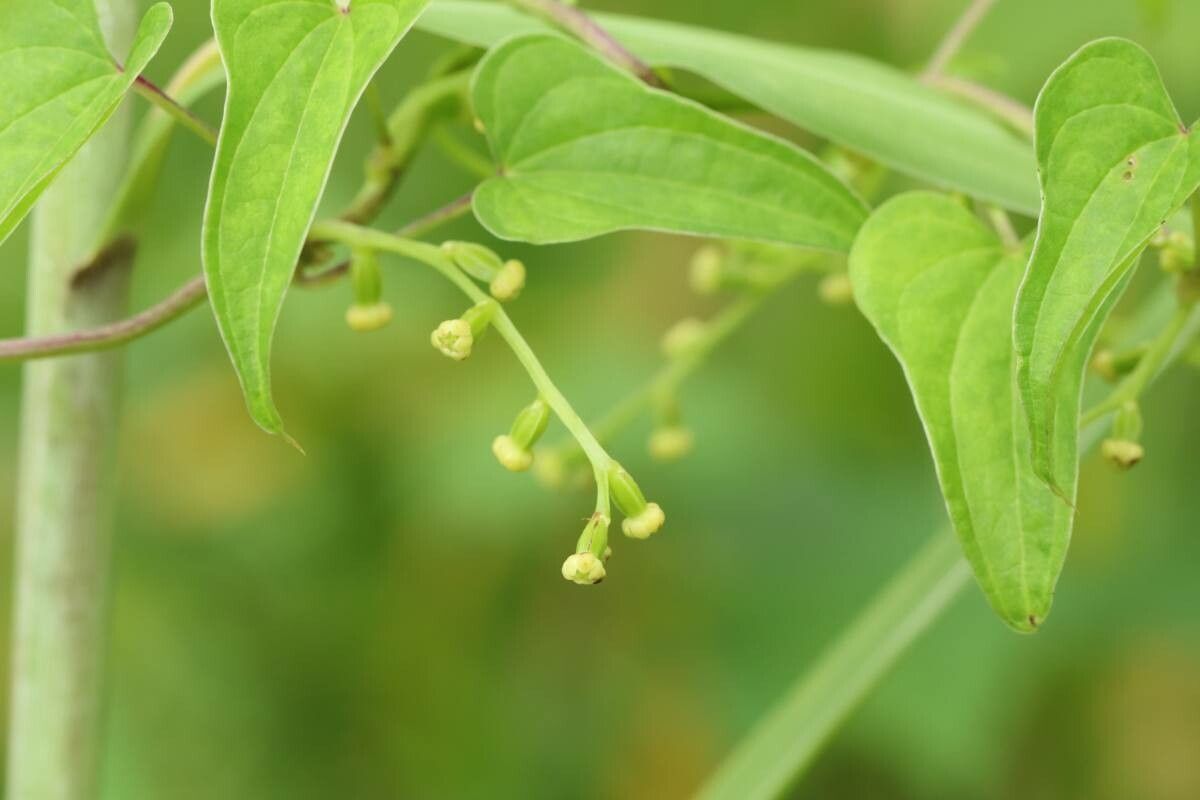
Unlocking the Secrets of the Mountain Yam: Propagating Dioscorea Japonica
Dioscorea japonica, the fascinating “Japanese mountain yam,” is prized not only for its culinary uses in its native East Asia but also for its ornamental appeal. While you might be familiar with the starchy tubers found in Asian markets, growing your own mountain yam can be a rewarding experience. So, let’s delve into the secrets of propagating this fascinating plant.
Understanding the Basics
Dioscorea japonica, a vigorous perennial vine, can be propagated in a few different ways:
Seed Propagation: While possible, growing from seed is less common. The seeds require a cold stratification period (imitating winter conditions) to germinate and can be slow to establish.
Tuber Division: This is the most common and easiest method for propagating Dioscorea japonica. Mature plants produce small bulbils (aerial tubers) at the leaf axils and larger tubers underground.
- Stem Cuttings: This method is less common but offers another viable propagation route.
The Art of Tuber Division
Timing is Key: The best time to divide tubers is in late fall or early spring when the plant is dormant.
Unearth with Care: Carefully dig around the base of the plant, being sure not to damage the tubers. Mature tubers can grow quite large, so dig a wide circle.
Divide and Conquer: Gently separate the bulbils from the plant. For larger tubers, you can cut them into sections, ensuring each section has at least one “eye” or growth point.
Preparing for Planting: Allow the cut surfaces of the tubers to dry for a day or two. This helps prevent rot.
- Planting Time: Plant the tubers horizontally in well-draining soil, about 2-3 inches deep and 12-18 inches apart. Water well and keep the soil consistently moist but not waterlogged.
Propagating from Stem Cuttings:
Choose Wisely: Select healthy, non-flowering stems during the growing season.
Cut to Propagate: Using clean, sharp shears, take cuttings that are about 4-6 inches long. Make the cut just below a leaf node.
Prep the Cuttings: Remove the lower leaves and lightly wound the cut end of the stem to encourage root development. You can also dip the cut end in rooting hormone powder (optional).
- Potting Up: Plant the cuttings in a well-draining potting mix. Keep the soil moist and provide indirect sunlight.
Patience is a Virtue
Regardless of the propagation method you choose, remember that Dioscorea japonica takes time to establish. It may take several weeks or even months to see new growth. Be patient, provide consistent care, and soon you’ll be rewarded with this unique and rewarding plant in your own garden.
Beyond Propagation:
Once your Dioscorea japonica is established, it’s a relatively low-maintenance plant. Provide it with a sturdy support to climb, well-draining soil, and regular watering, and enjoy the beauty of this remarkable vine!