
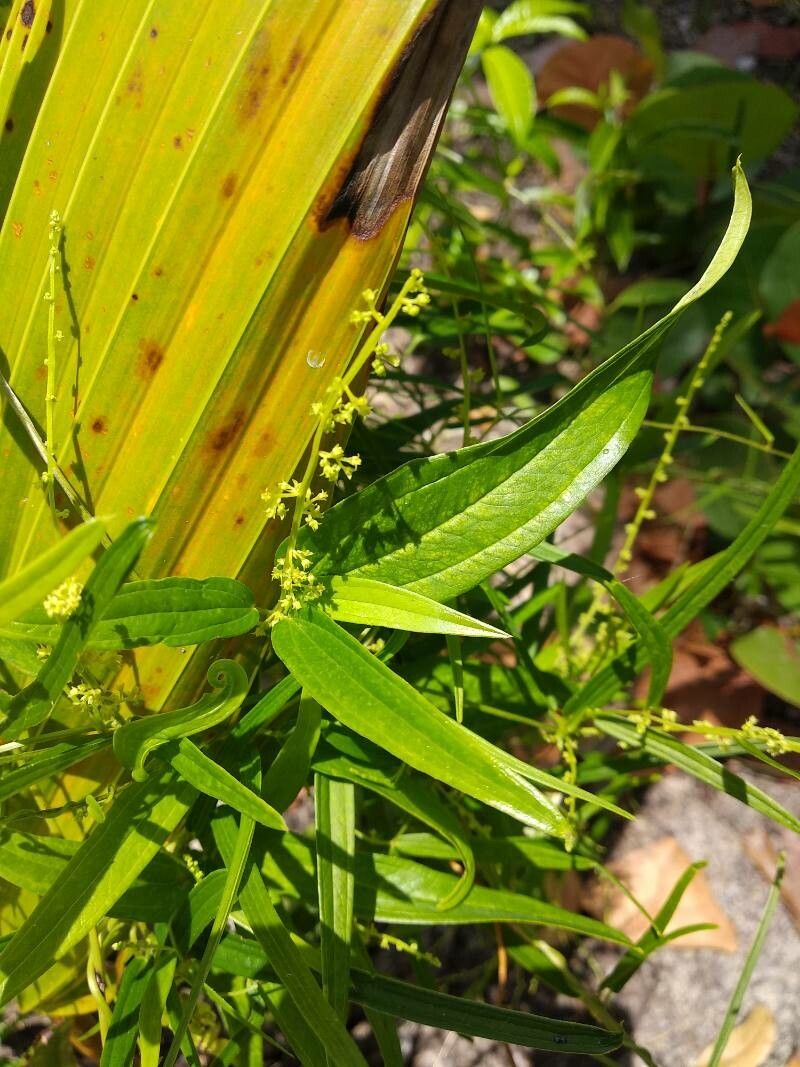
Propagating Dioscorea pilosiuscula: A Gardener’s Guide to the Woolly Yam
Introduction:
Dioscorea pilosiuscula, commonly known as the woolly yam, is a charming vine cherished by gardeners for its delicate, heart-shaped leaves and its ability to quickly cover trellises or walls. While not widely known compared to other ornamental vines, its unique texture and relatively low maintenance make it a rewarding addition to any garden. Propagation, however, presents some distinct challenges, making success all the more satisfying. Its relatively slow growth compared to other vigorous vines also contributes to the interest in effective propagation methods.
Seed Germination:
Currently, there are no known reliable methods for seed germination propagation of Dioscorea pilosiuscula. While the plant does produce seeds, their viability and germination rate are extremely low, rendering seed propagation impractical for most gardeners.
Cuttings:
Challenges: Dioscorea pilosiuscula cuttings can be challenging to root. The success rate is significantly influenced by factors such as the age and health of the parent plant, as well as environmental conditions. Older, woody stems are less likely to root than younger, semi-hardwood cuttings.
Practical Tips: Take cuttings in spring or early summer from actively growing stems. Cuttings should be 4-6 inches long, with at least two nodes. Remove lower leaves and dip the cut ends in rooting hormone. Plant in a well-draining propagation mix, keeping the mix consistently moist but not waterlogged. High humidity levels, achieved through a propagator or plastic bag, significantly improve rooting success. Bottom heat can also be beneficial.
Rewards: Cuttings offer a relatively straightforward method (compared to other options) for producing genetically identical clones of a desirable mother plant. This is particularly useful if you have a plant with exceptional characteristics. This method is likely the most accessible for home gardeners.
Division:
Challenges: Dioscorea pilosiuscula doesn’t readily form dense clumps like some other vines, limiting the feasibility of division. Dividing the rhizomes (underground stems) can be challenging and may damage the plant, potentially leading to reduced vigor or even death.
Practical Tips: Division should only be attempted when the plant is dormant (during the fall or winter) and the rhizomes are relatively large. Carefully dig up the entire plant, gently separating the rhizomes with a sharp, clean knife. Ensure each division has healthy growth points. Replant immediately into well-draining soil.
Rewards: Division allows for the increase of the number of plants relatively quickly, bypassing the slower growth of cuttings. It’s a more rapid method for increasing your stock, but successful division depends heavily on careful handling.
Tissue Culture:
Challenges: Tissue culture propagation requires specialized equipment, aseptic working conditions, and considerable expertise. This is not a practical method for the average home gardener.
Practical Tips: Sterile techniques are crucial. Explants (plant tissues) are cultured on a nutrient-rich agar medium under controlled environmental conditions. This method is best left to professional nurseries or research facilities.
Rewards: Tissue culture offers the potential for large-scale propagation and the elimination of diseases. It also allows for the production of disease-free plants, resulting in healthier and more vigorous growth. This method is unlikely to be accessible to home gardeners.
Conclusion:
Propagating Dioscorea pilosiuscula, while presenting some significant hurdles, is ultimately achievable, primarily through cuttings. While seed germination is unreliable and division challenging, cuttings offer a viable option for home gardeners. While tissue culture provides potential for large-scale production, its complexity limits its accessibility. The satisfaction derived from successfully propagating this beautiful vine, whether through persistence with cuttings or successfully executing a division, is a testament to the gardener’s patience and skill. Remember patience and attention to detail are crucial for success. Don’t be discouraged by initial setbacks – experiment with different techniques and persistently nurture your cuttings; the beauty of a thriving woolly yam is a rewarding outcome.