
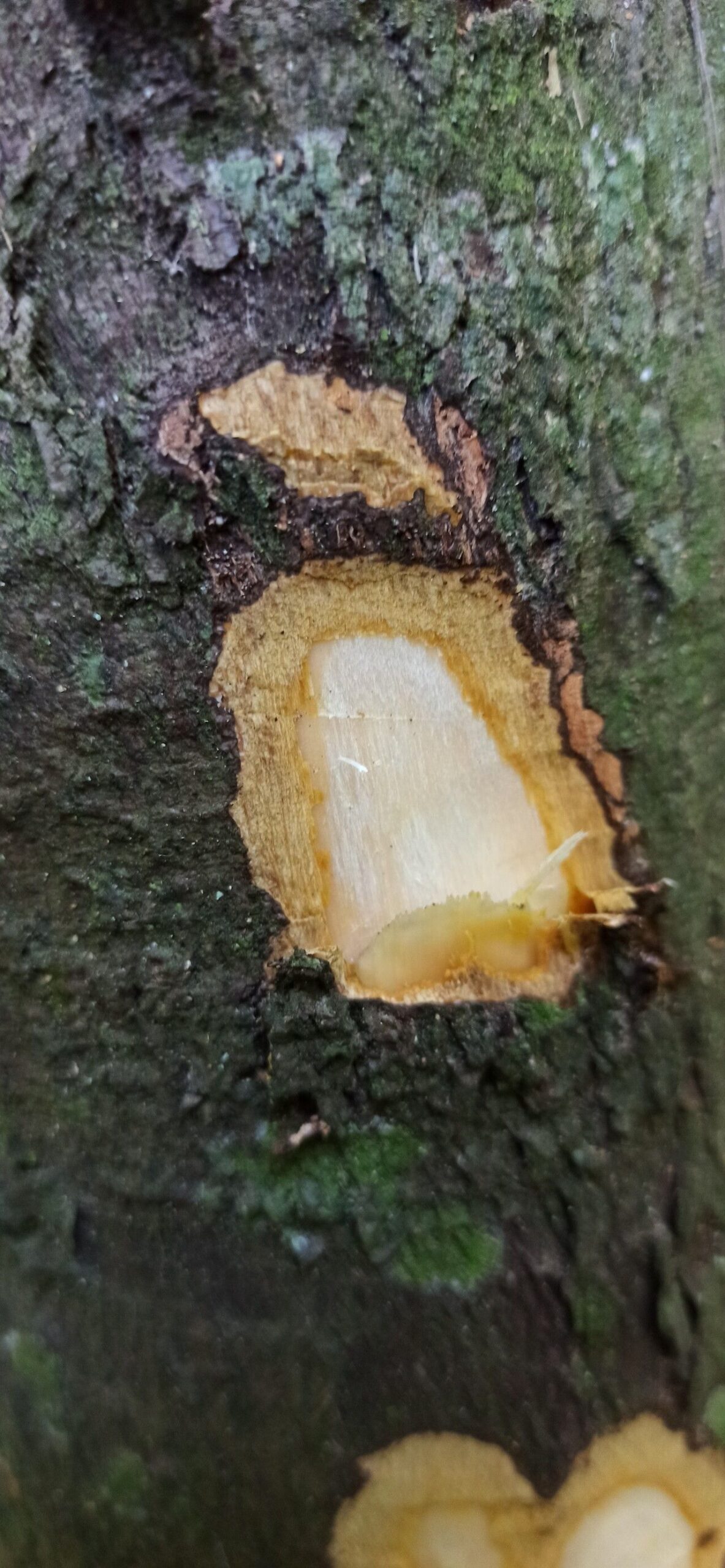
From Seed to Fruit: Propagating the Delicious “African Persimmon”
The African Persimmon, Diospyros abyssinica, is a captivating fruit tree native to eastern Africa. It’s known for its sweet, juicy fruit and its ability to thrive in various conditions. But what if you wanted to grow your own? Enter the fascinating world of propagation!
This blog post will delve into the methods of bringing new life to the African Persimmon, covering everything from seed propagation to more advanced techniques. So, gather your gardening gloves, and let’s embark on this exciting journey.
1. From Seed to Sprout: The Patient Gardener’s Approach
Seed propagation is the most common method for growing African Persimmons. Here’s how it works:
- Harvesting Seeds: Start by collecting mature, ripe fruits. Remove the seeds and clean them thoroughly. It’s important to sow seeds fresh, as they can lose their viability over time.
- Sowing Seeds: Fill a seed tray or small pots with well-draining potting mix. Sow each seed about half an inch deep, spacing them a couple of inches apart.
- Germination: Keep the soil moist but not waterlogged, and place the tray in a warm, sunny location. African Persimmon seeds can take a few weeks to germinate, so patience is key!
- Transplantation: Once your seedlings have developed a few true leaves, carefully transplant them into individual pots or outdoors in a well-prepared bed.
2. The Art of Cuttings: A Faster Route to Fruit
For those seeking a quicker path to a fruiting tree, propagation by cuttings is a viable option.
- Cuttings and Rooting Hormones: Take semi-hardwood cuttings from healthy, young branches in the late summer or early fall. Dip the cut end in rooting hormone to encourage root development.
- Prepping the Cutting: Remove any leaves from the bottom few inches of the cutting, leaving a few leaves at the top.
- Planting and Care: Insert the cutting into a moist rooting medium like a mixture of peat moss and perlite. Keep the medium consistently moist. Place your cutting in a warm, humid environment, and watch for new growth, indicating successful rooting.
3. The Mastery of Grafting: A Powerful Tool for Growers
Grafting, a more complex technique, offers the advantage of combining desirable traits from different trees.
- The Art of Grafting: Select a strong rootstock (base) and a scion (cutting) from a desired variety with excellent fruit qualities. Use a grafting knife to make a perfect cut on both the rootstock and scion, ensuring a tight fit.
- Types of Grafting: Several grafting methods exist, such as wedge grafting, cleft grafting, and bark grafting.
- Success Factors: Scion selection, precise knife work, and creating a strong bond between the scion and rootstock are crucial for grafting success.
Important Considerations:
- Climate: African Persimmons thrive in tropical and subtropical climates. Before embarking on propagation, ensure your local climate is suitable.
- Soil: They prefer well-drained, fertile soil. Consider adding compost to enhance your soil’s richness.
- Watering: They enjoy regular watering, especially during dry periods.
- Protection from Pests: Watch out for pests like scale insects and aphids.
Conclusion:
From seeds to cuttings to grafting, propagating the African Persimmon is a rewarding and exciting endeavor. With a little patience and care, you can enjoy the delicious fruits, beautiful foliage, and the satisfaction of nurturing your very own African Persimmon tree. So, what are you waiting for? Dive into the world of propagation today!