
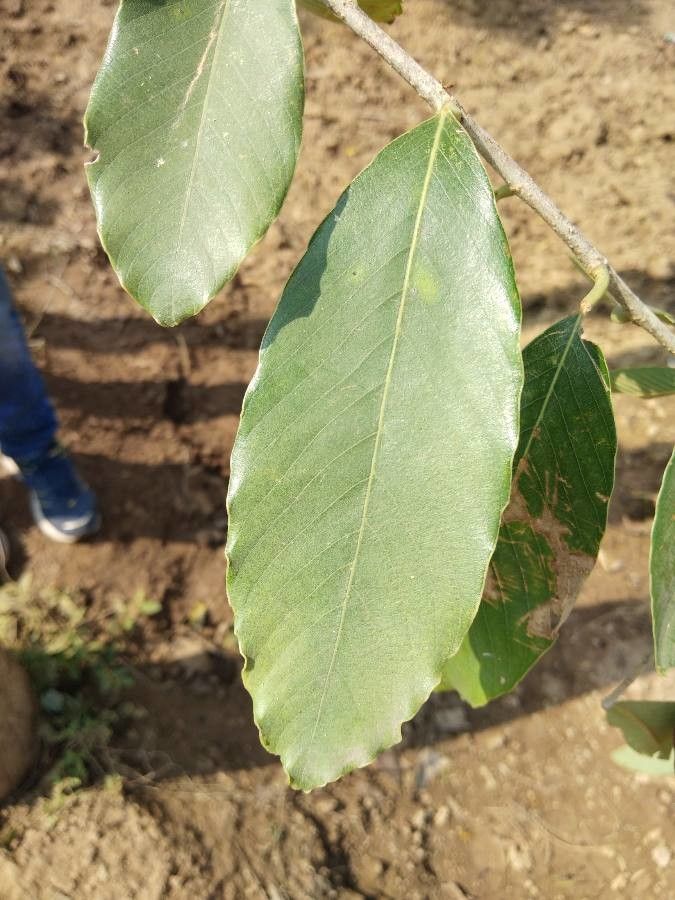
Unlocking the Secrets of the Ebony Green: Propagating Diospyros chloroxylon
The world of plants is filled with hidden gems, and the Diospyros chloroxylon, also known as the Ebony Green, is no exception. This evergreen tree, native to the Indian subcontinent, boasts vibrant green foliage and a majestic presence that can elevate any landscape. While admiring its beauty is one thing, learning to propagate this fascinating species opens a door to a rewarding and engaging experience.
While information on propagating the Ebony Green specifically is limited, we can rely on the typical methods used for the Diospyros genus. Here are two primary approaches:
1. Seed Propagation:
This method, while more time-consuming, offers a fulfilling journey from seed to sapling.
- Seed Collection: Source fresh seeds from mature Ebony Green fruits. These are typically berry-like and turn yellow or orange upon ripening.
- Seed Preparation: Clean the seeds by removing any fruit pulp and allow them to air dry for a day. A crucial step is scarification, which involves gently scratching or nicking the hard seed coat to improve water absorption and germination rates.
- Sowing: Plant the scarified seeds in a well-draining seed-starting mix. Ensure the pointed end of the seed faces downwards and is buried about an inch deep.
- Environmental Conditions: The seed tray should be kept moist but not waterlogged. Providing warm temperatures (around 70-75°F) and indirect sunlight will aid germination.
- Patience is Key: Germination can be slow, taking anywhere from a few weeks to several months. Once the seedlings emerge and develop a few true leaves, they can be transplanted into individual pots.
2. Cutting Propagation:
For those seeking quicker results, propagation through cuttings is a suitable option.
- Timing is Everything: The best time to take cuttings is during the plant’s active growing season, typically in late spring or early summer.
- Selecting the Cuttings: Choose healthy, semi-hardwood stems that are around 4-6 inches long. Ideally, these stems should be from the current year’s growth and show signs of new leaves.
- Preparing the Cutting: Remove the leaves from the lower half of the cutting. To further encourage root development, you can dip the cut end into rooting hormone powder, although not strictly necessary.
- Planting the Cutting: Insert the prepared cutting into a pot filled with a well-draining rooting medium like a mix of perlite and peat moss.
- Creating a Humid Environment: Moisture is vital for successful rooting. Cover the pot with a transparent plastic bag or use a humidity dome to create a greenhouse-like effect.
- Monitoring and Care: Place the cutting in a warm, shaded area, and maintain consistent moisture. Rooting can take several weeks. Once new growth appears, you can gradually acclimatize the cutting to outdoor conditions before transplanting it.
Words of Advice:
- Patience is your greatest asset when propagating the Ebony Green. Don’t be disheartened by slow progress.
- Experiment with both seed and cutting propagation to discover what works best in your environment.
- Research local nurseries or online resources to see if Ebony Green saplings are available in your area, as this might be a quicker and easier option for some.
Propagating any plant is a rewarding adventure that connects us to the natural world. By understanding the specific needs of the Ebony Green, you can successfully cultivate this captivating tree and contribute to its legacy for generations to come. So go ahead, unlock the secrets of the Ebony Green and witness the magic of propagation firsthand.