
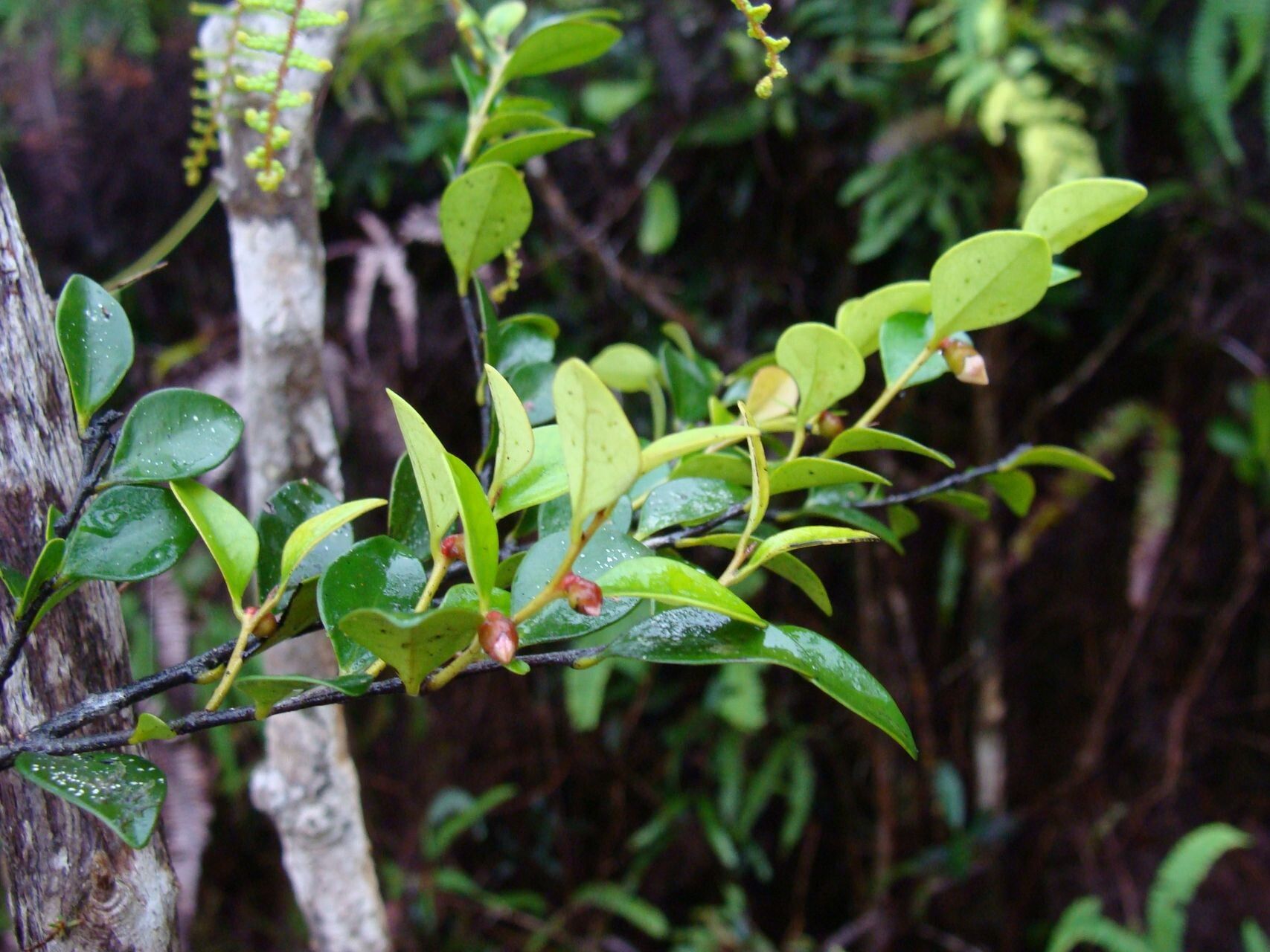
Unveiling the Secrets: How to Propagate the Delicious Diospyros Flavocarpa
The Diospyros flavocarpa, also known by its more pronounceable name, the Yellow Persimmon, is a tropical treasure. This Southeast Asian native enchants with its glossy foliage and produces small, sweet-tart fruits with a unique flavor profile. If you’re lucky enough to have encountered this gem and yearn to welcome it into your own garden, you’re in luck! Propagating Diospyros flavocarpa might seem like a secret art, but it’s completely achievable with a little guidance.
Two Paths to Persimmon Paradise:
While Diospyros flavocarpa can be a bit trickier to propagate than some common fruit trees, dedicated gardeners have two main options at their disposal:
1. Seed Propagation: A Journey of Patience and Reward
- Source your seeds: Fresh seeds extracted from ripe fruits offer the highest chance of success. Gently wash off any fruit pulp and let them air dry for a day or two before sowing.
- Prepare the seedbed: A well-draining seed starting mix is ideal. Plant the seeds about an inch deep in small pots or seed trays.
- Patience is key: Germination can be slow and erratic, taking anywhere from a few weeks to several months. Maintain a warm, humid environment, and ensure the soil stays consistently moist but not waterlogged.
- Nurturing the seedlings: Once germinated, provide your seedlings with ample bright, indirect light. Transplant them into larger containers as they grow, using a well-draining potting mix.
Pros:
- Relatively inexpensive and accessible if you have access to fresh seeds.
- Offers the potential for genetic diversity, which can be beneficial for long-term resilience.
Cons:
- Can be a slow and unpredictable process.
- Seed-grown trees may take longer to bear fruit compared to grafted varieties.
2. Grafting: A Shortcut to Fruitful Success
Grafting, while requiring a bit of finesse, offers a faster and more reliable method for propagating Diospyros flavocarpa:
- Choosing the right rootstock: Seedlings of Diospyros kaki (the common persimmon) are a popular and compatible choice for grafting Diospyros flavocarpa.
- Mastering the technique: Several grafting methods can be used, with cleft grafting and whip-and-tongue grafting being common choices. Online resources and hands-on workshops can help you master these techniques.
- Post-grafting care: Keep the grafted area securely wrapped and maintain a humid environment to promote successful fusion. Monitor the scion (the Diospyros flavocarpa portion) for signs of new growth, indicating a successful graft.
Pros:
- Faster route to fruit-bearing trees.
- Offers the opportunity to propagate specific cultivars with desirable traits.
Cons:
- Requires more specialized knowledge and practice.
- Sourcing suitable rootstock can be challenging depending on your location.
Nurturing Your Yellow Persimmon:
Regardless of the propagation method you choose, proper care is crucial for healthy Diospyros flavocarpa trees:
- Sunlight and Temperature: Provide your tree with at least 6 hours of direct sunlight daily. Being a tropical plant, it thrives in warm climates and may require protection from frost in cooler regions.
- Soil and Water: Well-draining soil is crucial. Water deeply but infrequently, allowing the soil to dry out slightly between waterings.
- Fertilization: Feed with a balanced fertilizer during the growing season to support healthy growth and fruit production.
With patience, care, and a sprinkle of green-thumb magic, you can unlock the joys of growing your very own Diospyros flavocarpa, adding a touch of exotic sweetness to your garden and your table for years to come.