
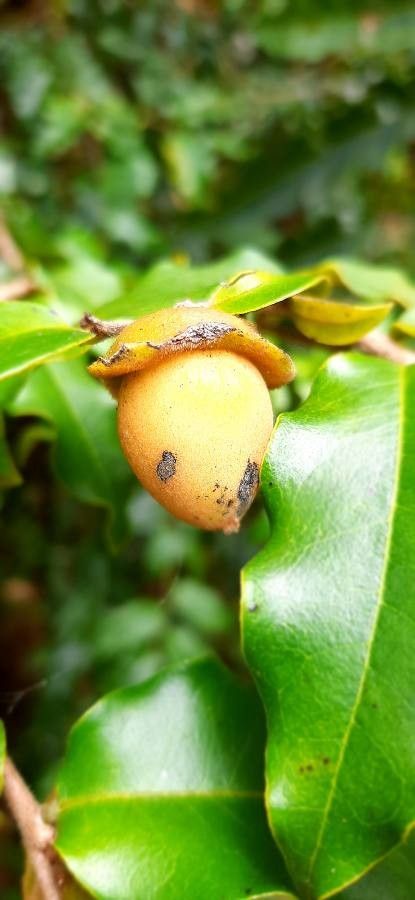
Unlocking the Mystery of Persimmon Propagation: How to Grow Your Own Diospyros Lotus
The common persimmon, with its vibrant orange fruits and unique flavor, is a beloved sight in many gardens. But did you know that a close relative, the Date-plum or Diospyros lotus, offers just as much ornamental and culinary potential? This lesser-known persimmon boasts attractive foliage, small but flavorful fruits, and remarkable hardiness. If you’re ready to embark on a rewarding horticultural journey, here’s how to successfully propagate your own Diospyros lotus:
Method 1: Sowing the Seeds of Success
Propagating Diospyros lotus from seed requires a bit of patience, but it’s a surprisingly achievable method:
- Fruit and Seed Collection: Harvest ripe fruits in the fall and carefully extract the seeds. Clean off any remaining fruit pulp to prevent fungal growth.
- Stratification for Success: Diospyros lotus seeds need a period of cold stratification to mimic natural winter conditions. Place the cleaned seeds in a moist medium like vermiculite or sand, seal them in a plastic bag, and store them in the refrigerator (around 4°C or 39°F) for 60-90 days.
- Sowing Time: Once the stratification period ends, sow the seeds in well-draining seed-starting mix. Plant them about 1 inch deep and keep the soil consistently moist but not waterlogged.
- Warmth and Patience: Place the seed trays in a warm, bright location, out of direct sunlight. Germination can be erratic and may take anywhere from a few weeks to a few months.
- Transplanting Triumph: When seedlings develop a few sets of true leaves, transplant them into individual pots with well-draining soil. Gradually acclimate them to outdoor conditions before planting them in their permanent location.
Method 2: Taking the Cutting Edge
Propagating from cuttings provides a faster route to mature plants:
- Timing is Key: Take semi-hardwood cuttings, which are slightly firm but not completely woody, in late spring or early summer.
- Cutting with Care: Choose healthy, vigorous shoots and make a clean cut below a leaf node, removing the lower leaves.
- Hormone Boost: Dip the cut end in rooting hormone powder to encourage faster root development.
- Creating the Right Environment: Plant the cuttings in a well-draining rooting medium, like a mixture of perlite and peat moss. Maintain humidity by covering the cuttings with a plastic bag or using a propagation dome.
- Patience and Observation: Place the cuttings in a warm, bright location, out of direct sunlight. Roots typically develop within 6-8 weeks.
- Potting Up Success: Once roots establish, transplant the cuttings into individual pots with well-draining soil.
A Few Final Tips for Flourishing Trees:
- Patience is a Virtue: Diospyros lotus is known for its slow growth rate. Be patient and don’t be discouraged if you don’t see rapid progress.
- Location, Location, Location: Choose a sunny or partially shaded location with fertile, well-drained soil for your Diospyros lotus.
- Regular Watering is Key: While drought-tolerant once established, consistent watering is essential, especially during the first few years.
Propagating Diospyros lotus might seem daunting at first, but with a bit of patience and the right techniques, you’ll be rewarded with these beautiful and unique trees. So why not give it a try? You might discover a new favorite addition to your garden and your plate.