
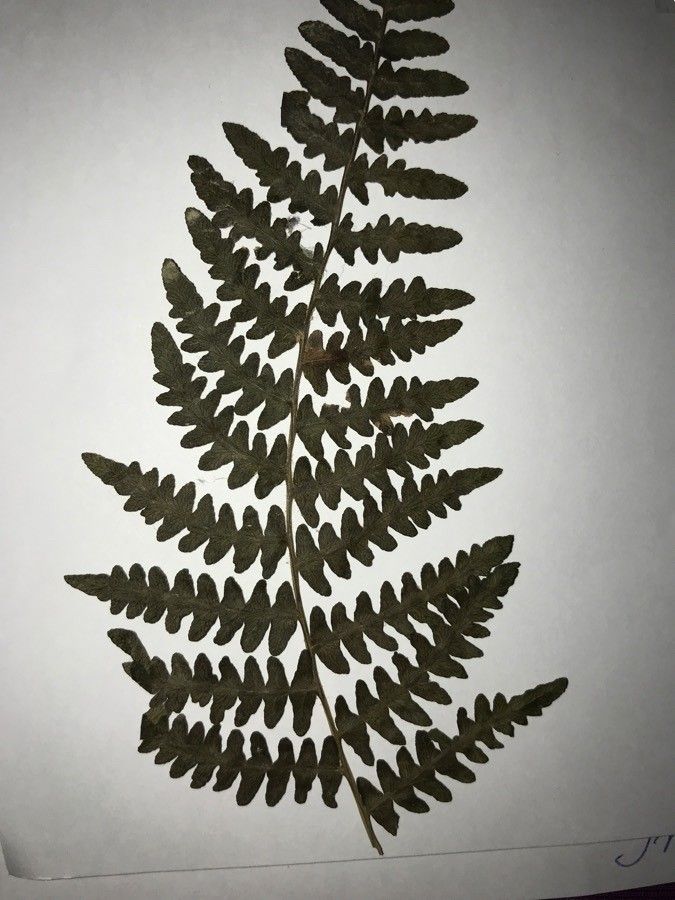
Unfurling New Life: Propagating Diplazium macrophyllum, the Giant Fern
The Diplazium macrophyllum, also known as the Giant Fern, is a stunningly beautiful plant with large, feathery fronds that can reach up to 6 feet tall. If you’re lucky enough to own one of these tropical beauties, you might be wondering how to expand your fern collection or share this wonder with others. The good news is, Diplazium macrophyllum can be propagated relatively easily through spores.
The Spore Story: A Fern’s Secret Weapon
Unlike many other plants that reproduce through seeds, ferns utilize spores for propagation. These tiny, dust-like particles are found on the underside of mature fronds in structures called sporangia. When these spores are dispersed, they can germinate under the right conditions and begin the process of growing into new ferns.
Getting Started with Spore Propagation
Propagating Diplazium macrophyllum from spores is a somewhat involved process, but it’s a fascinating one that allows you to witness the complete life cycle of this majestic fern.
Harvesting Spores: Identify mature fronds with brown or yellowing sporangia on the underside. Carefully remove these fronds and place them in a brown paper bag or airtight container. Let them dry for a few days. This will allow the spores to mature and become easier to collect.
Preparing the Spore Medium: The ideal growing medium for fern spores is a sterile, fine-textured mix. You can purchase a pre-made mix specifically for ferns, or create your own with equal parts peat moss, vermiculite, and perlite.
Sowing the Spores: Sterilize your containers and growing medium to prevent contamination. Fill containers with the spore mix, lightly press down, and gently sprinkle the spores evenly over the surface. Do not bury the spores.
Creating Optimal Conditions: Place the container in a warm, humid environment with indirect light. A clear plastic dome or a container covered with a clear plastic wrap can help maintain high humidity levels.
Patience is Key: Ferns take their time to germinate. Keep the soil consistently moist and check regularly for signs of new growth. It can take several weeks, or even months, for the spores to sprout. When they do, you’ll notice tiny, green prothalli, which are tiny, heart-shaped structures that will eventually produce gametes for fertilization.
- Thinning and Transplanting: As the prothalli grow, they may become overcrowded. You can thin them out by gently scraping off some with a sterilized knife. Once the gametophytes are established, they will develop tiny ferns, which can then be transplanted into individual pots.
Tips for Success:
- Sterility is paramount: Maintaining sterile conditions is critical to minimize the risk of fungal infections or mold growth.
- Consistent Moisture: Keep the soil moist at all times, but avoid overwatering.
- Patience: It may take several months for the spores to germinate and grow into noticeable fronds. Don’t give up!
Beyond Propagation:
Propagating Diplazium macrophyllum through spores is a challenging but rewarding experience. It allows you to witness the intricate life cycle of this beautiful plant and connect with nature in a unique way. Ultimately, the experience will give you a greater appreciation for this extraordinary fern and its resilience in the face of even the smallest beginnings.