
Propagating the Pink Hyacinth Orchid (Dipodium roseum): A Gardener’s Guide
Introduction:
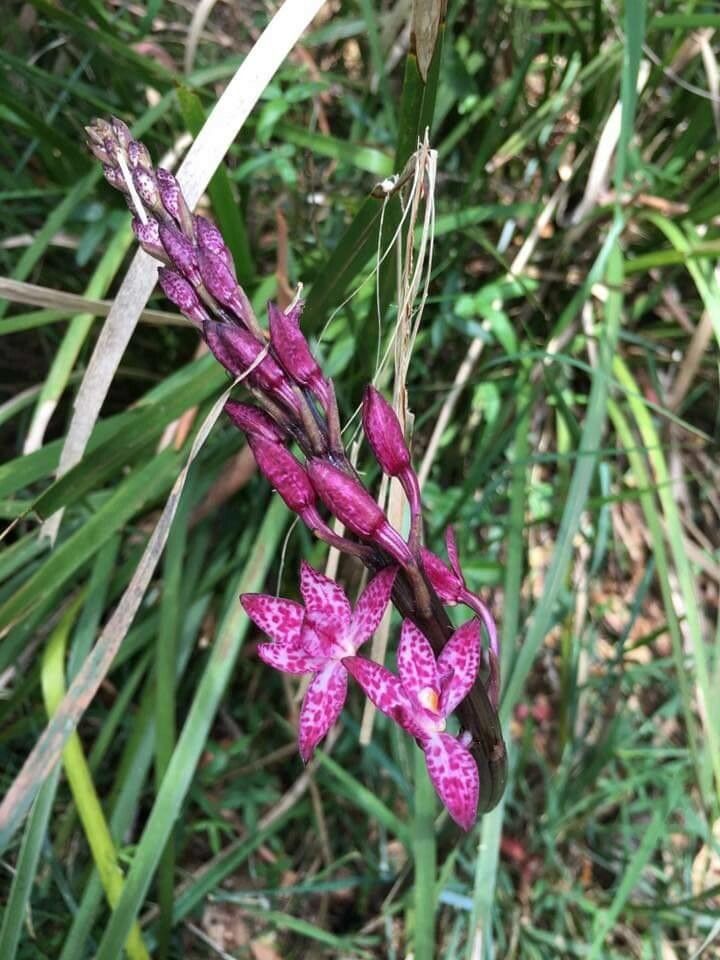
Dipodium roseum, commonly known as the Pink Hyacinth Orchid, is a striking terrestrial orchid native to Australia and surrounding regions. Its tall, unbranched inflorescence boasts numerous large, rosy-pink flowers, making it a highly sought-after addition to any orchid collection or native plant garden. However, its propagation presents unique challenges, captivating dedicated gardeners who appreciate the rewarding nature of cultivating this fascinating species. The plant’s mycorrhizal dependence adds a layer of complexity to its propagation, influencing the success rates of different techniques.
Seed Germination:
Currently, there are no known reliable methods for seed germination propagation of Dipodium roseum. The seeds of this orchid are extremely tiny and require a specific mycorrhizal fungal association for successful germination and establishment. This symbiotic relationship is difficult to replicate outside of its natural environment, rendering seed germination a largely impractical method for propagation.
Cuttings:
Cuttings are not a viable propagation method for Dipodium roseum. Unlike some other orchids, this species does not readily produce new plants from stem or rhizome cuttings. Attempts at vegetative propagation through cuttings are highly unlikely to succeed due to the plant’s specific physiological requirements and reliance on mycorrhizal fungi.
Division:
Division offers the most reliable method for propagating Dipodium roseum. This involves carefully separating established plants into smaller divisions, each containing a portion of the rhizome and associated roots.
Challenges: The success of division depends on the size and health of the parent plant. Dividing a plant that’s too small will weaken it, while dividing a very large plant can be challenging and damage the rhizome. Care must be taken to minimize damage to the delicate roots. The divided sections need to be replanted in a suitably moist, well-drained, and nutrient-rich environment mimicking its natural habitat, particularly in terms of soil type and moisture.
Practical Tips: Division is best undertaken during the dormant season to minimise stress on the plant. Use a clean, sharp knife or spade to divide the rhizome, ensuring each division has a healthy portion of rhizome and roots attached. Immediately replant the divisions to prevent dehydration. Careful handling is crucial.
Rewards: Division offers a faster way to increase the number of plants compared to other methods and maintains the genetic characteristics of the parent plant.
Tissue Culture:
Tissue culture offers a potential, albeit complex and specialized, method for Dipodium roseum propagation.
Challenges: Establishing a successful tissue culture protocol for this species requires significant expertise and resources. The appropriate nutrient media, growth regulators, and sterilisation techniques need careful consideration. Further complexities may arise from the involvement of the essential mycorrhizal fungi in successful growth.
Practical Tips: Sterile laboratory conditions are essential to prevent contamination. Developing a successful protocol often requires experimentation with different media formulations and growth conditions. Incorporating compatible mycorrhizal fungi into the culture medium could improve the success rates although this represents an additional challenge.
Rewards: Tissue culture offers the potential for large-scale propagation, producing a high number of plants from a single parent plant. It’s also ideal for preserving genetic diversity.
Conclusion:
Propagating Dipodium roseum presents significant horticultural challenges. While division currently represents the most practical method, its success is dependent on careful technique and understanding of the plant’s needs. Seed germination and cuttings are currently not viable. Tissue culture offers future potential but comes with complexities in terms of resource and expertise requirements. The unique rewards of successfully propagating this stunning orchid, however, outweigh the challenges. The satisfaction of cultivating a healthy, blossoming Dipodium roseum from a division, or potentially through future advances in tissue culture, is a testament to the patience and dedication of the grower. For aspiring propagators, starting with division using healthy, mature plants is strongly recommended. Through careful observation, good technique, and some patience, the beauty of this native Australian orchid can enrich your garden and be shared with others.