
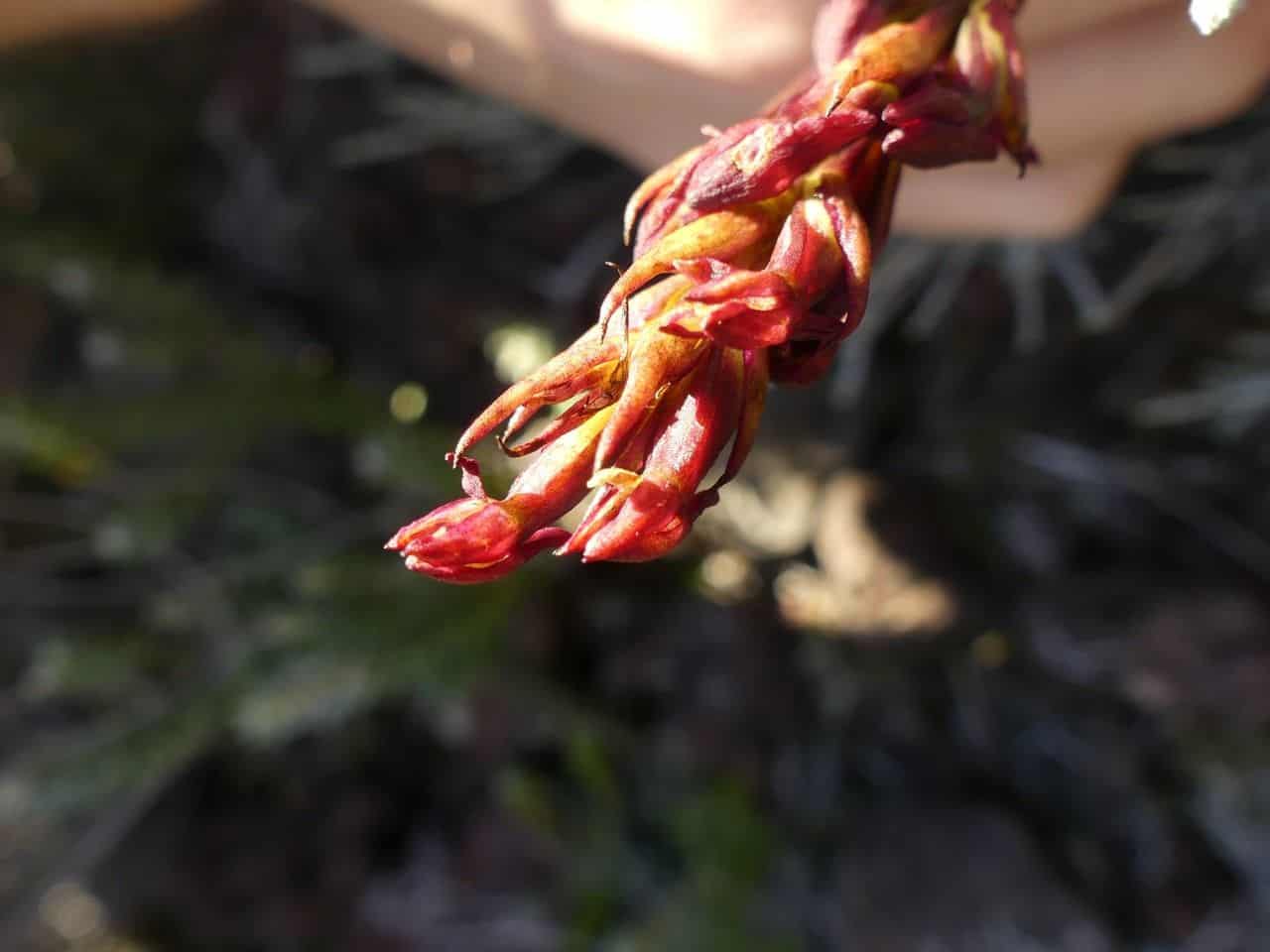
Unveiling the Secrets of Disa borbonica Propagation: From Flask to Flower
The "Pride of Table Mountain", Disa borbonica, with its vibrant scarlet blooms and intricate beauty, is a sight to behold. This terrestrial orchid, endemic to the fynbos region of South Africa, has captured the hearts of orchid enthusiasts worldwide. Yet, cultivating this majestic species is not for the faint of heart. Propagation, in particular, requires patience, skill, and a touch of scientific curiosity. Let’s delve into the fascinating world of Disa borbonica propagation and uncover the secrets to success.
Seeds of Potential: The Flask is Your Canvas
The journey begins with seeds, but not the kind you’d typically sow in soil. Disa borbonica seeds are incredibly tiny, lacking the usual endosperm that provides nutrients for germination. Propagation therefore relies on a specialized technique called "asymbiotic germination."
This method involves creating a sterile, nutrient-rich medium in a flask or jar. This "artificial endosperm" provides the necessary sustenance for the seeds to germinate and develop into protocorms, the earliest stage of orchid growth.
The process, while rewarding, requires meticulous attention to detail:
- Sterilization is Key: Everything, from the flask to the medium to the seeds themselves, must be sterilized to prevent contamination from fungi or bacteria.
- Nutrient Balance: The medium’s composition is crucial, mimicking the ideal nutrient profile for Disa borbonica.
- Patience is a Virtue: Germination can take several weeks to months, with the protocorms slowly developing into tiny plantlets.
From Flask to Freedom: Deflasking and Beyond
Once the plantlets have developed a few leaves and a strong root system, it’s time for "deflasking" – carefully removing them from their sterile environment.
This transition is critical, as the plantlets need to acclimatize to a less controlled environment. A humid, well-lit space, away from direct sunlight, is ideal. A fine-grade bark mix, similar to that used for other terrestrial orchids, provides good drainage and aeration.
Continued care is essential for successful establishment:
- Watering: Maintain consistent moisture, but avoid waterlogging.
- Humidity: Replicate the high humidity of the fynbos region with regular misting or a humidity tray.
- Temperature: Aim for a cool to intermediate temperature range, avoiding extreme fluctuations.
Patience Yields Rewards: The Blossom of Success
With consistent care, your Disa borbonica will mature and eventually reward you with its spectacular blooms. It may take several years from seed to flower, but the journey is just as rewarding as the destination.
Propagating Disa borbonica is not without its challenges, but the process offers a unique opportunity to witness the miracle of life unfolding. From microscopic seeds to magnificent flowers, you become an active participant in the plant’s journey, nurturing its growth and celebrating its triumphs. With dedication and a dash of scientific spirit, you too can experience the joy of propagating this captivating orchid.