
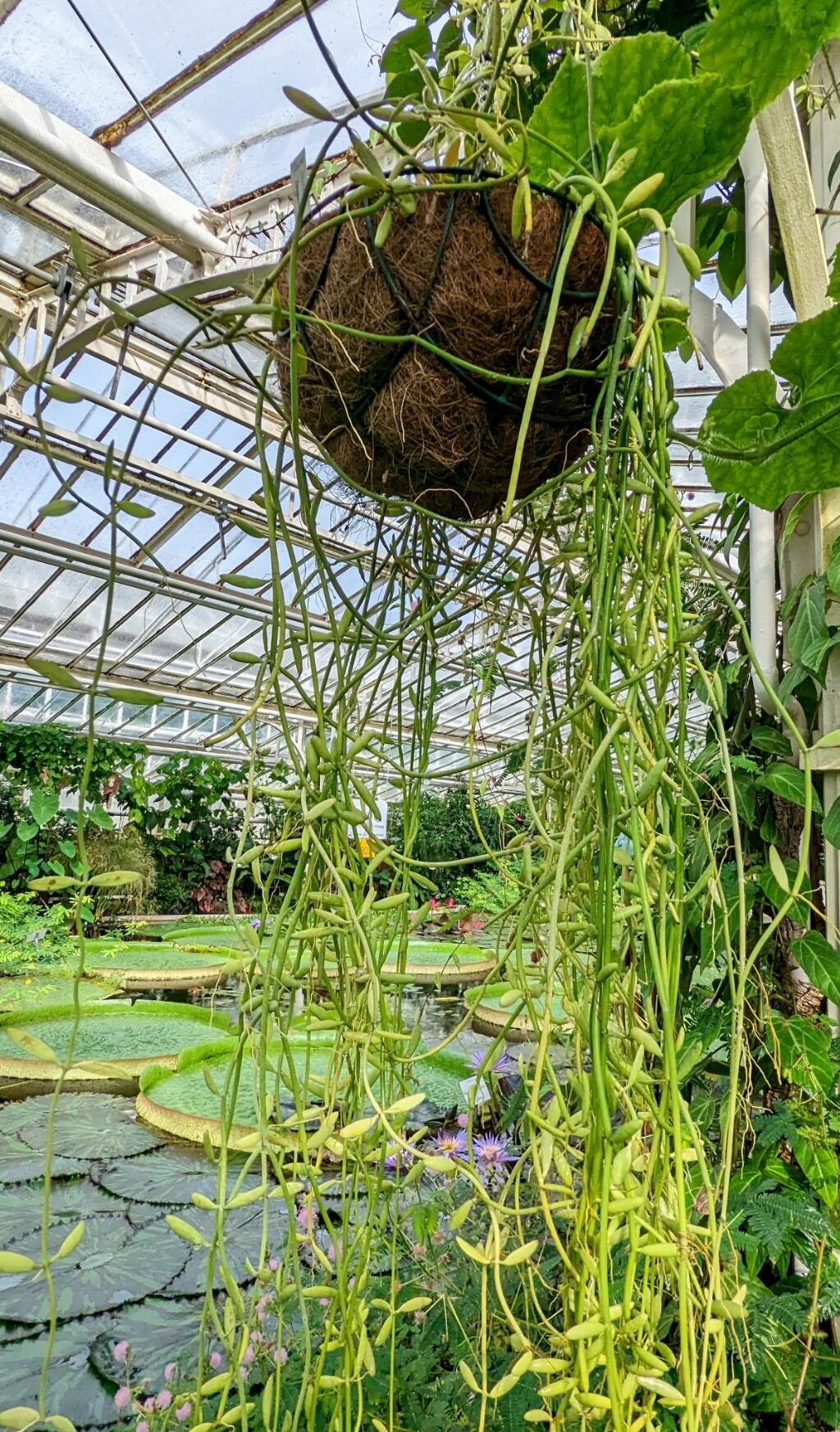
Propagating Dischidia bengalensis: A Gardener’s Guide
Dischidia bengalensis, also known as the "Bengal Dischidia," is a captivating epiphytic plant belonging to the Asclepiadaceae family. This intriguing vine, prized for its succulent, hollow leaves and delicate, star-shaped flowers, has gained significant popularity among indoor plant enthusiasts. Its unique adaptation to grow on host trees and its relatively low maintenance requirements make it a desirable addition to any plant collection. Propagating Dischidia bengalensis, however, presents its own set of challenges, making successful cultivation all the more rewarding.
Seed Germination:
Currently, there are no known reliable methods for seed germination propagation of Dischidia bengalensis. While the plant produces seeds, their viability and germination rate under typical horticultural conditions are exceptionally low, if not nonexistent. Further research is needed to determine if specific germination requirements, such as hormonal treatments or specialized conditions, could improve success.
Cuttings:
Propagating Dischidia bengalensis through stem cuttings is the most commonly used and often successful approach.
Challenges: Cuttings can be slow to root, and rot is a significant risk if conditions are too humid or the cutting is not properly prepared.
Practical Tips: Take 4-6 inch long stem cuttings, ensuring each has at least 2-3 nodes. Remove lower leaves to prevent rot. Allow cuttings to callous over for a few days before planting in a well-draining mix (e.g., sphagnum moss or a perlite and peat moss blend). Maintain high humidity (e.g., using a humidity dome or propagator) and warmth (75-85°F). Root development can take several weeks to months.
Rewards: This method offers a relatively straightforward way to increase the number of plants and is easily replicated.
Division:
Division is another viable propagation method for Dischidia bengalensis, especially for well-established, larger specimens.
Challenges: Care must be taken to avoid damaging the delicate roots during division. Smaller divisions may require more careful attention to ensure they establish themselves effectively.
Practical Tips: Gently remove the plant from its pot and carefully separate the rootball into smaller sections, ensuring each division has a sufficient number of roots and stems. Replant each division in its own pot using a well-draining potting mix. Water sparingly until new growth emerges.
Rewards: This method is relatively quick and ensures the creation of mature plants more rapidly than cuttings.
Tissue Culture:
Tissue culture offers the potential for large-scale propagation of Dischidia bengalensis, but it requires specialized equipment, sterile conditions, and expertise in plant tissue culture techniques.
Challenges: Establishing a sterile environment and obtaining suitable growth media are crucial for success. This method involves considerable time investment and specialized knowledge.
Practical Tips: This method is best left to experienced plant tissue culturists familiar with orchid or other epiphytic plant propagation.
Rewards: Tissue culture offers the potential for faster and more efficient propagation, ensuring large numbers of genetically identical plants.
Conclusion:
Propagating Dischidia bengalensis presents distinct challenges depending on the chosen method. While seed propagation is currently impractical, cuttings and division offer viable options for home gardeners with varying levels of experience. Tissue culture remains a promising avenue for large-scale propagation but requires specialized skills and equipment. The inherent difficulties involved, however, only magnify the sense of accomplishment derived from successfully cultivating this captivating plant. Patience, attention to detail, and a willingness to experiment are essential for success. For aspiring propagators, starting with stem cuttings provides a readily accessible and rewarding entry point into the fascinating world of Dischidia propagation. Remember, even small successes are significant milestones in this journey.