
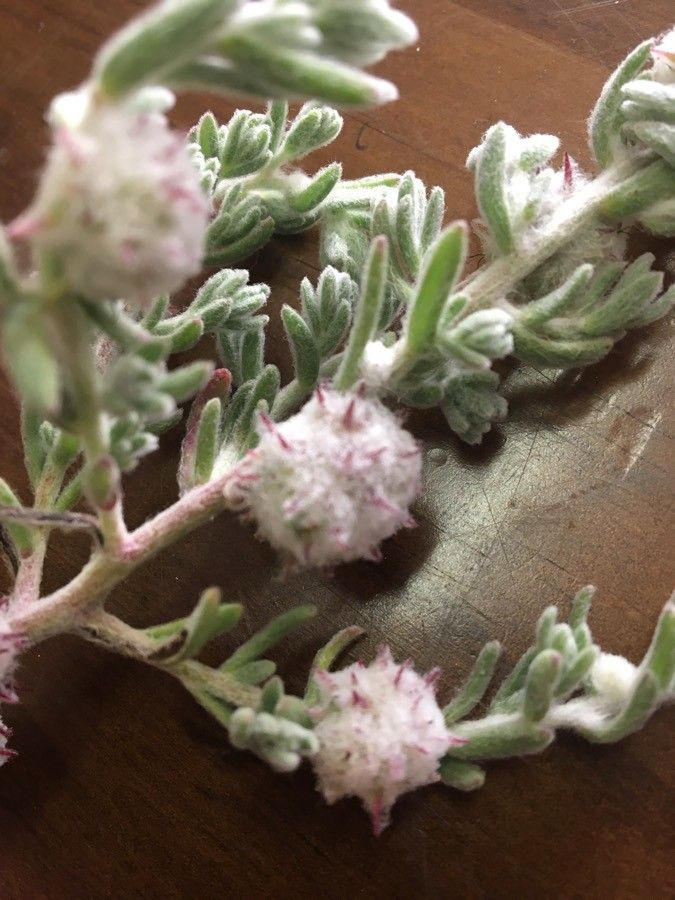
Cracking the Code: Unlocking the Secrets of Dissocarpus Paradoxus Propagation
Dissocarpus paradoxus, with its quirky name and even more intriguing seed pods, is a captivating addition to any garden that appreciates unique foliage and a touch of the Australian outback. But if you’re eager to multiply your Dissocarpus bounty, you might find its propagation methods a bit, well, paradoxical.
Don’t worry, you don’t need to be a botanical wizard to crack the code! This guide will walk you through the ins and outs of cultivating new Dissocarpus paradoxus plants, from seed to success.
Method 1: The Seed Route (With a Twist!)
The most common path to propagation is through seeds, but Dissocarpus likes to keep things interesting. The seeds are housed within tough, woody fruits that resemble miniature ninja stars. These pods are notoriously difficult to open, often requiring a bit of muscle (and patience!).
Here’s how to tackle seed extraction:
- Collect Mature Fruits: Look for brown, dry pods on the plant.
- Patience is Key: Allow the pods to dry completely in a well-ventilated area for several weeks. This makes opening them slightly easier.
- Gentle Persuasion: Use a small hammer or pliers to carefully crack open the pods. Be careful not to damage the seeds inside.
- Seed Selection: Not all seeds within a pod might be viable. Look for plump, dark-colored seeds.
Sowing the Seeds:
- Well-Draining Soil: Dissocarpus thrives in loose, well-draining soil. A seed-starting mix or a blend of peat moss, perlite, and sand works well.
- Shallow Planting: Sow seeds on the surface of the soil and lightly press them in, ensuring they are not buried deeply.
- Bright, Indirect Light: Place the seed tray in a bright location, but avoid direct sunlight that can scorch the delicate seedlings.
- Keep it Moist (Not Soggy): Water the soil gently, avoiding overwatering.
- Patience, Young Padawan: Germination can be erratic and may take anywhere from a few weeks to several months. Don’t lose hope if they don’t sprout right away.
Method 2: Taking it from the Top (Cuttings)
While not as common as seed propagation, Dissocarpus paradoxus can be propagated from cuttings. This method is particularly useful if you want to ensure you’re replicating a specific plant’s characteristics.
Here’s how to try your hand at cuttings:
- Timing is Everything: Spring or early summer, when the plant is actively growing, offers the best chance of success.
- Select Healthy Stems: Choose stems that are firm and free from damage.
- Take the Plunge: Using a sharp, sterilized knife or pruning shears, take cuttings that are about 4-6 inches long. Make the cut just below a node (where the leaves emerge).
- Hormone Boost (Optional): Dipping the cut end in rooting hormone can encourage faster root development.
- Potting Mix Magic: Plant the cuttings in a well-draining mix, ensuring at least one node is buried beneath the soil.
- Humidity is Key: Cover the pot with a plastic bag or place it in a humidity dome to create a greenhouse-like environment.
- Light and Water: Provide bright, indirect light and keep the soil consistently moist.
- Root Check: After a few weeks, gently tug on the cuttings. If you feel resistance, roots are starting to form.
Propagating Dissocarpus paradoxus might require a bit of extra effort, but the reward of seeing these unique plants thrive is well worth it! So, put on your gardening gloves, embrace the challenge, and get ready to expand your collection of these botanical oddities.