
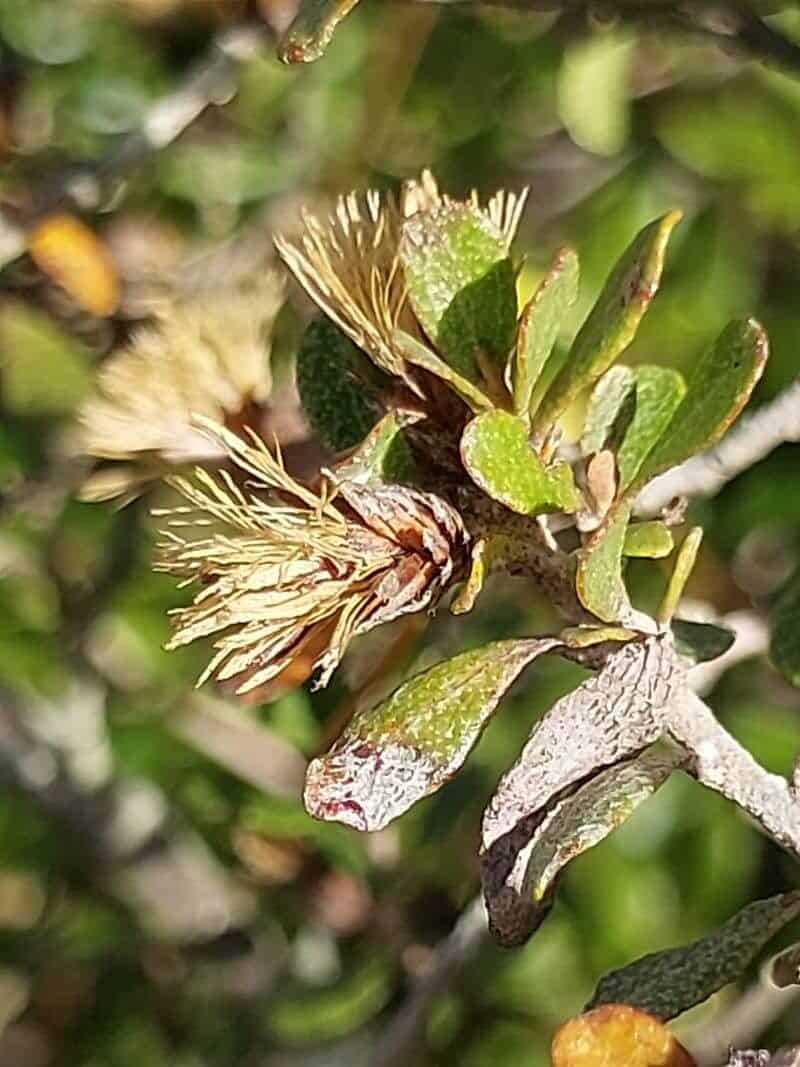
Unlocking the Secrets of Distephanus Trinervis Propagation: Grow Your Own Majestic Daisy Bush!
The Distephanus trinervis, also known as the Ribbon Bush or Pale-flowered Daisy Bush, isn’t just a mouthful to say – it’s a stunning plant that captivates with its silver-green foliage and delicate, pale pink blooms. Native to South Africa, this evergreen shrub adds a touch of wild beauty and texture to any garden. Ready to invite this unique beauty into your own outdoor space? Let’s unlock the secrets of propagating Distephanus trinervis!
Two Paths to Propagation:
While seeds are an option, Distephanus trinervis is most commonly propagated through cuttings, offering a higher success rate and quicker results.
1. The Cutting Edge: Propagating with Stem Cuttings
- Timing is Key: The optimal time to take cuttings is during the plant’s active growing season, ideally in spring or early summer.
- Choosing the Perfect Cut: Look for healthy, non-flowering stems. Select a section about 4-6 inches long, making a clean cut just below a leaf node (the bump where a leaf emerges).
- Preparing the Cutting: Remove the lower leaves, leaving 2-3 pairs at the top. Dip the cut end in rooting hormone powder to encourage root development (optional, but helpful).
- Planting the Cutting: Use a well-draining potting mix, either a dedicated seed starting mix or a blend of peat moss and perlite. Make a hole with a pencil and gently insert the cutting, ensuring the leaf nodes are buried.
- Creating the Ideal Environment: Water thoroughly and cover the pot with a clear plastic bag or humidity dome. This helps retain moisture and mimics greenhouse conditions. Place the pot in a bright location, but out of direct sunlight.
- Patience is a Virtue: Rooting can take several weeks. Check the soil moisture regularly, misting it if needed to prevent drying out. Once you see new growth, it’s a sign your cutting has rooted!
2. The Seed Route: A More Challenging Endeavor
- Sourcing Seeds: Distephanus trinervis seeds can be a bit tricky to find. Check online specialty retailers or consider collecting seeds from existing plants (ensure they are fully mature).
- Sowing the Seeds: Use a seed starting mix and lightly press the seeds onto the surface. Cover them with a thin layer of vermiculite or the seed starting mix.
- Light and Warmth: Place the seed tray in a bright location (avoid direct sunlight) with temperatures around 70-75°F.
- Maintaining Moisture: Use a spray bottle to mist the soil regularly, keeping it evenly moist but not waterlogged.
- Germination Time: Be patient, as germination can be slow and sporadic, taking anywhere from a few weeks to a couple of months.
Transplanting Your Success:
Once your cuttings have developed a good root system (gently tugging and feeling resistance) or your seedlings have grown a few inches tall, it’s time to transplant them into individual pots or directly into your garden. Choose a location with well-drained soil and full sun to partial shade.
Propagating Distephanus trinervis may require a bit of effort, but the reward of seeing new life flourish from cuttings or seeds is truly fulfilling. With the right knowledge and a touch of green thumb love, you’ll be well on your way to growing your own flourishing display of these fascinating, floral beauties!