
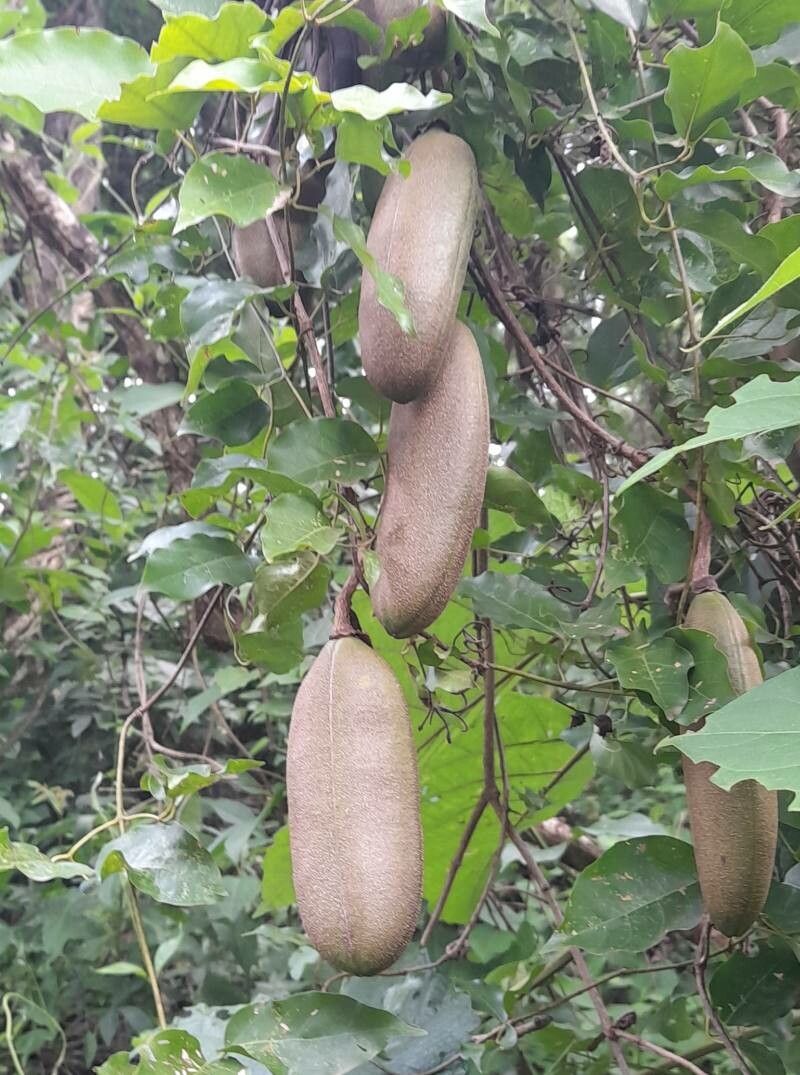
From Climber to Clones: Mastering the Art of Propagating Dolichandra quadrivalvis (Trumpet Vine)
Dolichandra quadrivalvis, better known as the Trumpet Vine, is a fast-growing, vigorous vine that thrives in warm climates. Its striking trumpet-shaped flowers, which come in shades of orange, yellow, and red, add a burst of vibrant color to any garden. But this beauty isn’t just for admiring – it’s also remarkably easy to propagate, allowing you to share its splendor with loved ones or fill your own garden with more of these delightful climbers.
The Power of Propagation:
Propagation, essentially creating new plants from existing ones, offers several benefits over buying them from nurseries. It’s cost-effective, allowing you to multiply your plants without breaking the bank. It also introduces you to the fascinating world of plant biology and gives you a deeper connection to your garden. Plus, it’s a rewarding experience that brings the joy of seeing life spring forth from your own efforts.
Methods for Trumpeting Success:
Dolichandra quadrivalvis can be propagated using two primary methods:
- Stem Cuttings: This is the most popular and straightforward way.
- Choose your cuttings: Cut 6-8 inches long sections from healthy, mature stems with at least two nodes (the points where leaves and buds grow).
- Prepare the cutting: Remove the leaves from the bottom inch or two and apply a rooting hormone (optional).
- Plant in a rooting medium: Use a well-draining mix like vermiculite, perlite, or a seedling mix. Insert the cutting about an inch deep, making sure the nodes are buried.
- Maintain humidity and warmth: A humidity dome or plastic bag placed over the pot will create a warm, moist environment favorable for root development. Keep the rooting medium moist, but not soggy.
- Patience is key: It may take several weeks for roots to form. Avoid disturbing the cuttings during this critical period.
- Air Layering: This method is particularly effective for larger plants.
- Select a stem: Choose a healthy, one-year-old stem near the base of the plant.
- Girdling: Carefully scrape a 1-inch strip of bark from the stem, exposing the cambium layer.
- Apply rooting hormone: Apply a rooting hormone to the exposed area.
- Wrap the stem: Wrap the girdled area with damp sphagnum moss, secured with plastic wrap.
- Maintain moisture: Keep the sphagnum moss moist and check regularly for root development.
- Sever and plant: Once roots have formed (usually within a few months), sever the rooted section below the wrap and plant it in a pot.
Success Tips for Thriving Trumpet Vines:
- Timing is everything: The best time to take cuttings is in early spring or late summer when the plant is actively growing.
- Bright, indirect light: Provide cuttings with bright, indirect light, avoiding direct sunlight that can scorch them.
- Maintain a consistent moisture level: Keep the rooting medium evenly moist, but not waterlogged.
- Observe for root development: Carefully check the cuttings for signs of new growth, indicating root formation.
Sharing the Joy (and Vines):
Once your cuttings or air layers have established roots and are growing strong, you can pot them into larger containers or plant them directly in the ground. Sharing these new vines with friends and family becomes a delightful way to spread the beauty and joy of Trumpet Vines.
With a little patience and care, you can easily propagate Dolichandra quadrivalvis and create a vibrant tapestry of blooms in your garden or share its splendor with others. So, grab your clippers, embrace the joy of propagation, and watch your Trumpet Vines flourish!