
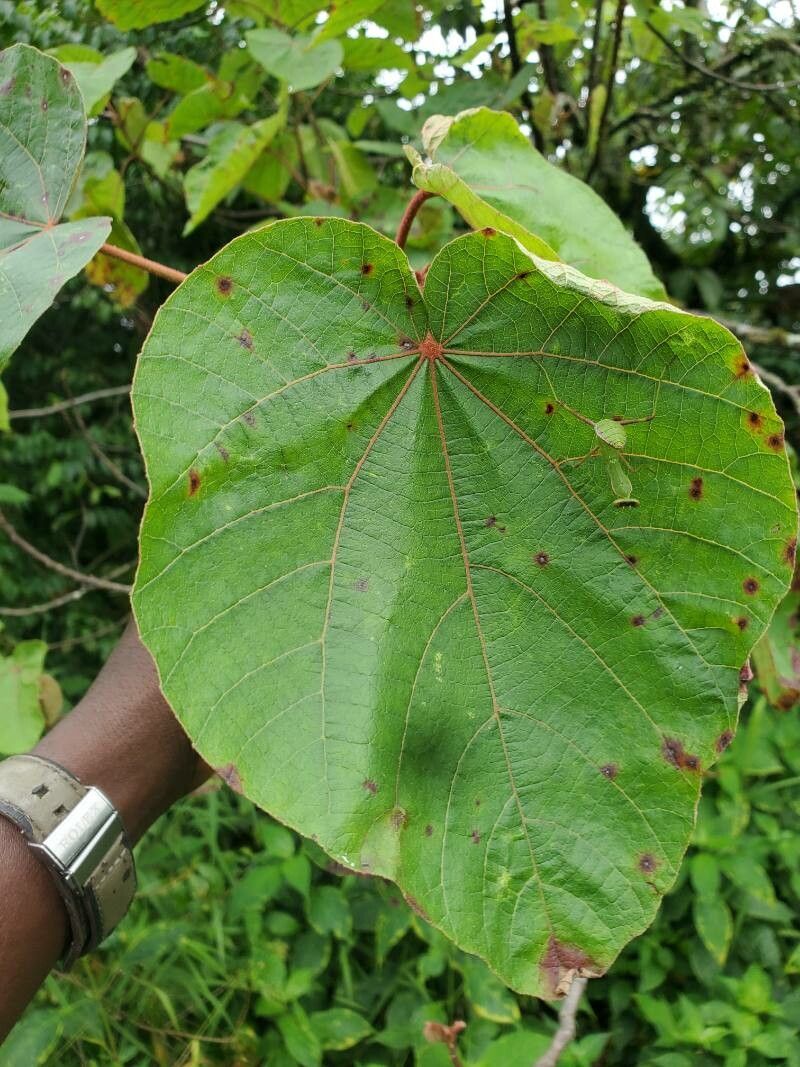
Unveiling the Secrets of Dombeya Ledermannii Propagation: A Guide to Growing Tropical Beauty
Dombeya ledermannii, with its captivating clusters of pink flowers resembling fluffy pompoms, is a sight to behold. Native to the tropical regions of Africa, this evergreen shrub, also known as the Pink Dombeya or Tropical Hydrangea, can transform your garden into an exotic oasis. But how do you propagate this beauty and share its charm? Let’s delve into the successful propagation techniques for Dombeya ledermannii.
Two Paths to Propagation: Seeds vs. Cuttings
Dombeya ledermannii can be propagated through two primary methods: seeds and cuttings. Each has its pros and cons, giving you options depending on your preference and resources.
1. Seed Propagation: Embracing the Element of Surprise
Propagating Dombeya ledermannii from seeds is an adventure. While it requires a bit more patience, it offers the excitement of witnessing a plant grow from its very beginnings.
- Seed Collection: Collect ripe seed pods directly from a mature Dombeya ledermannii plant. These pods typically turn brown and dry when ready.
- Seed Preparation: Gently open the pods to reveal small, often hairy, seeds. You can lightly scarify the seeds (nick the outer layer) to improve germination rates.
- Sowing: Sow the seeds in a well-draining seed-starting mix, lightly covering them with soil.
- Environment: Provide warmth (around 70-75°F) and consistent moisture. A humidity dome or clear plastic wrap over the seed tray can help maintain the required humidity levels.
- Germination: Be patient, as germination can take several weeks to a few months.
Pros:
- A rewarding experience for plant enthusiasts.
- Potential for genetic diversity in new plants.
Cons:
- Slower process than propagation from cuttings.
- Germination rates can be variable.
2. Cuttings: The Path of Proven Success
Propagating Dombeya ledermannii from cuttings offers a quicker and often more reliable method.
- Timing is Key: The optimal time to take cuttings is during the plant’s active growing season, typically in spring or early summer.
- Selecting Cuttings: Choose healthy, semi-hardwood stems that are about 4-6 inches long.
- Preparing Cuttings: Remove the leaves from the lower half of the cutting and make a clean cut just below a leaf node (where the leaf attaches to the stem).
- Rooting Hormone (Optional): While not essential, dipping the cut end in rooting hormone can encourage faster root development.
- Planting: Plant the cuttings in a well-draining potting mix.
- Environment: Place the cuttings in a warm, brightly lit location, but out of direct sunlight.
- Moisture: Consistent moisture is crucial. You can cover the pot with a clear plastic bag to create a humid environment, ensuring the bag doesn’t touch the cuttings.
Pros:
- Faster results compared to seed propagation.
- Higher success rates.
- Preserves the characteristics of the parent plant.
Cons:
- Requires access to a healthy mother plant.
Patience is Key: Nurturing Your New Dombeya Ledermannii
Regardless of the propagation method you choose, be prepared to provide consistent care and patience. Once your new Dombeya ledermannii plants develop a strong root system and show consistent growth, you can gradually acclimate them to outdoor conditions (if desired) and transplant them into larger pots or your garden.
By following these propagation techniques, you can cultivate captivating Dombeya ledermannii plants and enjoy the beauty of their vibrant pink blooms for years to come. Happy gardening!