
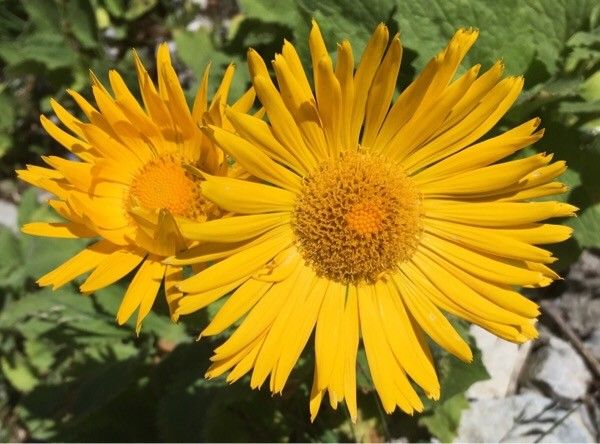
From One to Many: Propagating the Cheerful Doronicum grandiflorum
The sight of vibrant yellow blooms peeking through the early spring garden is a welcome sight, and the Doronicum grandiflorum, commonly known as the Leopard’s Bane, is a surefire way to brighten those early days. This cheerful perennial offers a long-lasting display of sunny yellow daisy-like flowers, making it a favorite among gardeners. But did you know you can easily share the joy of this magnificent plant by propagating it yourself?
The beauty of Doronicum grandiflorum lies not only in its vibrant blooms but also in its ease of propagation. Whether you want to fill your garden with more cheerful yellow, share the bounty with fellow gardening enthusiasts, or simply enjoy the rewarding experience of nurturing new life, propagation opens up a world of possibilities.
Methods for a Floral Explosion:
Doronicum grandiflorum can be readily propagated using two popular methods:
- Division: This method is best performed in early spring or late summer when the plant is actively growing but not in full bloom. Gently dig around the base of the plant and carefully separate the clump into smaller divisions, each with healthy roots and at least one growth bud. Plant the divisions immediately in a well-prepared bed or pot, ensuring proper spacing for future growth.
- Seed Propagation: Collect the mature seed heads from the plant after flowering. Let the seed heads dry completely in a warm, dry area. Then, sow the seeds directly into the garden bed or in small pots filled with seed-starting mix. Keep the soil consistently moist and cover the sown area with a thin layer of vermiculite or potting mix. Seeds typically germinate within a few weeks.
Nurturing Your New Plants:
Once you’ve propagated your Doronicum, it’s important to provide them with the necessary care for thriving growth:
- Sunlight: Doronicum grandiflorum thrives in partial shade to full sun. Choose a spot that receives at least four hours of sunlight a day for optimal growth.
- Soil: Well-drained, fertile soil is ideal. If your soil is heavy, consider amending it with compost or peat moss to improve drainage.
- Watering: Keep the soil consistently moist but not soggy. Water deeply but infrequently, allowing the top inch of soil to dry out between watering.
- Fertilizing: Fertilize your plants with a general-purpose fertilizer in spring to encourage healthy growth and abundant blooms.
Tips for Success:
- Time is Key: The best time to propagate Doronicum is in spring or summer when the plant is actively growing.
- Sharp Tools: Use a sharp knife or trowel to cleanly divide the plant to minimize damage.
- Regular Maintenance: Keep an eye out for any signs of pests or disease, and take appropriate measures to address them promptly.
- Patient Patience: Propagation can take some time. Don’t be discouraged if you don’t see results immediately.
From Sunny Spot to Overflowing Beds:
Propagating Doronicum grandiflorum is a rewarding experience, allowing you to enjoy the vibrant blooms of this cheerful perennial for years to come. Whether you choose division or seed propagation, remember to provide the proper care and let your green thumb do the rest. Explore these techniques and watch as your garden bursts with a vibrant sea of yellow, spreading the joy of this extraordinary plant far and wide.