
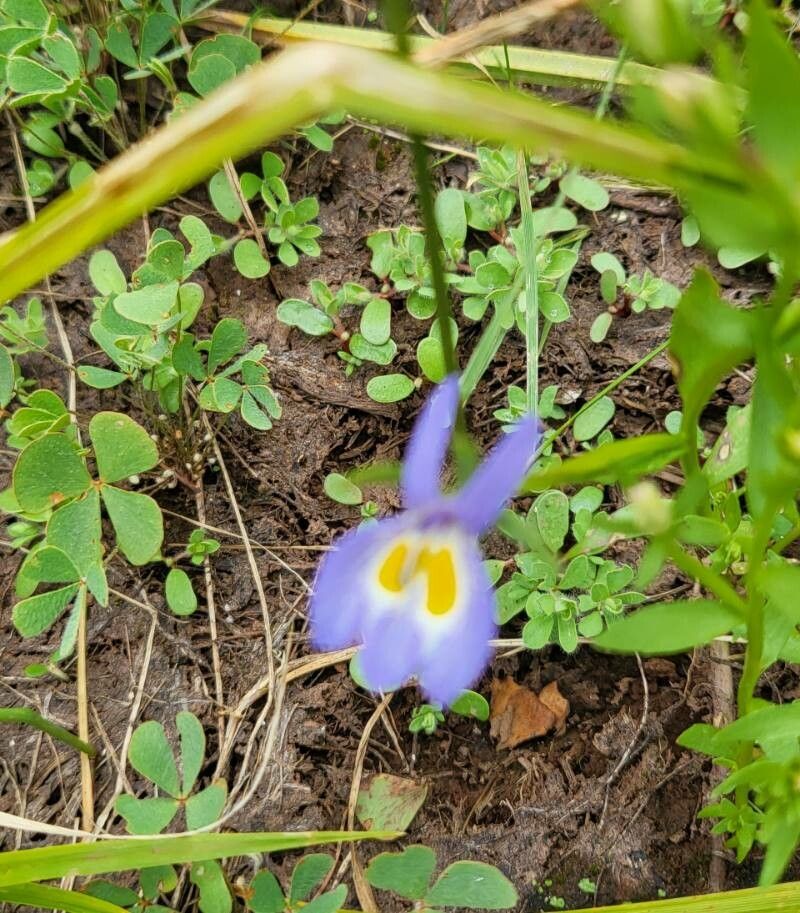
Unveiling the Secrets of Downingia Insignis: A Guide to Propagation
Downingia insignis, also known as the Great Basin Downingia, is a stunning wildflower native to western North America. Known for its captivating blue, purple, and white blooms that resemble tiny orchids, this annual wildflower can add a touch of delicate beauty to any garden. If you’re hoping to invite this striking plant into your outdoor space, propagation is key – and thankfully, easier than its elegant appearance might suggest!
Seeds: Your Ticket to Downingia Delights
Downingia insignis is most commonly propagated from seeds. Here’s how to make it happen:
- Seed Collection: The ideal time to collect Downingia insignis seeds is in the late summer or early fall. Look for the small, capsule-like fruits that form after the flowers fade. Clip these capsules off the plant and allow them to dry completely in a cool, dry place.
- Sowing Indoors: For earlier blooms, start your seeds indoors about 6-8 weeks before the last expected frost. Sprinkle the tiny seeds over a seed-starting mix and gently press them into the surface. Keep the soil consistently moist and place the tray in a bright location, out of direct sunlight.
- Direct Sowing: You can also direct sow Downingia insignis seeds in your garden after the danger of frost has passed. Prepare a bed with well-draining soil and sprinkle the seeds over the surface. Don’t bury them; just lightly tamp them down to ensure good contact with the soil.
- Water Wisely: Downingia insignis seeds need light to germinate, so avoid burying them too deeply. Keep the soil consistently moist but not waterlogged. Once the seedlings emerge (usually within 10-14 days), thin them out to give them space to grow.
Optimal Growing Conditions
To give your Downingia insignis the best chance of success, keep these growing preferences in mind:
- Sunlight: These beauties thrive in full sun to partial shade. Aim for at least 6 hours of sunlight per day.
- Soil: Downingia insignis prefers moist, well-draining soil. Consider adding compost to improve drainage and fertility.
- Water: While this wildflower appreciates moist soil, it is important to avoid overwatering. Allow the soil to dry slightly between waterings.
- Climate: Downingia insignis flourishes in cooler temperatures and is hardy in USDA Hardiness Zones 3-9.
Bringing the Beauty Back Year After Year
One of the great things about Downingia insignis is its ability to readily reseed. If you allow a few flowers to go to seed, they will naturally scatter their bounty, ensuring a new generation of blooms the following year. Alternatively, you can collect seeds from your favorite plants and sow them again the next season.
A Little Effort, Abundant Rewards
Propagating Downingia insignis may require a touch of patience and care, but the rewards are well worth the effort. With its vibrant hues and unique floral structure, this easy-to-grow wildflower is sure to become a cherished addition to your garden. So gather your seeds, prepare your garden beds, and get ready to welcome the captivating charm of Downingia insignis!