
From Seed to Success: Propagating Draba lasiocarpa, The Woolly Draba
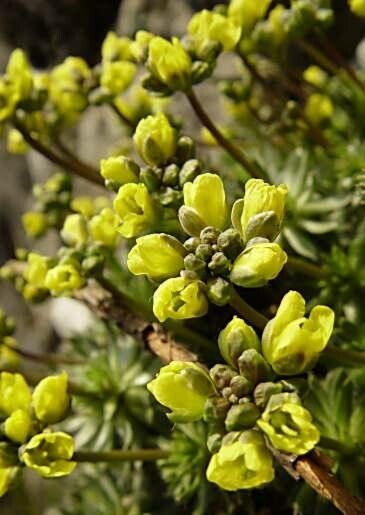
Draba lasiocarpa, also known as the Woolly Draba, is a charming, low-growing alpine plant with soft, woolly leaves and delicate, white flowers. It’s often a favorite among gardeners for its ability to thrive in rock gardens and other challenging conditions. But the true beauty of Draba lasiocarpa lies not just in its appearance, but also in its ease of propagation.
The Magic of Seeds:
The most common and rewarding method for propagating Draba lasiocarpa is through seed. Here’s how to get started:
Harvesting Seeds: After flowering, watch for seed pods to mature and turn brown. Carefully collect these pods and allow them to dry in a paper bag. Once dry, you can gently shake the seeds out, or rub the pods between your fingers to release them.
Sowing Seeds: For best results, sow Draba lasiocarpa seeds in late summer or early fall. Choose a well-drained seed starting mix and fill a seed tray or small pots. Scatter the seeds on the surface of the soil, barely covering them with a light dusting of vermiculite or fine sand.
- Germination: Keep the soil moist and provide a cool environment (around 40-50°F). Germination typically takes several weeks, sometimes even a couple of months. Be patient!
Beyond the Basics:
Once your Draba lasiocarpa seedlings have developed a few true leaves, you can transplant them into individual pots or directly into your garden.
- Location: Choose a well-drained site in full sun or partial shade.
- Planting: Space the plants about 6-12 inches apart.
- Care: Water regularly, especially during dry periods, and fertilize lightly with a balanced fertilizer a few times a year.
Other Propagation Methods:
While seed propagation is the most common, Draba lasiocarpa can also be propagated through cuttings or division.
Cuttings: Take softwood cuttings in early summer. Cuttings should be about 4 inches long, taken from new growth. Remove the lower leaves and dip the cut end in rooting hormone. Plant the cuttings in a moist, well-drained rooting mix, keeping them in a shady location.
- Division: In spring or fall, you can divide mature plants. Carefully dig up the plant and gently separate it into smaller clumps. Make sure each division has healthy roots and foliage. Replant the divisions immediately, spacing them appropriately.
Tips and Tricks:
- When working with Draba lasiocarpa, remember that it’s a slow-growing plant. Be patient and allow it time to establish itself.
- This plant is generally pest-free and disease-resistant. But watch out for slugs and snails, which can sometimes be a problem, especially in humid conditions.
- For a more dramatic effect, consider planting Draba lasiocarpa in a mass planting, where it can form a dense, woolly groundcover.
From seed to division, propagating Draba lasiocarpa is a rewarding experience. So why not give it a try? With a little patience and care, you’ll be rewarded with stunning blooms and a beautiful, low-maintenance addition to your garden.