
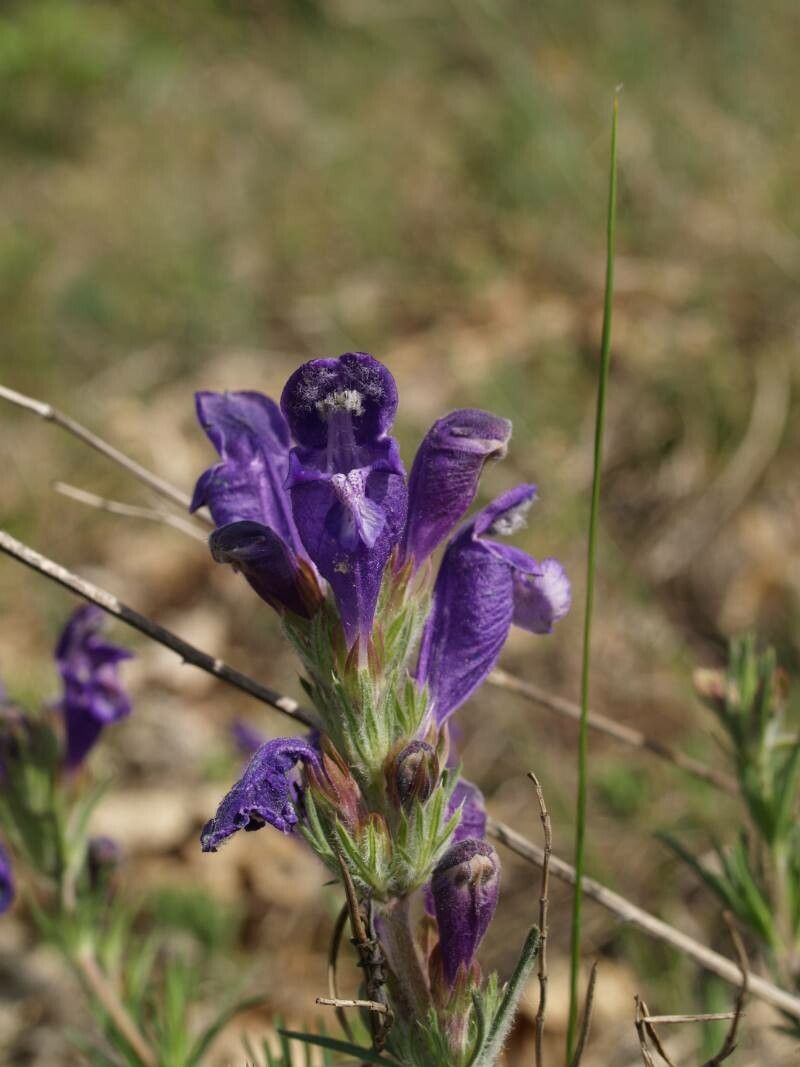
Taming the Dragonhead: Propagating the Striking Dracocephalum Austriacum
Dracocephalum austriacum, with its whimsical name and even more captivating appearance, is a plant that draws in the eye and sparks curiosity. Also known as the Austrian dragonhead, this clump-forming perennial boasts showy, two-lipped, violet-blue flowers resembling a dragon’s gaping jaws (hence the name!). If you’re lucky enough to have one gracing your garden, you’ll be happy to know that propagating this alluring plant is an achievable feat, even for those without a green thumb.
Let’s explore the two main methods of propagating Dracocephalum austriacum:
1. Seed Sowing: A Waiting Game with Rewarding Results
For a truly rewarding experience (and a more budget-friendly approach!), propagating your dragonhead from seed is the way to go. Keep in mind; patience is key with this method.
- Timing is Everything: Sow your seeds in late winter or early spring. This gives them plenty of time to establish themselves before the heat of summer.
- Indoor Sowing: Use a seed starting mix that drains well. Sow the seeds on the surface and lightly press them in, but don’t bury them.
- Light and Warmth: Place the seed tray in a brightly lit, warm location. A heat mat can be beneficial for consistent germination.
- Moisture Matters: Keep the soil consistently moist but not waterlogged. A spray bottle can help avoid disturbing the seeds.
- Transplanting Time: Once the seedlings have developed a couple of sets of true leaves, they’re ready to be transplanted outdoors after the last frost. Choose a spot with well-drained soil and full sun to partial shade.
2. Basal Cuttings: A Quicker Route to New Plants
For a faster and sometimes more reliable method, propagating from basal cuttings is an excellent choice, especially if you want to replicate the characteristics of a specific plant.
- Prime Time for Cuttings: Spring is the ideal time to take basal cuttings, just as new growth begins to emerge.
- Sharp and Clean: Use a clean, sharp knife or pair of shears to take cuttings about 3-4 inches long from the base of the plant. Make sure to include a small heel (a sliver of the main stem) for better success.
- Hormone Help (Optional): Dipping the end of your cuttings in a rooting hormone powder can encourage faster root development.
- Potting Up: Plant your cuttings in small pots filled with a well-draining potting mix.
- Humidity Hub: Create a humid environment for your cuttings by covering the pots with a plastic bag or placing them in a propagator.
- Rooty Results: Keep the soil consistently moist. After about 4-6 weeks, your cuttings should have developed roots. You can gently tug on them to check for resistance. Once rooted, they are ready for transplanting.
A Few More Tips for Success:
- Well-Drained Soil: Dracocephalum austriacum is susceptible to root rot, so ensure your soil drains well. Amending with compost can improve drainage.
- Sunlight is Key: This sun-loving plant thrives in full sun to partial shade. Aim for at least 6 hours of sunlight daily.
- Deadheading Delights: Deadheading spent flowers not only encourages more blooms but also helps prevent self-sowing, which can be somewhat aggressive with this species.
With a little patience and some TLC, you can propagate Dracocephalum austriacum and enjoy its unique charm for years to come. Whether you choose to sow seeds or try your hand at taking cuttings, the reward of seeing these magnificent plants flourish is well worth the effort.