
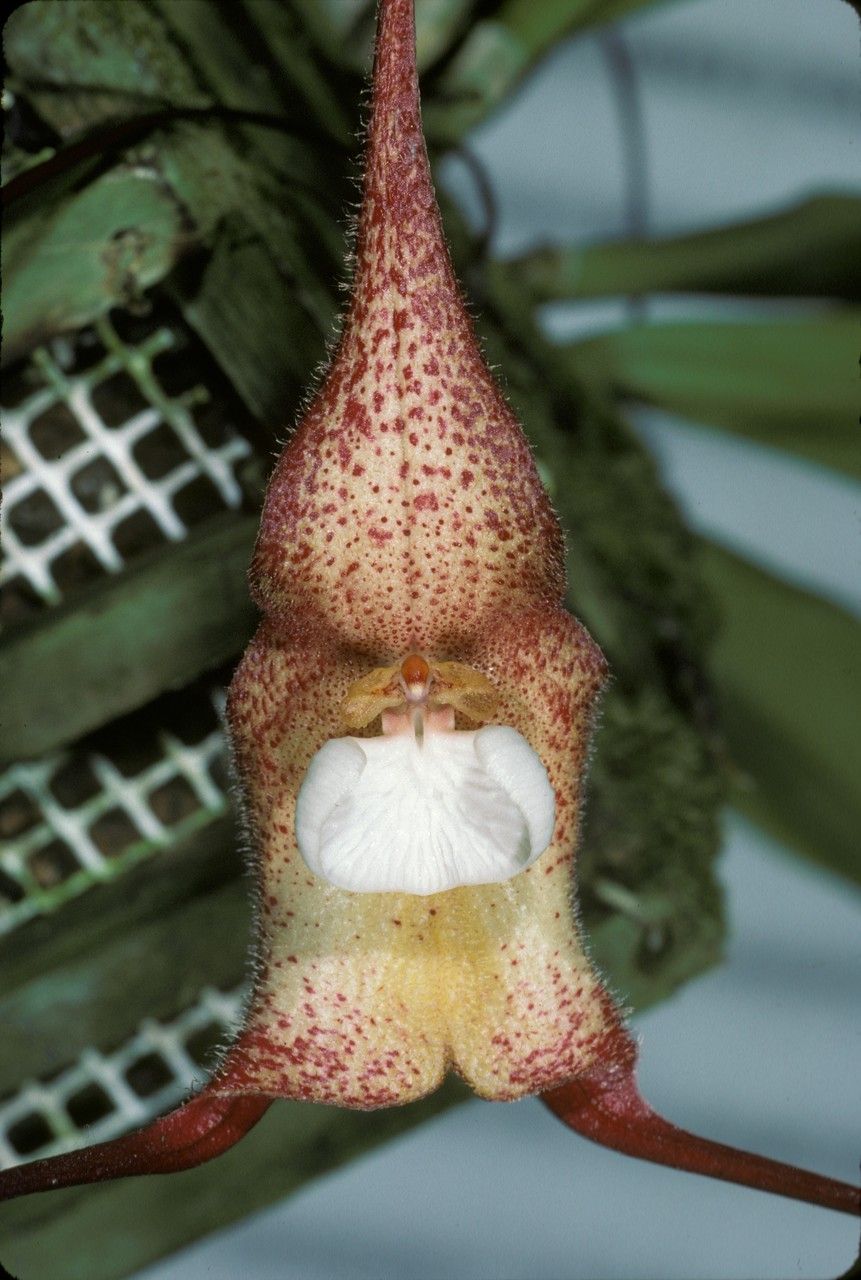
Cultivating Dracula’s Beauty: Propagation Secrets of the Dracula bella Orchid
The Dracula bella, with its captivating, bat-like flowers and enchanting charm, is a true treasure for any orchid enthusiast. But can you imagine the joy of sharing this beauty with others? That’s where propagation comes in.
This blog post will guide you through the fascinating world of Dracula bella propagation, unveiling the secrets to successfully multiplying your collection of these captivating orchids.
Understanding the Essence of Reproduction
Like most orchids, the Dracula bella thrives in the mystical realm of asexual reproduction. This means we’re not talking about seeds and pollination, but rather on the creation of a new plant from a part of an existing one – a process known as vegetative propagation.
The most common method for propagating Dracula bella is through division, a simple yet effective technique. This involves separating the plant into individual pieces containing a healthy root system and a healthy growth point.
Division: A Step-by-Step Guide
Here’s a guide to dividing your Dracula bella orchid successfully:
- Timing is Key: The best time to divide your Dracula bella is during the spring or early summer, when new growth is emerging. This ensures the newly separated plants have the best chance of establishing themselves.
- Gentle Handling: Carefully remove the plant from its pot. Gently tease apart the roots, looking for natural divisions where the rhizomes have separated.
- Identifying Healthy Divisions: Each division should ideally have at least one healthy growth point and a good root system.
- Potting Up: Repot each division in a suitable container, ensuring the rhizome is just slightly covered with the growing medium. Choose a well-draining mix, like a blend of bark, sphagnum moss, and perlite.
Beyond Division: Exploring Other Propagation Methods
While division is the widely practiced method, other options exist, albeit with slightly more complexity:
- Seed propagation: This technique requires expert knowledge, a controlled environment, and patience, as Dracula bella seeds take several years to mature. It’s often left to orchid breeders and enthusiasts with specialized facilities.
- Meristem culture: This lab-based technique involves cultivating plant tissues, allowing for rapid and large-scale propagation. It’s primarily used for commercial purposes, making it less accessible for home growers.
Nurturing New Beginnings
Regardless of your chosen method, the most crucial step is providing the new plants with ideal conditions for thriving.
- Humidity: Dracula bella loves high humidity, so misting the plants regularly is essential, especially during dry periods.
- Light: These orchids prefer bright, filtered light, avoiding direct sunlight.
- Temperature: They flourish in cool to moderately warm conditions, with ideal temperatures ranging from 55°F to 75°F.
- Watering: Maintain consistent moisture in the growing medium, allowing it to dry slightly between watering.
More than Just Reproduction: The Beauty of Propagation
Propagation isn’t just about multiplying orchids. It’s about sharing the joy of growing these enchanting plants with friends, family, or even with the wider community. It’s about contributing to the preservation of orchid species and ensuring their beauty graces our world for generations to come.
So, why not embark on your own Dracula bella propagation journey? The rewards are immense: not only will you increase your own collection but you’ll also experience the deep satisfaction of nurturing new life and sharing the captivating allure of these orchid gems.