
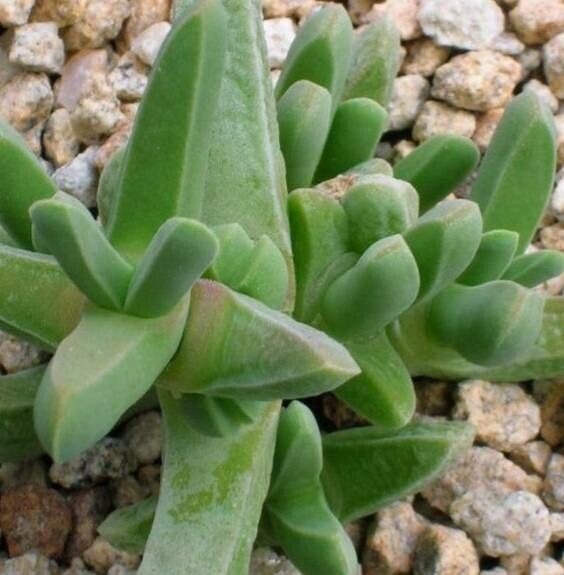
Unlocking the Secrets of Ice Plant Propagation: A Guide to Multiplying Your Drosanthemopsis Vaginata
Drosanthemopsis vaginata, more commonly known as the “Ice Plant” thanks to its glistening, dewdrop-like foliage, is a gardener’s dream. This South African native boasts striking pink blooms that blanket the succulent foliage, creating a dramatic yet charming display. But did you know this beauty is also surprisingly easy to propagate? That’s right! With a few simple techniques, you can multiply your Ice Plant and share its unique charm with fellow plant enthusiasts.
Understanding Your Options: Seed vs. Cuttings
There are two primary ways to propagate Drosanthemopsis vaginata: by seed or by cuttings. Each method has its own pros and cons:
1. Seed Propagation:
- Pros: A budget-friendly option as seeds are readily available and relatively inexpensive. It offers the opportunity to grow a large number of plants, making it ideal for creating a sprawling groundcover.
- Cons: Requires patience as seeds can take several weeks to germinate. The resulting plants may not be identical to the parent plant due to genetic variation.
2. Propagation from Cuttings:
- Pros: A faster method for establishing new plants. It ensures the new plants retain the exact characteristics of the parent plant, including flower color and growth habit.
- Cons: You’ll need a healthy parent plant from which to take cuttings.
Taking the Plunge: Step-by-Step Propagation Guides
Propagating from Seed:
- Timing is Key: Sow seeds indoors in late winter or early spring, 6-8 weeks before the last expected frost.
- Prepare Your Seedbed: Use a well-draining seed starting mix and moisten it lightly.
- Sow with Care: Sprinkle seeds on the surface of the mix and gently press them down. Do not bury them deeply.
- Light and Warmth are Crucial: Place the seed tray in a bright location, but out of direct sunlight. Maintain a temperature of around 70-75°F (21-24°C).
- Patience is a Virtue: Germination can take 2-4 weeks. Keep the soil consistently moist but not waterlogged.
- Transplanting Time: When seedlings are large enough to handle, carefully transplant them into individual pots or outdoors after the danger of frost has passed.
Propagating from Cuttings:
- Choose Wisely: During the spring or summer, select healthy stems from your Ice Plant that are about 3-4 inches (7-10 cm) long.
- Make a Clean Cut: Use a sharp, sterilized knife or pruning shears to cut just below a leaf node.
- Prepare the Cuttings: Remove the lower leaves from the cutting, leaving 2-3 leaves at the top. Allow the cuttings to dry and callous over for a day or two before planting.
- Planting Time: Fill small pots with a well-draining potting mix. Create a small hole in the center and gently insert the cutting, burying the leaf node.
- Create a Humid Environment: Water lightly and cover the pot with a plastic bag or a propagation dome to create a warm, humid environment that encourages rooting.
- Monitor Closely: Place the pot in a bright location out of direct sunlight. Keep the soil consistently moist.
- Rooting Success: After a few weeks, gently tug on the cutting to check for resistance. Resistance indicates successful rooting.
Nurturing Your New Ice Plants
Once your new Drosanthemopsis vaginata plants are established, whether from seed or cuttings, remember to provide them with:
- Plenty of Sunlight: At least 6 hours of direct sunlight for optimal growth and bloom.
- Well-Drained Soil: Avoid overwatering, as Ice Plants are drought-tolerant.
- Occasional Fertilization: A balanced liquid fertilizer diluted to half strength can be applied during the growing season.
With a little patience and care, you can successfully propagate your Drosanthemopsis vaginata and enjoy a cascade of vibrant blooms for years to come. So, why wait? Take advantage of these easy propagation methods and watch your garden become a haven of dazzling color!