
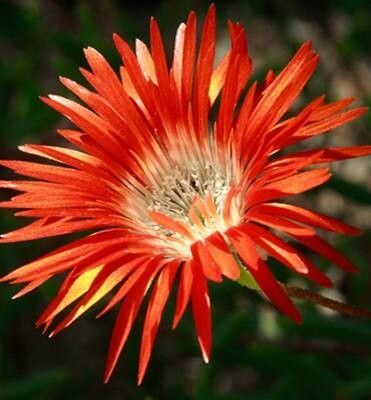
Propagating Drosanthemum hallii: A Gardener’s Guide to the Ice Plant
Introduction:
Drosanthemum hallii, also known as the pink ice plant, is a captivating succulent prized for its vibrant pink flowers and sprawling habit. Its drought tolerance and ease of care contribute to its popularity amongst gardeners seeking low-maintenance, visually striking groundcover. While relatively easy to cultivate, propagation can present some unique challenges, making successful propagation a rewarding experience. The plant’s adaptability makes it suitable for various propagation methods, each with its own advantages and drawbacks.
Seed Germination:
Currently, there are no known reliable methods for seed germination propagation of Drosanthemum hallii. While the plant does produce seeds, germination rates are notoriously low and unpredictable, making this method impractical for most gardeners. Further research into specific germination requirements may yield results in the future, but for now, other methods are recommended.
Cuttings:
Challenges: The primary challenge with propagating Drosanthemum hallii from cuttings lies in preventing rot. The cuttings are susceptible to fungal diseases if not allowed to dry properly before planting.
Practical Tips: Take 4-6 inch cuttings from healthy, non-flowering stems in spring or summer. Allow the cut ends to callous over for 2-3 days before planting in a well-draining succulent potting mix. Avoid overwatering; allow the soil to dry completely between waterings. Rooting hormones can aid in the process. Propagation in a bright, indirect light location will promote healthy root development.
Rewards: Cuttings offer a relatively quick and reliable method for producing genetically identical plants to the parent plant. It’s ideal for maintaining desirable traits and for small-scale propagation.
Division:
Challenges: Drosanthemum hallii doesn’t readily form clumps suitable for division like some other succulents. Dividing established plants can be stressful and may damage the parent plant if not done carefully. Successfully separating the roots without causing significant harm requires patience and a gentle hand.
Practical Tips: Division is best attempted in spring or early autumn after a period of growth. Carefully dig up the established plant and gently separate the roots, ensuring each division has a healthy root system and several stems. Replant the divisions in well-drained soil and provide consistent but not excessive watering until established.
Rewards: Division offers a relatively quick method to increase the number of plants, especially advantageous for larger, well-established specimens. It maintains the genetic characteristics of the parent plant.
Tissue Culture:
Challenges: Tissue culture is a highly specialized method requiring sterile conditions, specific media formulations, and specialized equipment. This method is generally not suitable for home gardeners and is more appropriate for commercial propagation or research purposes.
Practical Tips: Because it requires a controlled environment and specialized expertise, a lab setting is necessary for this method. Expertise in plant tissue culture techniques is crucial to success.
Rewards: Tissue culture offers the potential for mass propagation of Drosanthemum hallii, allowing for large-scale production of disease-free plants. Genetic uniformity is maintained, although genetic modifications are also possible.
Conclusion:
Propagating Drosanthemum hallii presents unique challenges depending on the chosen method. While seed propagation is currently unreliable, cuttings offer a relatively straightforward option for home gardeners seeking a moderately quick increase in plants. Division is feasible for mature specimens but requires care, while tissue culture remains a specialized approach. The rewards, however, are significant. The satisfaction of nurturing a cutting into a thriving plant or successfully dividing an established specimen far outweighs the challenges involved. For aspiring propagators, patience, attention to detail, and the proper use of well-draining soil are paramount. With practice and a bit of persistence, you too can enjoy the beauty of these delightful pink ice plants, cultivated from your own efforts.