
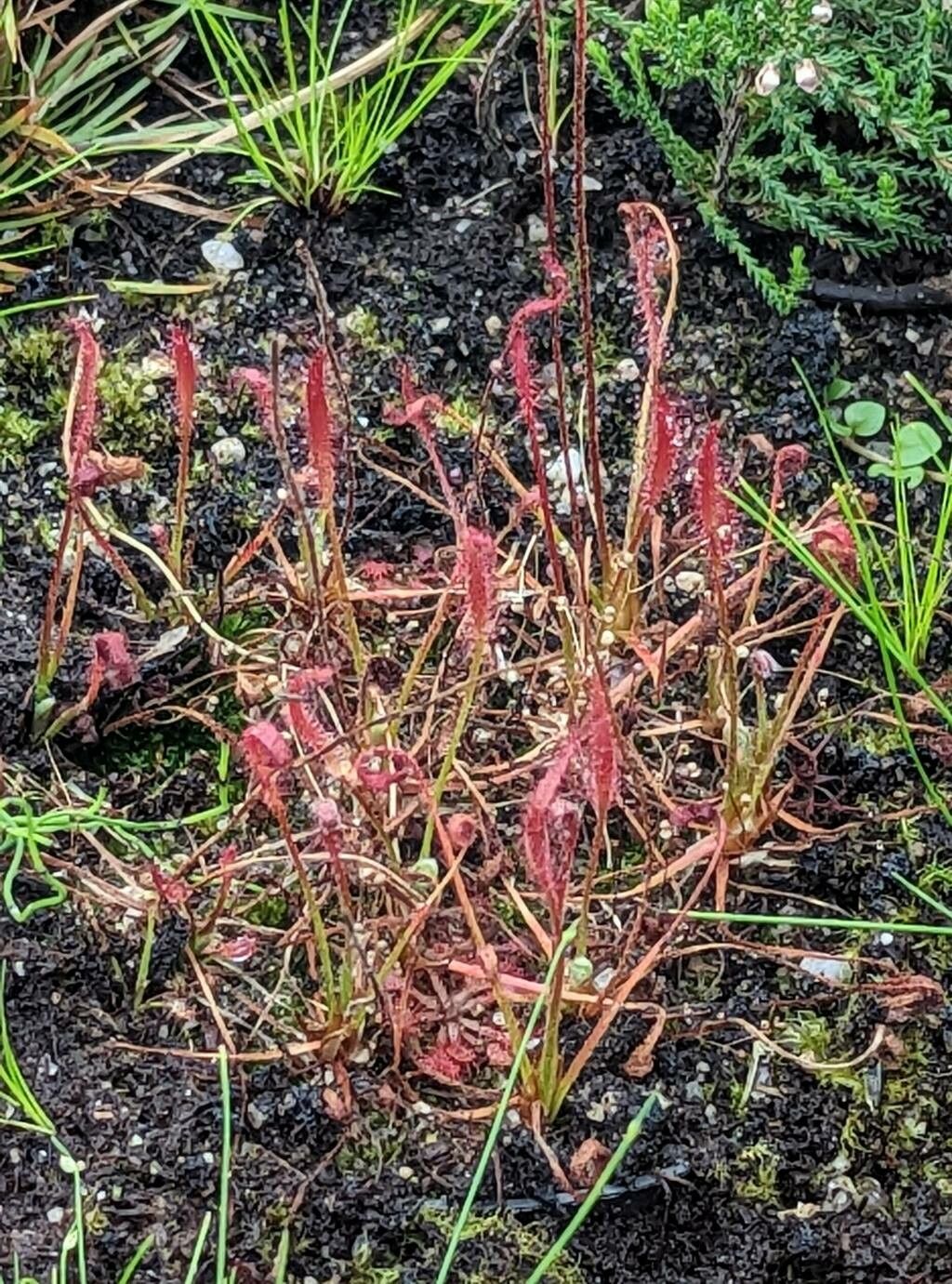
Unleashing the Power of Seeds: A Guide to Propagating Drosera camporupestris
The world of carnivorous plants is captivating, and the sundew, Drosera camporupestris, is no exception. This beautiful species, hailing from the sun-drenched plains of Brazil, boasts vibrant red tentacles and a captivating allure. But like all captivating creatures, it requires a touch of knowledge and care to thrive. Today, we’re diving into the fascinating world of Drosera camporupestris propagation, exploring how to nurture its next generation.
The Seeds of Success:
While Drosera camporupestris can be propagated through leaf cuttings, the most common and successful method involves seeds. These tiny, dust-like seeds are a testament to the plant’s resilience and offer a fantastic opportunity to expand your sundew collection.
Harvesting the Bounty:
First things first: securing those precious seeds. Drosera camporupestris blooms with captivating pink flowers that eventually transform into seed capsules. Once these capsules turn brown and dry, it’s time to harvest! Gently pinch or twist the capsule, releasing the seeds within. Store these tiny treasures in a dry, cool, and dark place until you’re ready to sow.
Preparing the Seedbed:
Creating the perfect environment for your seeds is crucial. A shallow seedling tray or a pot filled with a high-quality seed-starting mix is ideal. This mix should be acidic and well draining, ensuring optimal moisture retention without waterlogging.
Sowing with Precision:
With your seedbed prepared, it’s time to sow those precious seeds. Sprinkle them thinly and evenly across the surface, avoiding overcrowding. Remember, seeds are minuscule, so a gentle hand is essential. A light sprinkling of fine vermiculite or perlite will help prevent the seeds from being washed away during watering.
Germination Essentials:
Now comes the waiting game. Drosera camporupestris seeds prefer bright, indirect light and consistent moisture. Avoid direct sunlight, which can scorch the delicate seedlings. A humidity dome or plastic wrap will help maintain ideal humidity levels.
The ideal germination temperature range sits between 75°F (24°C) and 86°F (30°C), so a warm, sunny windowsill or a propagation mat can significantly aid in the process. Germination can take anywhere from a few weeks to several months, but patience is key!
Nurturing the New Generation:
Once your tiny sundews emerge, they will require careful nurturing. Keep the soil consistently moist, but avoid overwatering. Gradually introduce them to stronger light, ensuring a slow transition to avoid sunburn.
As the seedlings grow, you can gently repot them into individual pots filled with a suitable carnivorous plant mix. Remember, Drosera camporupestris prefers acidic soil with low nutrient content.
Patience is Key:
Drosera camporupestris is a relatively fast-growing sundew, but patience is still essential. It may take several months for them to reach their full potential and start catching their own prey. However, watching these fascinating plants develop from tiny seeds into thriving carnivores is a rewarding journey!
Benefits of Propagation:
Propagating Drosera camporupestris from seeds offers a multitude of benefits. It allows you to:
- Increase your sundew collection: Grow a whole new generation of these captivating plants.
- Share your passion: Gift your friends and family with the intriguing gift of a carnivorous plant.
- Save money: Instead of purchasing plants, you can cultivate your own.
- Experiment with different growing conditions: Observe how different environments affect germination and growth.
In Conclusion:
Propagating Drosera camporupestris from seeds is a rewarding experience for any carnivorous plant enthusiast. With a little knowledge, care, and a touch of patience, you can create a new generation of these captivating wonders, ensuring the beauty and intrigue of this amazing species lives on for years to come.