
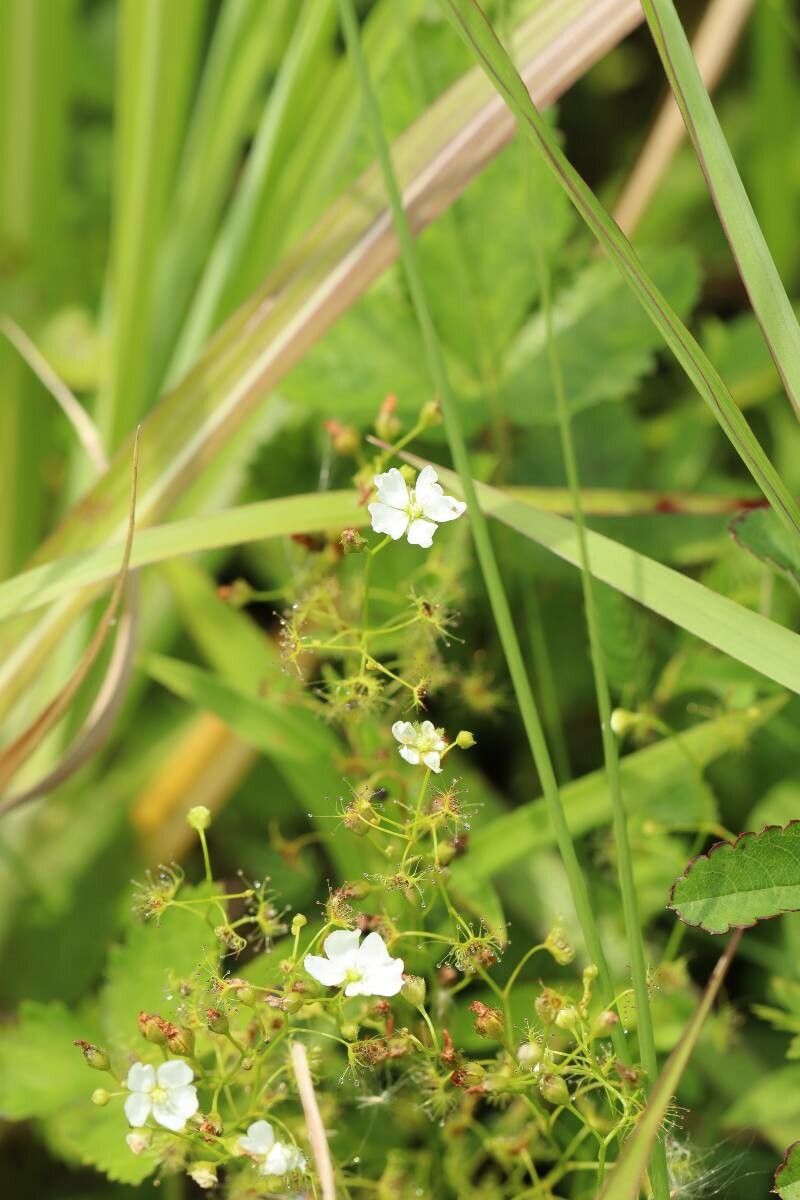
Grow Your Own Sundew Symphony: A Beginner’s Guide to Propagating Drosera lunata
The allure of carnivorous plants is undeniable. They’re fascinating, captivating, and a little bit eerie, thriving on a diet of unsuspecting insects. One of the most striking members of this unique group is the Drosera lunata, commonly known as the Moonlight Sundew. Its delicate, moon-shaped leaves with shimmering, sticky tentacles make it a true beauty, making it a popular choice for plant enthusiasts.
But what if you could share this beauty with others, or even expand your own collection? Propagation is the answer. This is the process of creating new plants from existing ones, and with Drosera lunata, it’s surprisingly achievable for even beginners.
Here’s a breakdown of the most common methods for propagating this stunning sundew:
1. Leaf Cuttings:
This is arguably the easiest and most accessible method for Drosera lunata propagation.
- Preparation: Gently snip a healthy, matured leaf from the plant, ensuring a clean cut. You can use a sharp pair of scissors or a sterile blade.
- Planting: Place the leaf flat on a well-draining, moist sphagnum moss medium. You can place the leaf either on the surface or slightly buried.
- Ambient Conditions: Maintain a high humidity environment (60-80%) and consistent warmth (around 70-80°F).
- Timeframe: Be patient! New plantlets can take several weeks to appear. However, with consistent care, you’ll eventually see tiny seedlings emerging near the base of the cut leaf.
2. Seed Propagation:
While a bit more meticulous, seed propagation offers the thrill of nurturing a new life from scratch.
- Harvesting Seeds: Drosera lunata produces tiny seeds in capsule-like pods located near the base of flowering stalks. Harvest these pods when they turn brown and dry, gently shaking the seeds onto a clean surface.
- Seed Sowing: Sow the seeds thinly on a sterile, moist sphagnum moss medium in a seedling tray or a shallow container. Cover the tray with a clear plastic wrap to maintain humidity.
- Light & Temperature: Provide bright, indirect light and maintain a consistent temperature around 75°F. Keep the medium moist but not waterlogged.
- Germination: Germination can take anywhere from 2 to 8 weeks. Once seedlings appear, remove the plastic wrap and provide consistent care.
3. Division:
For more mature plants, division offers a simple way to expand your Drosera lunata collection.
- Preparation: Carefully remove the plant from its pot and gently separate the larger, healthy clumps, ensuring each division has its own root system.
- Repotting: Pot each division in a well-draining, moist sphagnum moss medium, ensuring proper drainage.
- Post-Care: Keep the divided plants in a humid environment with bright, indirect sunlight. Avoid overwatering and allow the medium to dry slightly between waterings.
Important Considerations:
- Sterilization: To reduce the risk of contamination, always sterilize your tools before propagation. You can do this by wiping them with rubbing alcohol.
- Water Quality: Drosera lunata thrives in soft, acidic water. Rainwater is the ideal choice, but distilled or reverse osmosis water can also be used.
- Patience and Consistency: Propagation requires patience and consistent care. Be mindful of the humidity, light, and temperature conditions needed for optimal growth.
Grow Your Own Sundew Symphony:
With these easy-to-follow steps, you can embark on the exciting journey of propagating your own Drosera lunata. Be patient, follow the instructions diligently, and soon you’ll have a thriving collection of these mesmerizing carnivorous plants. Share your success stories and tips with fellow plant enthusiasts, and be amazed by the captivating world of Drosera lunata!