
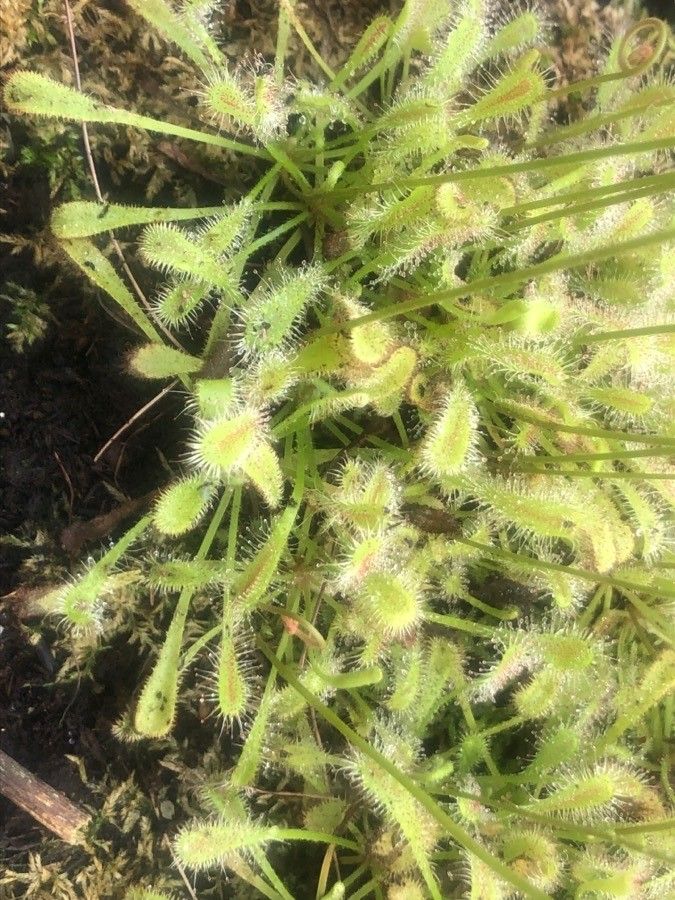
Unlocking the Secrets of Drosera nidiformis Propagation: How to Grow More Sundews
The Drosera nidiformis, with its captivating sundew traps and vibrant foliage, is a popular choice among carnivorous plant enthusiasts. But for many, the desire to expand their collection naturally leads to the question: how do I propagate this unique beauty? Fear not, fellow plant lovers, because this guide will unravel the secrets of Drosera nidiformis propagation, empowering you to nurture new generations of sundews from your existing plants.
The Advantages of Propagation
Propagation offers numerous benefits for Drosera nidiformis owners. Firstly, it allows you to create more of these mesmerizing plants without having to purchase them, saving you money in the long run. Secondly, propagation can lead to more diverse and unique plants, as new individuals can be genetically distinct from their parent. Lastly, propagation can serve as a valuable tool for preserving rare or endangered Drosera nidiformis varieties.
Methods of Propagation
There are two primary methods for propagating Drosera nidiformis:
- Leaf Cuttings: This is the most common and accessible technique, suitable for beginners. Simply cut a healthy leaf from the plant, ensuring the cut is made cleanly and close to the base. Let the cut end dry for a few days. Then, place the leaf on a moist, sterile mixture of peat moss and perlite, and cover it with a clear plastic dome or container for humidity. Keep the medium consistently moist, and within a few weeks, tiny plantlets will emerge from the leaf base.
- Seed Propagation: While a bit more challenging, seed propagation offers the opportunity to witness the full lifecycle of the Drosera nidiformis. Harvesting seeds from your existing plants can be done after pollination, which often occurs through self-pollination. Sow the seeds on the same medium as above, using a sterilized sowing tray. Germination may take a few weeks, requiring consistent moisture and temperatures around 70-75°F.
Tips for Successful Propagation
- Sterilization: To prevent fungal infections, sterilize your tools and growing medium with boiling water or bleach before use.
- Humidity and Light: Maintain a high humidity level for your cuttings and seedlings, and expose them to bright, indirect sunlight.
- Temperature: Keep the growing environment around 70-75°F for optimal growth and germination.
- Feeding: While your Drosera nidiformis is young and growing, provide them with tiny insects, like fruit flies or gnats, to supplement their nutritional needs.
Patience is Key
Remember, plant propagation takes time. Be patient and attentive to the needs of your developing Drosera nidiformis, and you’ll be rewarded with an expanding collection of these fascinating carnivorous plants.
Conclusion
Propagating Drosera nidiformis is a rewarding and fulfilling experience. By understanding the methods and tips outlined here, you can unlock the potential of this fascinating plant, expanding your collection and enjoying the unique beauty of sundews for years to come.