
Propagating the Fiery Scorpion: A Guide to Drosera scorpioides Cultivation
Introduction
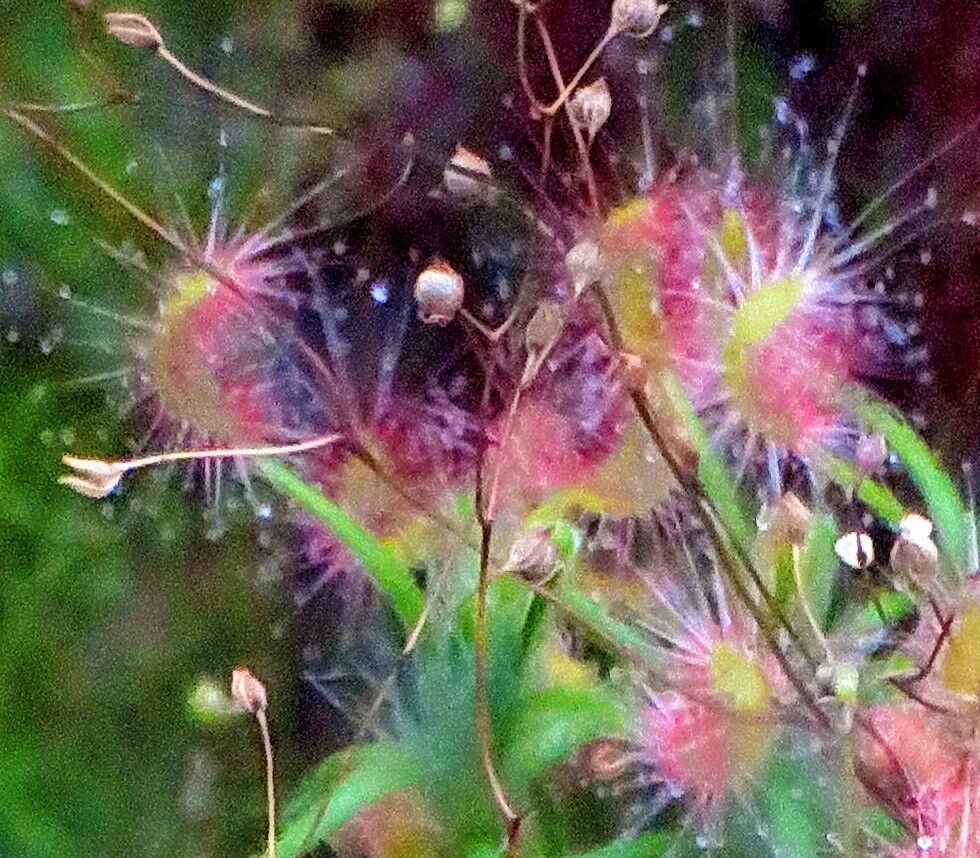
Drosera scorpioides, commonly known as the "Scorpion Sundew," is a captivating carnivorous plant native to Australia. Its petite, reddish-purple leaves, arranged in a characteristic scorpioid cyme (hence the name), are densely covered in glandular tentacles that shimmer in the sunlight. These tentacles lure, trap, and digest unsuspecting insects, supplementing the poor nutrient content of its boggy habitat. Its compact size and vibrant coloration have made it a highly desirable plant among carnivorous plant enthusiasts, however, propagating this species presents some unique challenges.
Seed Germination:
Currently, there are no known reliable methods for seed germination propagation of Drosera scorpioides. While seeds may be produced, their germination rate is notoriously low, possibly due to complex dormancy requirements not yet fully understood by horticulturalists. Further research is needed to determine precise germination conditions, if any exist.
Cuttings:
Propagating Drosera scorpioides via cuttings is also generally considered unreliable. Leaf cuttings, often successful with other Drosera species, rarely produce viable plantlets. Stem cuttings might offer slightly better prospects, but success remains limited. The challenges stem from the plant’s relatively delicate structure and susceptibility to rot in humid conditions often necessary for successful rooting.
Division:
Division is arguably the most successful method for propagating Drosera scorpioides. As the plant matures, it may produce offsets – smaller plants arising from the base of the mother plant. These offsets can be carefully separated during the active growing season (spring or early summer) using a sharp, sterile instrument. Each separated offset should be planted promptly in a suitable moist, acidic substrate, similar to the parent plant’s conditions.
- Challenges: Careful separation is crucial to avoid damaging the delicate roots of both the parent plant and the offsets. The success rate depends heavily on the care taken during the division process.
- Practical Tips: Use a sterile knife or scalpel to minimize the risk of infection. Ensure the separated offsets have a good portion of roots attached. Plant immediately in a well-draining mix of peat moss and perlite.
- Rewards: Division provides a relatively quick way to increase the number of plants and maintains the genetic characteristics of the mother plant.
Tissue Culture:
Tissue culture offers the potential for large-scale propagation of Drosera scorpioides, bypassing many of the challenges associated with other methods. Sterile techniques are crucial to avoid contamination. Establishing aseptic cultures requires specialized equipment and expertise.
- Challenges: Tissue culture necessitates a sterile laboratory environment, specialized media, and a detailed understanding of plant tissue culture techniques. This method is not suitable for the average hobbyist.
- Practical Tips: Specialized labs or experienced tissue culturists will be needed to successfully propagate
Drosera scorpioides using this method. Consult resources dedicated to plant tissue culture for detailed instructions. - Rewards: Tissue culture offers the potential for rapid multiplication and the production of a large number of genetically identical plants, which is valuable for conservation efforts and large-scale production.
Conclusion:
Propagating Drosera scorpioides presents significant challenges to even the most experienced carnivorous plant growers. While division offers the most realistic path for hobbyists, the low success rates of other methods highlight the complexities of cultivating this species. The rewards, however, are undoubtedly worth the effort. Successfully propagating a Scorpion Sundew, whether through division or other advanced techniques, provides a deep sense of accomplishment, a testament to the patience and dedication required for successful carnivorous plant cultivation. For aspiring propagators, start with mastering the art of division and consider seeking guidance from experienced growers within the carnivorous plant community. The unique beauty and challenges associated with Drosera scorpioides make it a rewarding plant to cultivate and preserve.