
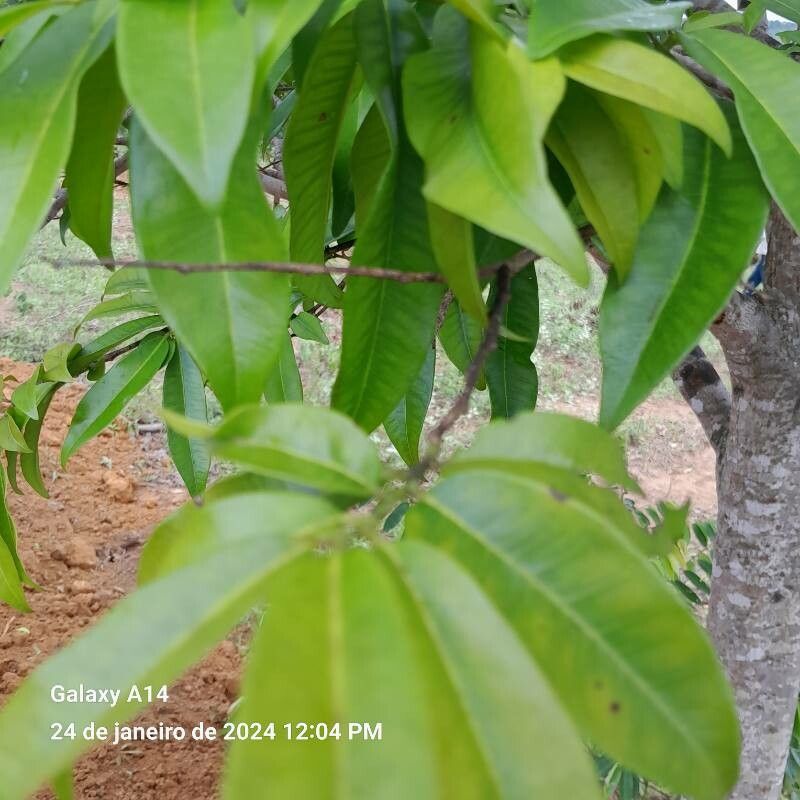
Propagating Dryobalanops oblongifolia: A Challenging but Rewarding Endeavor
Dryobalanops oblongifolia, also known as Kapur, is a majestic rainforest tree species prized for its beautiful timber and ecological importance. Its straight, tall stature and aromatic wood have made it a highly sought-after species, though its propagation presents significant challenges. While not commonly found in home gardens due to its size requirements, its horticultural significance lies in its potential for reforestation efforts and specialized arboreta. The unique difficulty in propagating this species adds to its allure among dedicated plant enthusiasts.
Seed Germination:
Currently, there are no known reliable methods for seed germination propagation of Dryobalanops oblongifolia. The seeds are notoriously recalcitrant, meaning they lack the innate ability to withstand drying and typically lose viability quickly. Furthermore, specific germination requirements for this species remain largely undocumented in the scientific literature, hindering efforts to develop successful germination protocols. Further research is needed to explore potential pre-treatment techniques that might improve germination rates.
Cuttings:
Propagation via cuttings is also unlikely to be successful for Dryobalanops oblongifolia. Its woody nature and the tendency for lignification makes it difficult for cuttings to root successfully. While some hardwood cuttings might be experimented with, the success rate is expected to be extremely low without the application of specialized rooting hormones and sophisticated propagation techniques in a controlled environment.
Division:
Division is not a viable propagation method for Dryobalanops oblongifolia. This species grows as a single, large tree and is not naturally divisible into smaller, independent units capable of establishing themselves.
Tissue Culture:
Tissue culture offers the most promising avenue for propagating Dryobalanops oblongifolia. Though challenging, this method allows for the sterile multiplication of desirable genotypes under controlled conditions. However, establishing a successful tissue culture protocol requires specialized expertise, laboratory facilities, and substantial upfront investment in time and resources. Challenges might include difficulties in obtaining suitable explants, developing appropriate media formulations, and overcoming potential contamination issues during the cultivation process. The rewards are significant though – tissue culture allows for clonal propagation of superior individuals, rapid multiplication, and the potential for large-scale propagation for conservation and reforestation projects.
Conclusion:
Propagating Dryobalanops oblongifolia presents significant challenges across all common methods. While seed germination and cuttings are currently deemed unreliable, tissue culture holds the greatest potential, albeit requiring advanced expertise and resources. The difficulties involved underscore the rareness and value of this stunning species. However, the successful propagation of this magnificent tree, whether through a painstaking tissue culture protocol or a serendipitous seedling germination, offers a deeply satisfying experience, a testament to perseverance and horticultural skill. For aspiring propagators, the journey may be challenging but the reward – contributing to the conservation of this valuable species – makes the endeavor worthwhile. It’s crucial to remember that collaboration and the sharing of knowledge amongst horticulturists and researchers is crucial to furthering our understanding and improving propagation techniques for this remarkable plant.