
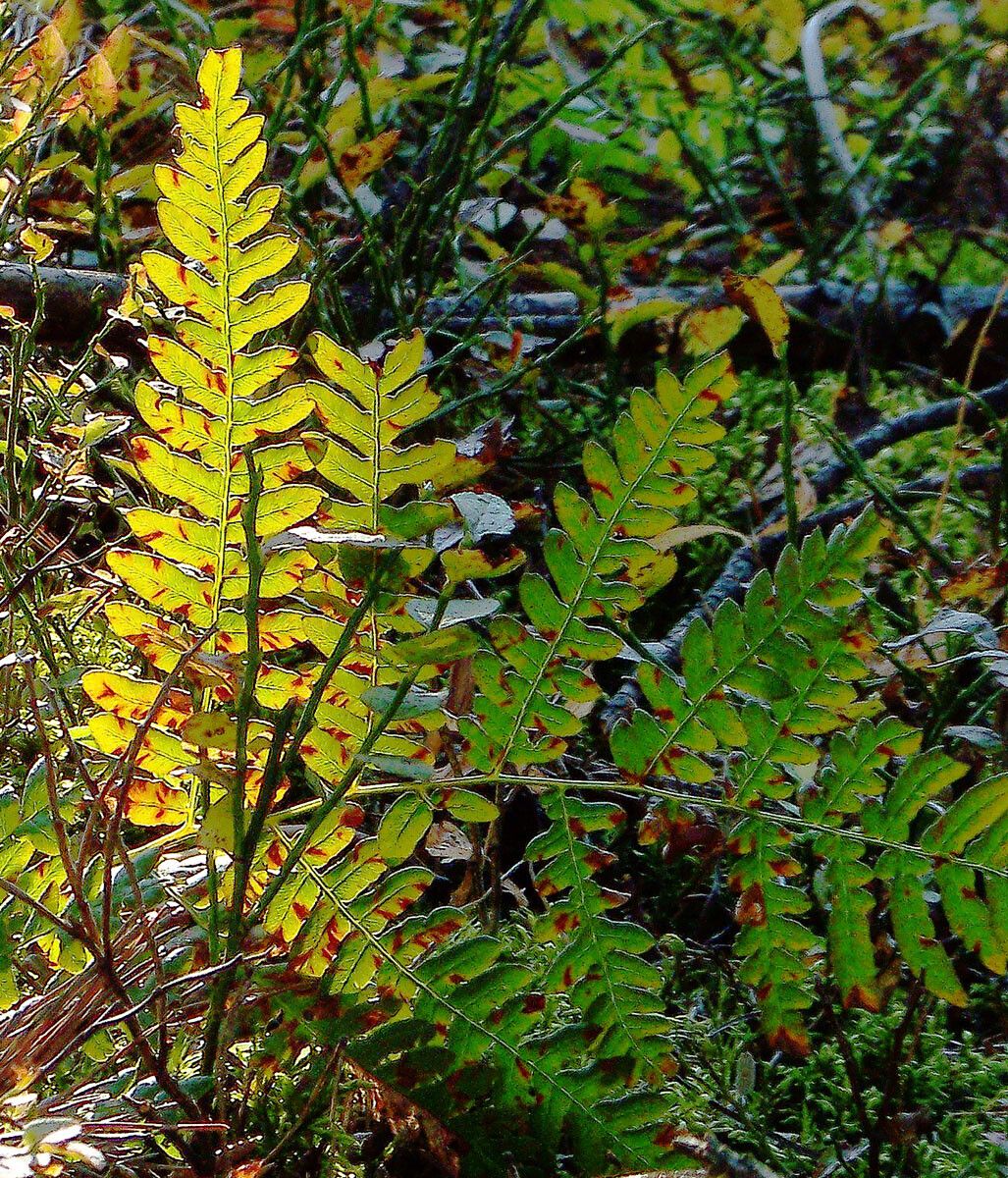
Propagating the Scaly Wood Fern (Dryopteris lepidopoda): A Gardener’s Guide
Introduction:
Dryopteris lepidopoda, commonly known as the Scaly Wood Fern, is a captivating fern prized for its elegant, arching fronds covered in distinctive, silvery scales. Its resilience and adaptability make it a popular choice among gardeners seeking hardy, low-maintenance foliage for shady areas. However, propagating this fern presents unique challenges, making successful cultivation all the more rewarding. While commercially available, propagating from existing plants offers gardeners a chance to expand their collections and potentially experiment with genetic variation.
Seed Germination:
Currently, there are no known reliable methods for seed germination propagation of Dryopteris lepidopoda. The fern’s reproductive strategy relies heavily on spore dispersal rather than seed production and even the spores are notoriously difficult to germinate.
Cuttings:
Currently, there are no known reliable methods for propagating Dryopteris lepidopoda from cuttings. Ferns generally don’t propagate easily from stem or leaf cuttings, unlike many flowering plants.
Division:
Division is the most reliable and commonly practiced method for propagating Dryopteris lepidopoda.
Challenges: The success of division hinges on carefully separating the rhizome (underground stem) into sections, each containing healthy growing points and sufficient roots. Damaging the rhizome can lead to the death of the parent plant and its divisions. The best time for division is during the early spring, when new growth is emerging.
Tips: Dig up the entire fern clump. Gently use your hands and a sharp, clean knife or spade to divide the rhizome into sections, ensuring each section has several fronds and a substantial root system. Replant the divisions immediately into well-prepared, moist, well-draining soil enriched with organic matter, keeping them in a shady location. Water regularly until established.
Rewards: Division offers the simplest and most effective way to increase your stock of Scaly Wood Ferns. This method also preserves the existing genetic makeup of the parent plant.
Tissue Culture:
Tissue culture is a technically advanced method that holds potential for propagating Dryopteris lepidopoda.
Challenges: This technique requires specialized equipment, sterile conditions, and a thorough understanding of plant tissue culture protocols. It’s a time-consuming and labor-intensive process, often requiring expertise beyond the average home gardener. Developing the optimal media and growth conditions for Dryopteris lepidopoda would necessitate significant experimentation.
Tips: If attempted, a professional laboratory setting is recommended. Specific media formulations including appropriate hormones and growth regulators would need to be carefully considered and tested.
Rewards: Tissue culture offers the possibility of rapid multiplication and the production of disease-free plants. It also allows for the propagation of rare or difficult-to-divide cultivars.
Conclusion:
Propagating Dryopteris lepidopoda presents significant challenges, with division being the only realistically achievable method for most gardeners. While seed germination and cuttings are not currently viable, tissue culture offers a potentially powerful but complex alternative for large-scale propagation or specialized applications. However, the rewards of successfully propagating this beautiful fern, from the satisfying division of a healthy rhizome to the thriving growth of your new plants, make the effort worthwhile. The patience and attention required to cultivate this fern, mirroring its own slow, graceful growth, adds a profound sense of accomplishment to the experience. Don’t be discouraged by the difficulties; the unique beauty and resilience of the Scaly Wood Fern makes it a worthwhile endeavor for any enthusiastic gardener.
