
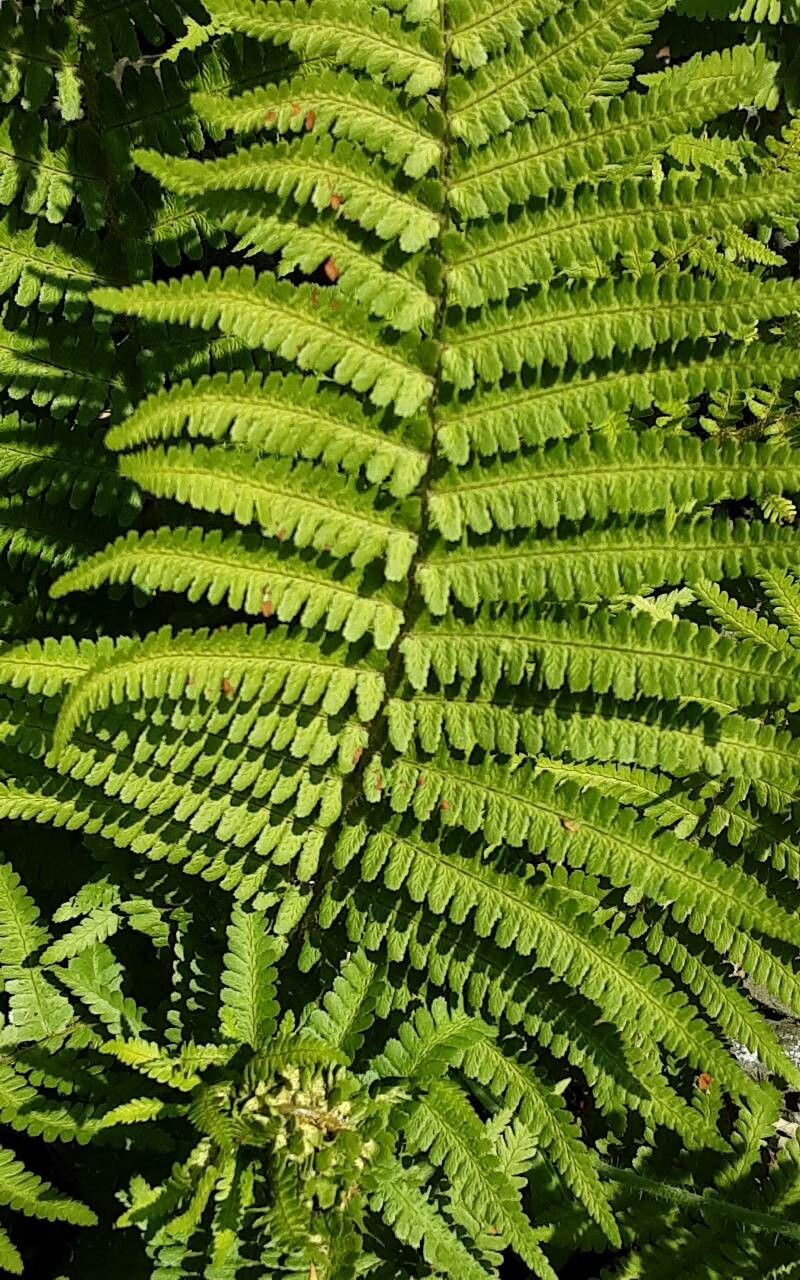
Propagating the Mountain Wood Fern (Dryopteris oreades): A Gardener’s Guide
Introduction:
Dryopteris oreades, commonly known as the Mountain Wood Fern, is a captivating evergreen fern prized for its attractive, leathery, dark green fronds and its tolerance of shade and dry conditions. Its relatively compact growth habit makes it a popular choice for woodland gardens, rock gardens, and shaded borders. While readily available commercially, propagating Dryopteris oreades can be a rewarding experience for the dedicated gardener, offering a unique connection with this resilient plant. However, it presents certain challenges, making success all the more satisfying.
Seed Germination:
Currently, there are no known reliable methods for seed germination propagation of Dryopteris oreades. The spores produced by the fern are notoriously challenging to germinate, requiring very specific and often unpredictable conditions. Even under controlled laboratory settings, success rates are extremely low. Therefore, this method is not recommended for home propagation.
Cuttings:
Currently, there are no known reliable methods for propagating Dryopteris oreades from cuttings. Ferns generally do not propagate easily from stem or frond cuttings.
Division:
This is the most successful and readily available method for propagating Dryopteris oreades.
- Challenges: Division requires a mature, established plant. Care must be taken to avoid damaging the rhizomes (underground stems), which are crucial for the plant’s survival. Dividing too small a section can lead to failure.
- Practical Tips: The best time to divide a Mountain Wood Fern is in early spring or autumn, when the fern is actively growing or just beginning to emerge from dormancy. Carefully dig up the entire plant, gently separating the rhizomes with a sharp, clean knife or spade. Ensure each division has a healthy portion of rhizome with attached fronds. Replant the divisions immediately in well-drained, humus-rich soil, maintaining a similar planting depth to the original plant. Water thoroughly after planting.
- Rewards: Division is relatively straightforward, offering a reliable and quick method to increase the number of plants. It preserves the genetic characteristics of the parent plant, ensuring the offspring are identical.
Tissue Culture:
Tissue culture offers a potential, albeit complex, method for propagating Dryopteris oreades.
- Challenges: Tissue culture requires specialized equipment, a sterile environment, and a detailed understanding of plant tissue culture techniques. It’s a time-consuming and technically demanding process. Finding the optimal growth media and hormonal balance is crucial for success.
- Practical Tips: This method is best left to professionals or experienced hobbyists with access to a laboratory setting. The procedure involves sterilizing explant material (small sections of plant tissue), placing it on growth media, and maintaining sterile conditions to encourage the growth of new plantlets.
- Rewards: Tissue culture allows for large-scale propagation from a single plant, preserving genetic uniformity and producing disease-free plants.
Conclusion:
Propagating Dryopteris oreades presents several challenges, with division being the most practical and reliable method for the home gardener. While seed germination and cuttings are currently unsuitable, tissue culture offers potential but requires specialized equipment and knowledge. The rewards, however, are considerable. The satisfaction of successfully cultivating this beautiful fern, knowing you nurtured it from a small division or even (with significant effort) from tissue culture, is unparalleled. The journey, while demanding, underscores the unique connection between gardener and plant. For aspiring propagators, starting with the division method is strongly recommended as the most accessible route to success. Patience and careful handling are key to thriving with this delightful species.