
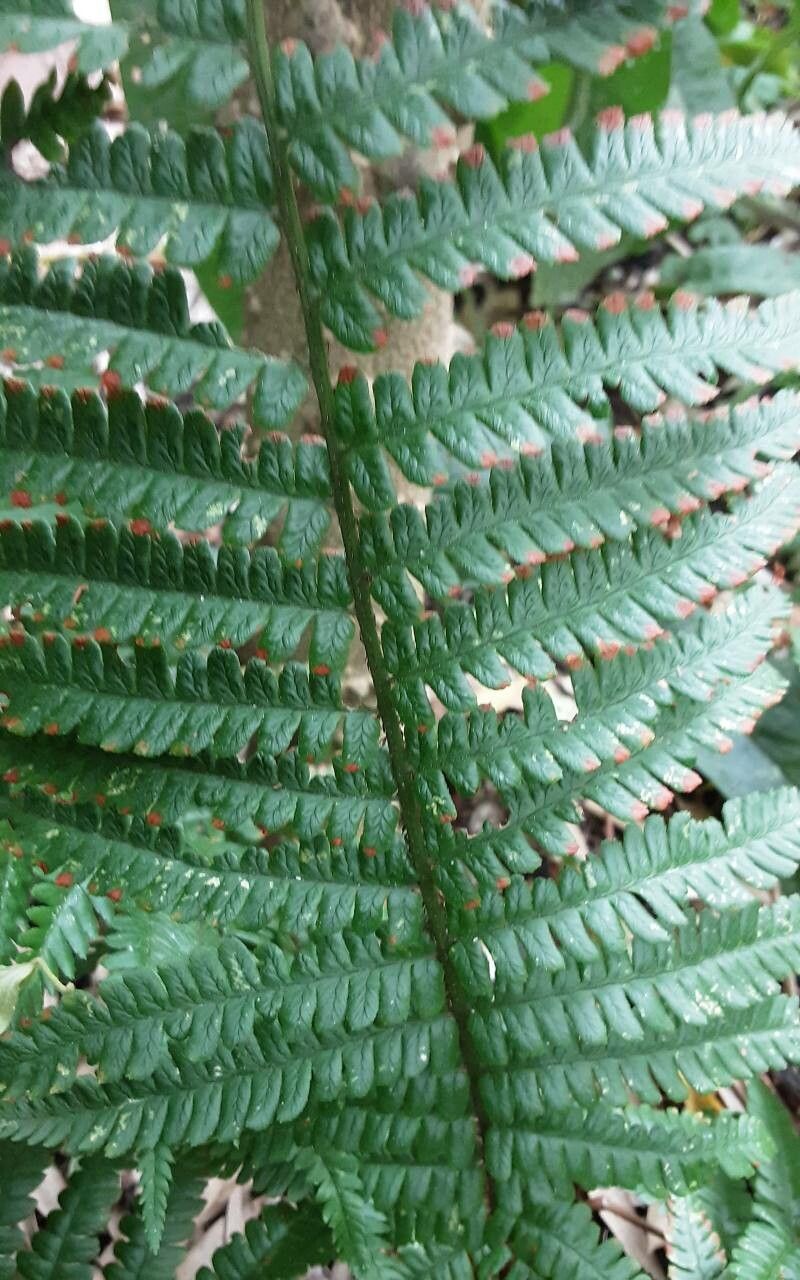
Unveiling the Secrets: Propagating the Scaly Male Fern (Dryopteris squamiseta)
The Scaly Male Fern, scientifically known as Dryopteris squamiseta, is a sight to behold. Its vibrant green fronds bring a touch of prehistoric charm to any shady garden corner. But did you know that this ancient beauty can be multiplied, allowing you to share its elegance far and wide? Let’s delve into the world of Dryopteris squamiseta propagation and unlock the secrets to success.
Understanding the Scaly Male Fern
Before we embark on our propagation journey, it’s essential to understand our subject. Dryopteris squamiseta is a deciduous fern, meaning it loses its fronds in the winter before gracing us with fresh growth in the spring. This fern thrives in moist, well-drained soil and dappled shade, making it an ideal choice for woodland gardens or shaded borders.
Propagation Methods: Spores vs. Division
When it comes to propagating Dryopteris squamiseta, two methods reign supreme:
1. Spore Propagation: The Adventure Route
While considered more challenging, propagating ferns from spores offers a rewarding experience for the patient gardener. Here’s a step-by-step guide:
- Collect Mature Spores: On the underside of mature fronds, you’ll find small, brown structures called sori. These contain the spores. Carefully snip a frond with mature sori and place it in a paper bag to dry.
- Prepare the Spore Bed: Fill a shallow tray with a sterile seed starting mix, moisten it evenly, and gently press down the surface.
- Sow the Spores: Once the frond dries, the sori will release the spores, appearing as a fine dust on the bag’s surface. Sprinkle these spores sparsely over the prepared mix.
- Patience is Key: Cover the tray with a clear lid or plastic wrap to maintain humidity and place it in a warm, bright location, but out of direct sunlight. Germination can take several weeks to months.
- Transplanting Success: Once the fernlets are large enough to handle, transplant them into individual pots filled with a well-draining potting mix.
2. Division: The Foolproof Method
Division offers a more straightforward approach, particularly for established Dryopteris squamiseta plants:
- Timing is Everything: Spring, just as new growth emerges, is the ideal time for division.
- The Gentle Divide: Carefully dig up the entire fern clump and gently tease apart the rhizomes (the underground stems) using your fingers or a sharp, clean knife.
- Replant and Thrive: Replant the divided sections at the same depth they were originally growing, ensuring each division has a healthy set of roots and fronds. Water thoroughly.
Caring for Your New Fern Offspring
Whether you’ve gone the route of spores or division, your new Dryopteris squamiseta plants will thrive with proper care:
- Light and Location: Choose a shaded location that mimics their natural woodland habitat.
- Moisture is Key: Keep the soil consistently moist but not waterlogged. Regular watering, especially during dry periods, is crucial.
- A Nutrient Boost: A light application of slow-release fertilizer in spring can promote healthy growth.
In Conclusion
Propagating Dryopteris squamiseta is a rewarding endeavor that allows you to expand your fern collection and share the beauty of this ancient plant. Whether you choose the meticulous path of spore propagation or the more accessible method of division, following these guidelines will ensure success. So go forth, embrace the joy of fern propagation, and let your garden become a sanctuary of prehistoric elegance.