
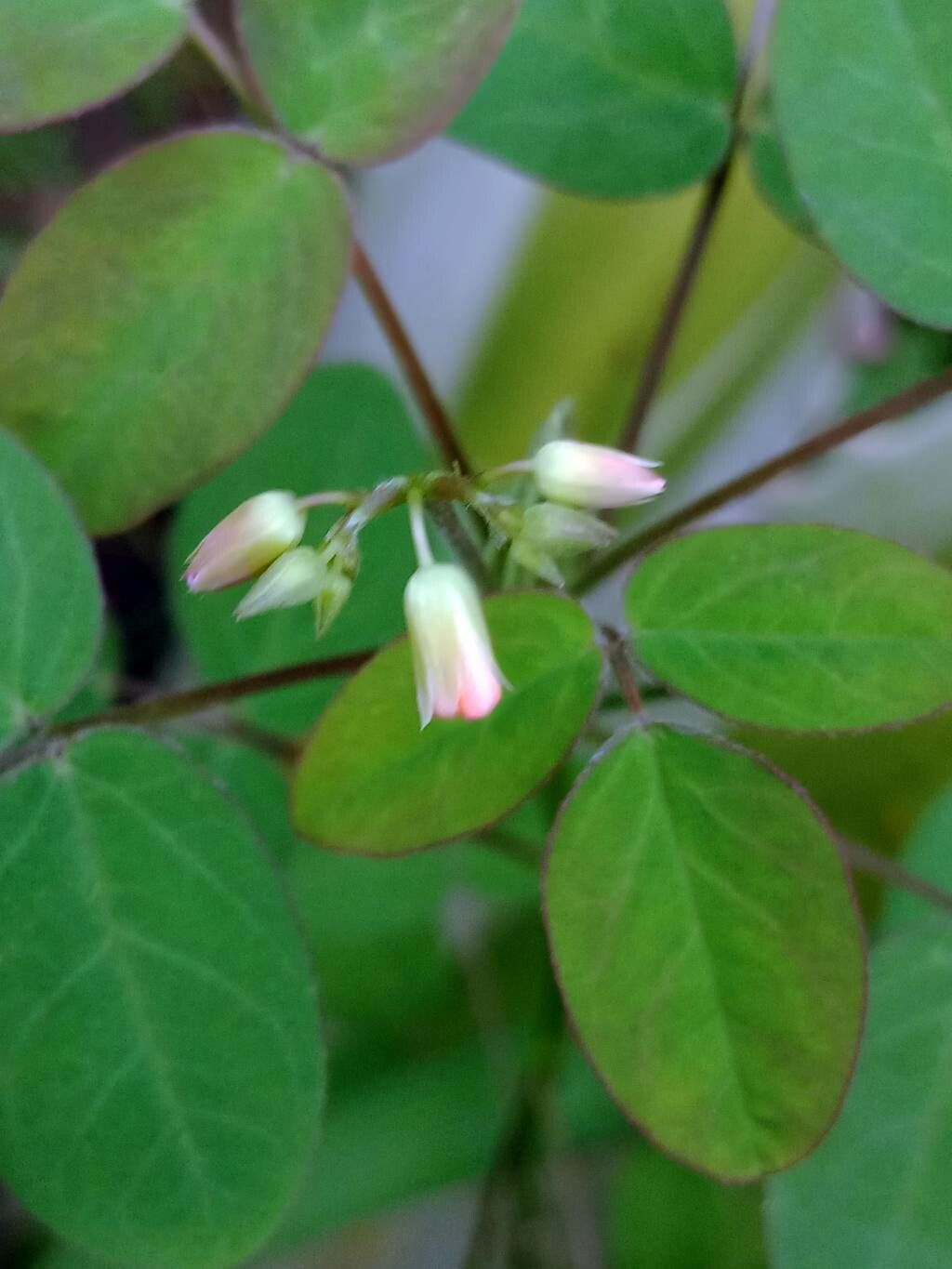
Unlocking the Secrets of Dumasia Truncata Propagation: A Guide to Growing Your Own Miniature Pea Blooms
Dumasia truncata, also known as the “miniature pea,” is a charming climber boasting delicate foliage and vibrant, pea-like blooms. This lesser-known gem, with its subtle beauty and graceful growth habit, deserves a place in any enthusiast’s garden. But how do you go about propagating this delightful plant? While information on Dumasia truncata propagation is scarce, it’s not as challenging as you might think!
This guide will unveil the methods of propagating this intriguing plant, empowering you to grow and share its unique charm.
Two Paths to Propagation: Seeds vs. Cuttings
There are two primary methods of propagating Dumasia truncata:
1. Seed Propagation:
This method is ideal for those who enjoy the satisfaction of watching a plant grow from its very beginning. Here’s how:
- Sourcing Seeds: Dumasia truncata seeds can be challenging to find commercially. If you know someone who grows this plant, ask if they can share some seeds. Alternatively, you can try looking for reputable online seed retailers specializing in rarer plant varieties.
- Sowing Time: Sow seeds in spring, after the danger of frost has passed.
- Sowing Depth: Plant seeds about ¼ inch deep in well-draining seed-starting mix.
- Moisture and Warmth: Keep the soil consistently moist but not waterlogged. Provide bottom heat with a seedling heat mat to encourage germination, as the seeds prefer warmer temperatures (around 70-75°F).
- Germination Time: Be patient! Germination can take anywhere from a few weeks to a couple of months.
- Transplanting: Once seedlings have developed a few sets of true leaves, they can be carefully transplanted into individual pots or directly into the garden.
2. Propagation from Cuttings:
This method offers a quicker route to establishing new plants and is generally more reliable than seed propagation:
- Taking Cuttings: The ideal time for taking cuttings is late spring or early summer when the plant is actively growing. Select healthy, non-flowering stems, approximately 4-6 inches long.
- Preparing the Cuttings: Remove the lower leaves from the stem, leaving a few leaves at the top.
- Rooting Hormone (Optional): While not strictly necessary, dipping the cut end in rooting hormone can enhance root development.
- Planting Medium: Insert the prepared cuttings into a well-draining rooting medium like a mix of perlite and peat moss.
- Moisture and Humidity: Keep the medium consistently moist and create a humid environment by covering the cuttings with a plastic bag or using a propagation dome.
- Root Development: Within a few weeks, the cuttings should start developing roots. Gently tug on the cuttings – resistance indicates root formation.
- Transplanting: Once the cuttings have developed a robust root system, they can be transplanted into individual pots or your garden.
Nurturing Your New Dumasia Truncata Plants
Regardless of the propagation method you choose, remember that Dumasia truncata thrives in:
- Well-draining Soil: Ensure the soil doesn’t become waterlogged.
- Partial Shade: While it enjoys some sun, protect it from harsh, midday sun, especially in warmer climates.
- Regular Watering: Keep the soil consistently moist, but avoid overwatering.
- Support System: As a climber, providing a trellis, fence, or other support structure will encourage vigorous growth and showcase its beautiful cascading habit.
Propagating Dumasia truncata might require a bit of patience, but the reward of seeing these charming miniature pea blooms grace your garden is well worth the effort. So, roll up your sleeves, choose your preferred propagation method, and embark on the journey of growing your own Dumasia truncata, adding a touch of delicate beauty to your green sanctuary!