
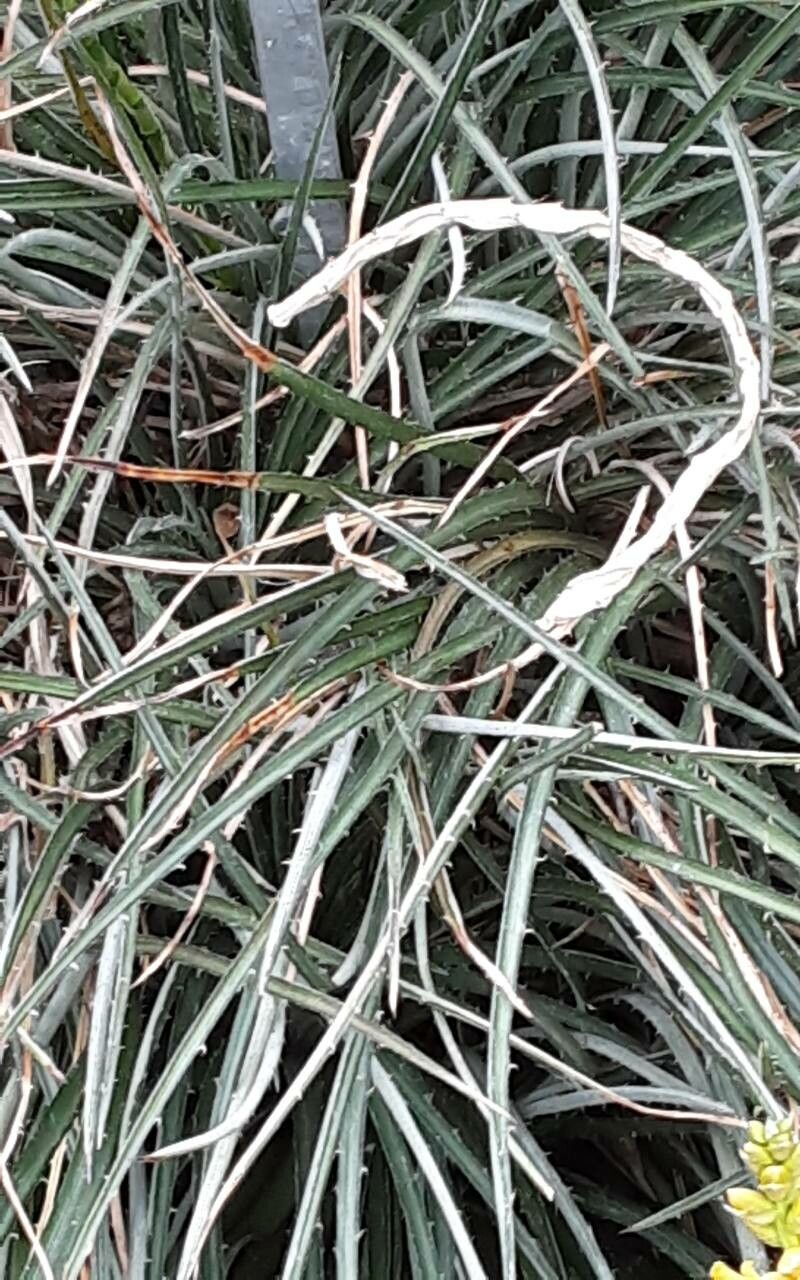
Unlocking the Secrets to Propagating Dyckia choristaminea: A Guide for Bromeliad Enthusiasts
Dyckia choristaminea, with its captivating rosette of spiky leaves and vibrant hues, has become a sought-after gem among succulent and bromeliad aficionados. But what if you could increase your collection of these striking plants without relying solely on purchasing new specimens? That’s where propagation comes in! This guide will walk you through the secrets of successfully reproducing Dyckia choristaminea, allowing you to share the beauty of these captivating plants with others or simply expand your own green haven.
Understanding the Methods
Fortunately, propagating Dyckia choristaminea is relatively straightforward, with two primary methods proving highly effective:
- Leaf Cuttings: This method involves snipping off mature, healthy leaves from the base of the mother plant. These leaves possess the latent potential to develop roots and eventually sprout new plantlets.
- Offsets (Pups): As Dyckia choristaminea matures, it often produces “pups,” or smaller offshoots that arise from the base of the plant. These pups are essentially miniature versions of the mother plant and readily root when separated.
Leaf Cutting Propagation: A Detailed Walkthrough
- Selection and Preparation: Choose mature, healthy leaves from the base of the plant, avoiding any damaged or discolored ones. Using a sharp, sterilized knife or scissors, cut the leaves cleanly at their base, ensuring a smooth, angled cut. Allow the cut ends to dry and callous over for a few days in a shaded and dry location. This will prevent rot during the rooting process.
- Planting Medium and Environment: Choose a well-draining succulent or cactus potting mix. Fill small pots or trays with this mixture, leaving enough space for the leaf bases to rest comfortably. Avoid overwatering, as this can lead to rot. Allow the soil to dry completely between waterings.
- Care and Patience: Place the pots in a bright, indirect location and maintain consistent humidity. Regularly mist the leaves to prevent them from drying out completely. Over time, you’ll observe tiny plantlets emerging from the base of the cutting.
Offset (Pup) Propagation: A Simpler Approach
- Separation: Once the pups have reached a reasonable size (approximately one-third the size of the mother plant), carefully detach them from the parent plant, ensuring you have a clean break.
- Planting: Place the pups directly into individual pots filled with well-draining potting mix, burying them slightly deeper than they were originally.
- Watering and Monitoring: Water the newly planted pups sparingly, allowing the soil to dry completely between waterings. Monitor their growth regularly, providing additional water only when needed.
Key Tips for Success
- Sterilization: It is crucial to sterilize your tools (knife, scissors) before each cutting to prevent the spread of diseases. Alcohol is a simple and convenient method.
- Ventilation: Proper ventilation is vital, especially during the rooting process. Ensure that the area around the cuttings has good air circulation.
- Patience: Remember, propagation requires time. Be patient and observe your cuttings regularly, gradually increasing the amount of light and water as the plant gains strength.
By following these guidelines, you can successfully propagate Dyckia choristaminea and create stunning new plants to enhance your collection or share with others. Enjoy the rewarding experience of growing these captivating bromeliads through propagation!