
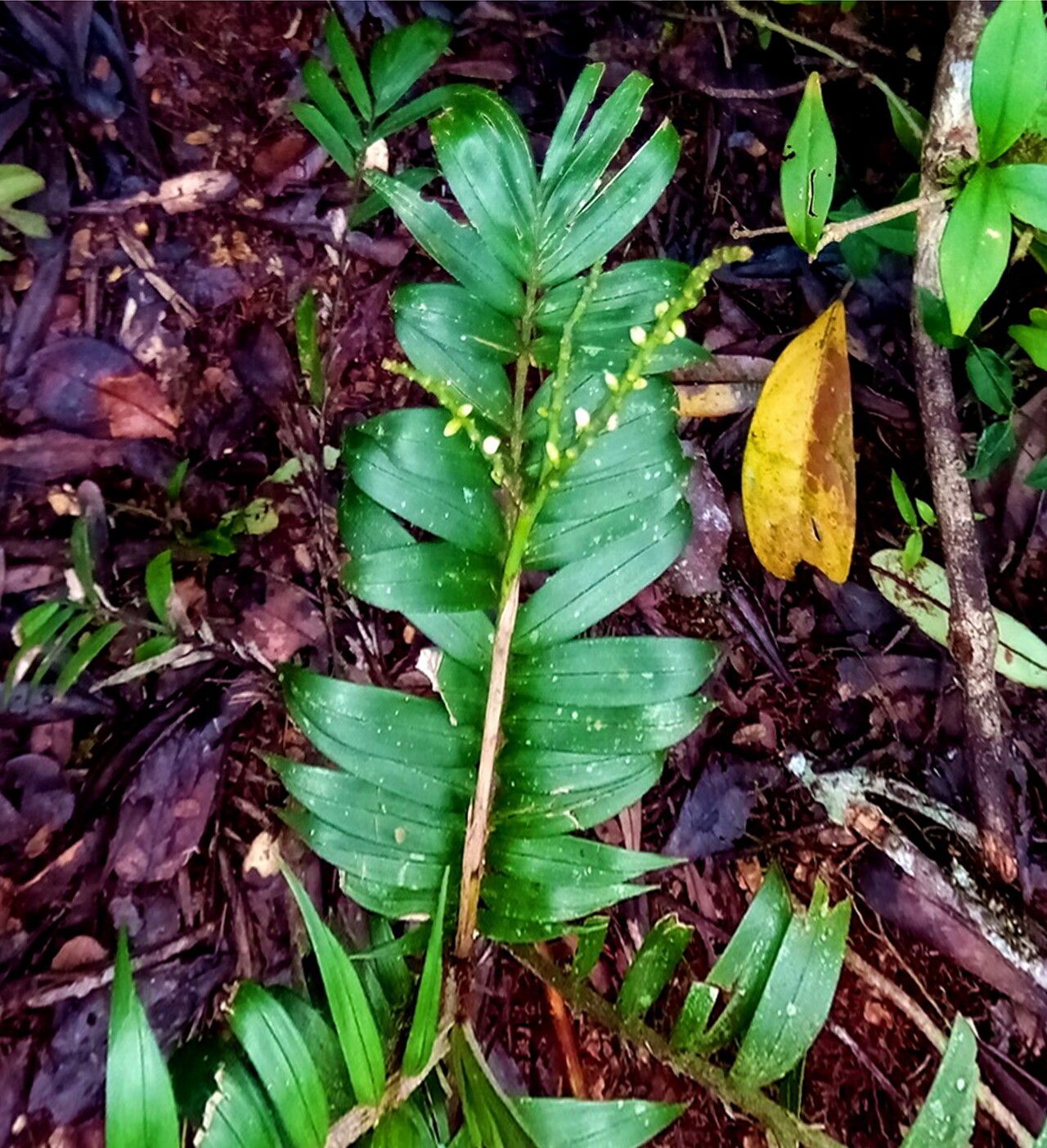
Unleashing the Magic of Dypsis concinna: Mastering the Art of Propagation
Have you fallen in love with the graceful, arching fronds of the Dypsis concinna, also known as the “Areca Palm” or “Golden Cane Palm?” This beautiful, tropical beauty is a popular choice for adding a touch of paradise to homes and gardens. But what if you could easily share its charm by propagating your own plants?
This guide will delve into the exciting world of Dypsis concinna propagation, revealing the secrets to multiplying your collection and sharing the joy of these stunning palms.
The Power of Seeds:
Dypsis concinna can be propagated through both seeds and division. While seed propagation offers the most straightforward route, it’s also the slower option.
To begin your seed-sowing adventure:
- Gather ripe seeds: The small, round seeds are typically found within the fruit, which turns from green to orange-red when ripe.
- Prepare your medium: A well-draining potting mix is ideal. Soak the seeds in warm water for 24 hours before planting for faster germination.
- Sow with care: Sow the seeds about 1/2 inch deep in individual pots or a seed tray. Maintain a consistent temperature of 70-80 degrees Fahrenheit for optimal germination, which can take anywhere from a few weeks to several months.
- Patience is key: Keep the soil consistently moist, and allow sunlight to reach your seedlings.
The Art of Division:
For experienced gardeners, division offers a faster way to propagate Dypsis concinna. This method utilizes established plants that have multiple crowns. Here’s how to proceed:
- Choose the right plant: Select a mature plant that has formed multiple shoots or crowns.
- Prepare for division: Carefully remove the plant from its container or carefully dig it up from the ground.
- Divide carefully: Using a sharp, clean knife or shovel, separate the plant into two or more divisions, ensuring each division has healthy roots and its own crown.
- Repotting is essential: Pot each division in a well-draining potting mix and provide adequate watering. Keep the divided plants in a shaded location for a few days to allow them to settle.
Tips for Success:
- Water wisely: Keep the soil consistently moist, but avoid overwatering.
- Sunlight is key: Provide your Dypsis concinna with bright, indirect sunlight.
- Fertilize regularly: Use a balanced fertilizer during the growing season to encourage healthy growth.
- Monitor for pests and diseases: Be vigilant for potential infestations and address them promptly.
Conclusion:
Propagating your Dypsis concinna is an exciting and rewarding experience that allows you to share the beauty of these palms with others or simply expand your own collection. Whether you choose the meticulous seed-sowing method or the faster division technique, the key is to follow the guidelines, maintain patience, and enjoy the process. With a little care and attention, you can soon be reveling in the lush greenery of multiple Dypsis concinna, adding a tropical touch to your home or garden.