
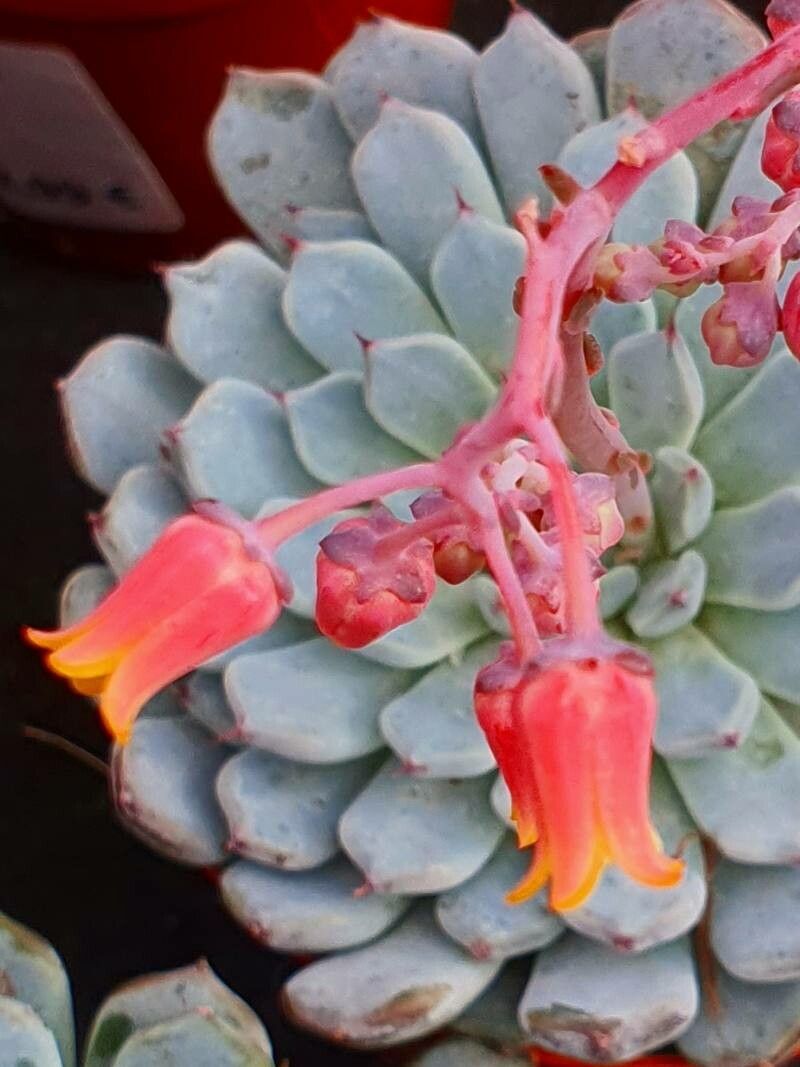
Echeveria Cuspidata: From One Plant to Many! A DIY Guide to Propagation
The Echeveria cuspidata, with its captivating rosette of fleshy, pointed leaves, is a delightful addition to any succulent collection. But what if you could double, triple, or even quadruple your succulent joy? That’s the magic of propagation! This beautiful plant is easily propagated, making it an excellent choice for beginners and experienced succulent lovers alike.
Two Winning Methods: Leaf and Offset Propagation
There are two primary methods for propagating Echeveria cuspidata: leaf propagation and offset propagation. Both are simple and highly effective, offering unique advantages depending on your goals.
1. Leaf Propagation: A Little Patience for Big Rewards
Leaf propagation is a surprisingly easy way to create new Echeveria cuspidata plants from individual leaves. Here’s how:
- Harvest: Carefully select healthy, mature leaves, gently twisting them off at the base. Avoid using damaged or stressed leaves.
- Prepping: Allow the leaves to dry for a few days, allowing the cut ends to callous over. This prevents rot during the rooting process.
- Planting: Place the leaves on top of well-draining succulent potting mix, ensuring that the cut end is in contact with the soil.
- Wait and Watch: Place the pot in a bright, indirect location and keep the soil slightly moist. New plantlets will form within a few weeks, gradually developing roots and miniature rosettes.
- Patience Pays Off: Patience is key! It may take 2-3 months for the newly formed plantlets to be large enough to be potted individually. Once they have developed a good root system and a few leaves, they are ready for their own pots.
2. Offset Propagation: The Quick and Easy Route
Offset propagation, also known as “pup” propagation, is even faster than leaf propagation. Echeveria cuspidata naturally produces offsets (or pups) at the base of the plant. These are small, genetically identical clones of the parent plant.
- Separation: Gently remove the offset from the parent plant by carefully separating it at the base. Make sure the offset has its own roots, which will usually be visible.
- Planting: Pot the offset in a well-draining succulent potting mix, ensuring good drainage.
- Care: Provide bright, indirect light and water when the soil is mostly dry. The offset will rapidly start to grow and develop into a mature plant.
Tips for Success:
- Light is Key: Both leaf and offset propagation prefer abundant indirect light. Place your pots in a sunny south-facing window or under grow lights.
- Proper Soil: Choose a well-draining succulent potting mix. A mix of potting soil, perlite, and pumice will ensure optimal drainage and aeration.
- Watering Wisely: Water only when the soil is completely dry. Overwatering is a common cause of root rot, which can hinder propagation success.
- Protect from Frost: Echeveria cuspidata are sensitive to frost. If you live in a cold climate, bring your propagations indoors during the winter.
Start Your Succulent Journey:
Propagating Echeveria cuspidata is a rewarding experience that allows you to expand your succulent collection with minimal effort. Whether you choose leaf or offset propagation, the process is straightforward and ensures you’ll have a thriving succulent garden in no time. So, get ready to witness the beauty of Echeveria cuspidata in its many iterations, all thanks to the magic of propagation!